Michigan Lifts Lettuce Advisory as Cyclospora Outbreak Shows Signs of Easing
Sandego.net – Residents across Michigan can once again enjoy fresh salads and lettuce without the precautionary restrictions that have been in place for weeks. State health authorities announced Thursday that the widespread advisory to avoid bagged salad mixes is no longer active, marking a significant milestone in what has become one of the most extensive foodborne illness outbreaks in recent memory.
The Michigan Department of Health and Human Services confirmed that both new cyclosporiasis case reports and emergency department visits are trending downward. This positive development allows consumers to return to their normal food handling routines while making personal decisions based on their individual comfort levels with potential exposure.
Tracking the Outbreak’s Progress
Since the outbreak began in June, Michigan has documented 12,485 cases of cyclosporiasis. The toll includes 279 hospitalizations and two fatalities. Health officials noted a clear downward trajectory in diarrhea-related emergency room visits, suggesting the peak of the crisis may have passed.
“New cyclosporiasis case reports and emergency department visits are on the decline,” the Michigan Department of Health and Human Services stated. “The broad, precautionary recommendation to avoid bagged salad mixes during the Cyclospora outbreak is no longer in effect. Residents may resume their usual food handling practices and make choices based on individual risk tolerance.”
Cyclospora is a microscopic parasite that infects the small intestine, causing prolonged episodes of explosive diarrhea that can last for weeks if left untreated. The organism burrows into the intestinal lining, making recovery a gradual process for many affected individuals.
Taylor Farms Recall and Restaurant Response
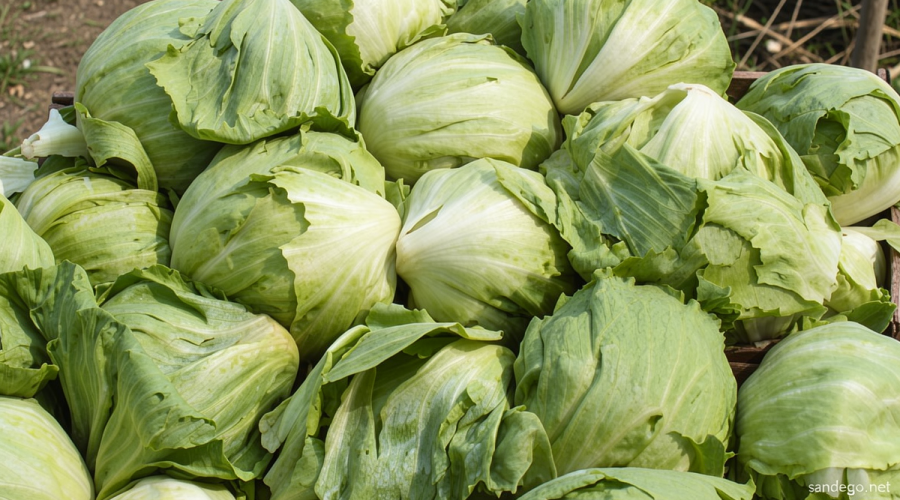
Shredded iceberg lettuce has emerged as a primary suspect in the outbreak. Many ill individuals reported consuming this specific type of lettuce, which is widely distributed to restaurants including Taco Bell by produce manufacturer Taylor Farms. The company initiated a comprehensive recall of all iceberg lettuce grown in central Mexico on July 17, including products packaged in salad kits available at grocery stores.
Taylor Farms de Mexico explained that the recall was conducted “out of an abundance of caution” to protect public health. Taco Bell subsequently removed the affected shredded iceberg lettuce from its restaurants in certain states where the product had been distributed.
Michigan health officials confirmed Thursday that most of the contaminated produce has been removed from circulation. However, consumers are still advised to exercise caution and avoid recalled iceberg lettuce from Taylor Farms de Mexico.
National Scope of the Crisis
The outbreak has now spread across 15 states according to federal health authorities. Six additional states—Arkansas, Iowa, Missouri, Nebraska, New Hampshire, and North Carolina—were recently added to the list after laboratory testing by the Centers for Disease Control and Prevention revealed that illnesses in those regions were likely caused by the same strain of the cyclospora parasite.
Among more than 6,000 cases the CDC has officially tallied, nearly 300 individuals have required hospitalization, and two people have died. Experts emphasize that this update confirms the outbreak’s existing breadth rather than indicating further expansion.
“We are just counting people who were already sick. Now comes the linking to Taylor Farms or other products,” said Bill Marler, a Seattle-based attorney and food safety advocate.
Emergency Response and Undercounting Concerns
The CDC has activated a level 3 emergency response for the outbreak. This designation, representing the lowest tier of emergency response, indicates the agency is actively monitoring and addressing the situation while the risk to the general public remains relatively low. This response level provides the CDC with flexibility to redirect staff resources to support the ongoing investigation.
The cyclospora outbreak has impacted approximately one in every 1,000 people in Michigan and resulted in two deaths. While lettuce remains a leading suspect, health officials acknowledge that not all affected individuals reported consuming lettuce, leaving open the possibility that other contaminated food sources contributed to the illness.
In its most recent update, the CDC identified more than 22,700 cases of domestic cyclosporiasis this season. Of these, 10,468 cases have been confirmed, while over 12,200 additional cases are undergoing further laboratory testing and analysis to determine whether the illness was acquired within the United States.
According to Marler’s calculations, states have collectively reported nearly 25,000 cases of cyclosporiasis this season. Health officials recognize that many individuals experiencing diarrhea may not seek medical attention, meaning the actual number of cases could be substantially higher. The current count represents “a floor and not an estimate,” Marler explained.
Using a multiplier published by the CDC in 2011, the true number of Americans affected by cyclosporiasis this summer could potentially reach as high as one million people.
Regulatory Investigation Continues
The US Food and Drug Administration has examined seven clusters of related cyclosporiasis cases this summer. In five of these outbreaks, the agency has classified the cause as “not identified,” indicating that while lettuce is a strong candidate, investigators have not yet definitively ruled out other potential sources of contamination.
As the investigation continues, consumers are encouraged to remain vigilant about food safety practices and to check for any ongoing recalls before purchasing lettuce and salad products. The situation demonstrates the complexity of modern food distribution systems and the importance of coordinated public health responses when widespread contamination occurs.
Related Reading
Frequently Asked Questions
What is Lettuce is back on the menu?
Lettuce is back on the menu is the main topic of this guide. The article explains the context, practical details, and next steps readers should understand.
Why does Lettuce is back on the menu matter?
Lettuce is back on the menu matters because readers are looking for a useful answer, not just a short summary. Good content should match search intent and help them decide what to do next.