Experimental Ebola Pill Trial Offers Hope in Eastern Congo
Sandego.net – In eastern Congo, where a rapidly spreading Ebola outbreak has become the country’s deadliest, more than 250 people have joined a study examining whether an experimental antiviral pill can prevent infection after exposure to the virus.
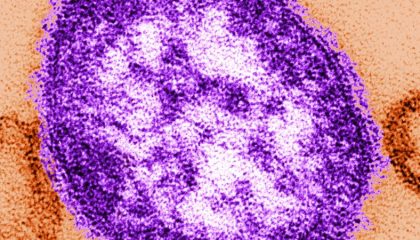
The trial centers on obeldesivir, a drug developed by Gilead that is being tested against the Bundibugyo strain of Ebola. This virus is driving the current outbreak and has no approved vaccine or treatment specifically designed for it. Researchers began the study in July as health authorities and medical teams seek new ways to contain an emergency that has already reached seven provinces.
Since the outbreak was declared in mid-May, Congo has recorded at least 8,300 confirmed cases and 4,000 deaths. Officials say the disease has continued to move faster than efforts to identify exposed people and interrupt transmission.
A preventive treatment after exposure
Obeldesivir is being evaluated as post-exposure prophylaxis, often shortened to PEP. Rather than treating patients who are already ill, the strategy aims to stop the disease from developing in people who may recently have come into contact with Ebola.
Eligible participants are adults and children older than 12 who had contact with a confirmed Ebola case within the previous five days but do not yet have symptoms. The study, coordinated by the medical nonprofit ALIMA, plans to enroll almost 1,000 people. Half of those involved will receive a placebo.
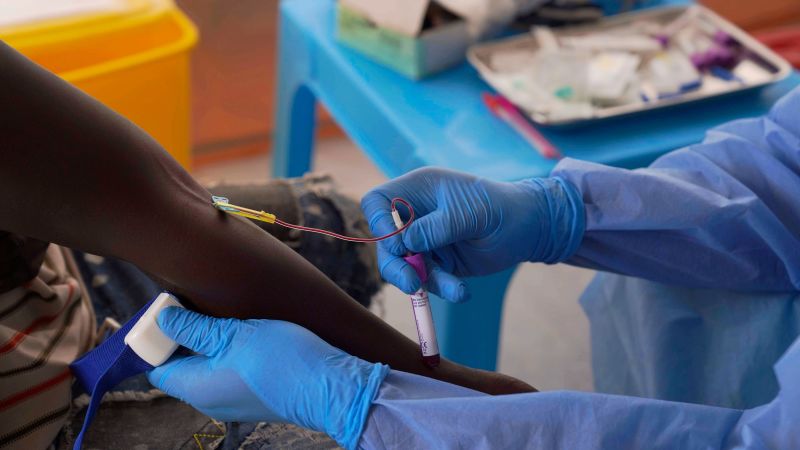
Each participant is checked in person every day for 21 days, which covers the period when symptoms could emerge. A final follow-up phone call takes place after 42 days. Anyone who begins showing signs of illness is to receive supportive care immediately, an approach that can be especially valuable when treatment begins early.
For families confronting a possible exposure, the waiting period can be frightening. Ebola spreads only after symptoms start, but people who have touched or cared for an infected person must still wait to learn whether they will become sick. That uncertainty makes fast identification of close contacts essential, yet contact tracing has been difficult during this outbreak.
Families and health workers among participants
The study is being conducted in Ituri province, the outbreak’s epicenter. Participants include health workers and relatives of patients, people who may have been exposed while providing care or sharing close living space with someone later confirmed to have Ebola.
One participant enrolled in August after her husband tested positive. She requested anonymity, as did other people in the trial, because of the sensitive medical and personal circumstances surrounding Ebola exposure. She said nobody in her family had developed symptoms so far.
“I realized that if I even touched my husband — and I did touch him, his vomit, everything — (it meant that) I was a direct contact. I could have also passed on this contagious disease. I could have been contaminated,”
She had seen how quickly infection could move through a household after one relative became ill. Her experience illustrates why researchers are assessing whether an antiviral tablet could provide protection in the narrow window following suspected exposure.
Another participant said two relatives had contracted Ebola and that one had died.
“This disease is killing. It’s better to take precautions,”
The study’s success will depend not only on the medicine itself, but also on whether teams can reach people promptly after exposure and keep them engaged through the monitoring period. Participants who live far from the health center can be difficult to recruit, said Dr. Jacques Zawadi, an investigating physician working with ALIMA at the trial location.
Grief can create another obstacle. Some participants learn during the study that a family member has died, making it harder for them to return for follow-up visits.
“This is the biggest challenge we face. When a person is emotionally affected, it is not easy to reason with them and ensure they return to the study,”
Why the research matters
If obeldesivir works as hoped, it could help break chains of infection before symptoms appear. That would make it distinct from both vaccination and treatment for established disease.
“It differs from a vaccine, which may take days or weeks to provide protection. It is also different from curative treatment because it is intended for people who are not yet showing symptoms,”
The research coordinator, Dr. Guilavogui Jean Paul Yassa, emphasized that difference because the pill is intended for people at risk who are still well. A medicine that can be offered quickly after suspected contact could add an important tool in an outbreak where delays in finding contacts can allow the virus to spread further.
ALIMA is running the trial with Congo’s National Institute of Biomedical Research and the French institute ANRS Emerging Infectious Diseases. The collaboration combines clinical research with outbreak response in an area facing heavy pressure from the scale and speed of transmission.
Vaccines remain under study for this strain
Congo has also begun vaccinating health workers with Ervebo, a vaccine that proved effective in prior Ebola outbreaks caused by a different and more common virus. Authorities have said it may offer some protection against Bundibugyo, but research is still underway to determine whether it can prevent illness from the strain now circulating.
That uncertainty underlines the importance of the drug study. Bundibugyo virus has left responders without a proven, approved vaccine or treatment tailored to this outbreak. For people with recent exposure, the experimental pill represents a possible additional layer of protection while researchers work to establish whether it is safe and effective.
The outcome will not change the immediate need for rapid detection, contact tracing, patient care and close monitoring. But a successful post-exposure treatment could give health teams a practical way to respond in the crucial days after someone is exposed, potentially reducing illness and limiting the virus’s path through families and communities.
Related Reading
Frequently Asked Questions
What is Inside the study for a remedy?
Inside the study for a remedy is the main topic of this guide. The article explains the context, practical details, and next steps readers should understand.
Why does Inside the study for a remedy matter?
Inside the study for a remedy matters because readers are looking for a useful answer, not just a short summary. Good content should match search intent and help them decide what to do next.