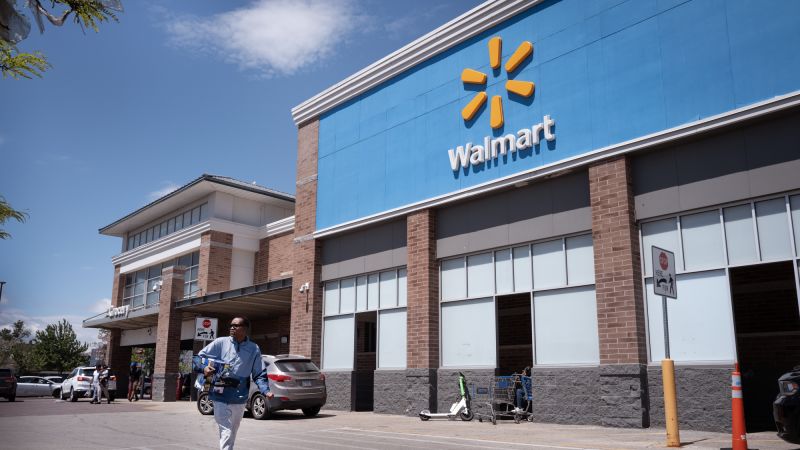
Walmart’s Summer Sale Sparks Trump’s Presidential Claim
Sandego.net – President Donald Trump has seized upon Walmart’s recent summer sale to assert that his administration is the driving force behind the price reductions on barbecue essentials. The move comes as the retail giant announced its seasonal promotions, highlighting markdowns on items like ground beef, ribs, and soda. Trump, however, has tied these discounts to his presidency, claiming they were a direct result of requests from his administration to celebrate the United States’ 250th anniversary. This narrative, while seemingly straightforward, overlooks the fact that such sales are an annual tradition for major retailers.
Seasonal Markdowns: A Regular Occurrence
Walmart’s press release on Monday detailed its summer clearance event, which includes rollbacks on several popular products. Among the items discounted are 73% ground beef, which is now priced at $5.94 per pound—a reduction of nearly 12%—as well as corn on the cob and cherries, both of which saw roughly 50% cuts. Additionally, 24-packs of Pepsi and Coca-Cola beverages are available for $9.97, while 200-count disposable paper plates are discounted by a dollar. Sam’s Club, Walmart’s warehouse division, also participates in the promotions, offering markdowns on 250 items, including various meats like chicken wings and beef hot dogs.
“Walmart lowered prices at my Administration’s request to celebrate our great Country’s 250th birthday,” Trump wrote on Truth Social earlier in the week. He further claimed that the discounts represented a “huge deal” for American consumers, emphasizing that the retailer is a “truly patriotic Company who loves the U.S.A.”
While the markdowns are indeed significant, they align with standard seasonal pricing strategies used by grocery chains. For instance, the soda packs currently on sale were also discounted last summer, as noted by a Walmart location in Texas on its Facebook page. Similarly, the summer sale for corn on the cob and cherries mirrors previous years’ promotions, which are common when these items are in season. This pattern suggests that the price reductions are part of a routine marketing effort rather than a direct policy initiative from the Trump administration.
Trump’s Rhetoric on Grocery Prices
Trump’s assertion that Walmart’s summer sale is a reflection of his economic policies echoes earlier claims he made about Thanksgiving baskets. Last year, he suggested that the lower prices of Walmart’s Thanksgiving meal offerings were due to grocery costs “way down” during his term. However, the context of that claim was often missing. For example, the 2025 Thanksgiving basket included fewer items and relied more heavily on Walmart’s own “Great Value” brand, which is typically less expensive than premium products.
This recurring narrative has become a hallmark of Trump’s approach to economic storytelling. By linking routine retail discounts to his presidency, he positions himself as a key figure in improving consumer affordability, even when the facts may not fully support such a claim. The summer sale, while beneficial for shoppers, is not an anomaly in the grocery industry. Retailers often adjust prices during peak seasons to meet demand, and this practice is consistent with Walmart’s long-standing strategy to attract customers with seasonal deals.
Broader Implications of Grocery Price Inflation
Despite the current markdowns, the overall cost of groceries has been rising. According to the latest data from the U.S. Department of Agriculture, grocery prices have increased by 2.7% over the past year, slightly below the broader inflation rate of 4.2%. However, this figure still shows a substantial jump compared to the previous two years. For example, beef prices reached a record high of $9.64 per pound in April, up 13% from the previous year. This surge is attributed to a combination of factors, including the smallest cattle herd in 75 years due to prolonged droughts and the impact of tariffs on imported goods.
Other produce items have also seen price increases. Tomatoes, for instance, have experienced steep hikes due to a harsh winter that disrupted supply chains and higher diesel costs. While cherries remain relatively stable, with prices on the Fourth of July similar to the prior year, the overall trend for groceries is one of rising expenses. This context is crucial when evaluating Trump’s claims about his administration’s role in lowering costs. The 77% of respondents in a CNN poll conducted by SSRS who cited his policies as increasing the cost of living in their communities underscore the challenge his economic strategies face.
The Role of Seasonal Sales in Consumer Behavior
Seasonal sales like Walmart’s summer clearance are designed to meet the heightened demand for summer activities, such as backyard barbecues and pool parties. These events typically coincide with the peak availability of fresh produce and the typical spike in consumer spending for outdoor events. By offering discounts on items like ground beef and soda, Walmart not only draws customers but also supports its broader strategy of maintaining affordability during key shopping periods.
Nevertheless, the timing of Trump’s public credit for the sale has sparked debate. While the discounts were already in place before his post, the timing allows him to frame the event as a direct response to his policies. This tactic is not unique to Trump; political figures often highlight economic developments to align them with their platforms. However, the specificity of his claims—such as the alleged 15% discount on beef—has drawn scrutiny. Critics argue that such figures may be oversimplified, as they do not account for the broader market forces that influence pricing.
Walmart’s Silence and the White House’s Response
Walmart has yet to comment on Trump’s assertion that his administration influenced the summer sale. This lack of response has left room for speculation, with some analysts questioning whether the retailer is intentionally downplaying the political angle. Meanwhile, CNN has reached out to the White House for additional insight, though no official statement has been released yet.
As the nation grapples with rising living costs, Trump’s claim about Walmart’s sale serves as a reminder of how political figures often interpret economic data to support their narratives. While the price cuts may offer short-term relief to consumers, they do not necessarily counteract the broader trends of inflation that have been affecting households. The 77% of respondents in the SSRS poll who believe Trump’s policies have increased their cost of living highlight a growing skepticism about his economic leadership.
Moreover, the impact of seasonal sales on consumer behavior is often overstated. While these deals can provide immediate savings, they are typically part of a larger pricing strategy that considers factors like supply and demand, production costs, and competitor pricing. For instance, the ground beef rollbacks at Walmart are not isolated incidents but part of a consistent effort to make essential items more affordable during the summer months. This approach is standard in the retail and grocery sectors, which have long used seasonal discounts to drive sales and manage inventory.
A History of Political Claims on Retail Pricing
Trump’s connection of Walmart’s summer sale to his administration follows a pattern of linking retail discounts to his economic policies. In 2025, he similarly claimed that the affordability of Walmart’s Thanksgiving meal basket was a result of his leadership, even though the basket had fewer items and included more Walmart-branded products. This strategy of framing routine business practices as achievements of his presidency has become a recurring theme in his public communications.
While some consumers may benefit from the current markdowns, the broader economic context remains challenging. The rise in grocery prices over the past year, despite the summer discounts, indicates that the administration’s impact on consumer costs is a matter of debate. For example, the 2.7% increase in grocery prices is notable, but it is also a small fraction of the overall inflation rate. This discrepancy highlights the complexity of economic trends and the need for nuanced analysis when evaluating claims about their causes.
As the summer sale continues, Walmart’s role as a major player in the retail sector remains central to the discussion. The company’s ability to influence prices through seasonal promotions is a key part of its business model, and these events are often used to bolster customer loyalty. However, the extent to which these discounts reflect the administration’s policies—or the result of market forces—remains a point of contention. The coming weeks will likely see further debate over the origins of the price cuts and their significance in the broader economic landscape.
Ultimately, the summer sale at Walmart is a strategic move to meet seasonal demand, and while Trump has claimed credit for the event, the facts suggest that it is more of a standard practice than a unique achievement. The grocery industry’s history of seasonal pricing, combined with the current inflationary environment, provides a more comprehensive picture of the factors at play. As consumers benefit from the lower prices, the political narrative surrounding them will continue to shape public perception of economic performance in the Trump era.