FAA Finds Seats on Hundreds of Boeing 737 Jets Incorrectly Installed
Regulatory Action Targets Widespread Aircraft Fleet
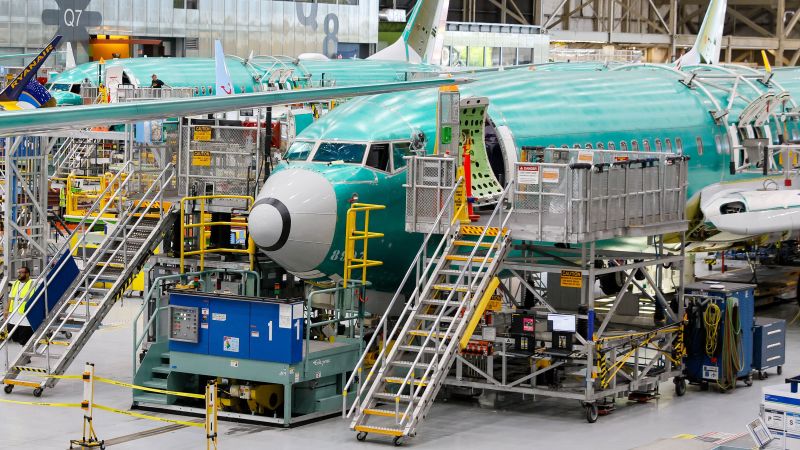
Sandego.net – Seats on hundreds of Boeing 737 MAX aircraft were found to be incorrectly installed, according to a new announcement from the Federal Aviation Administration. The regulatory body revealed on Monday that numerous commercial jets operating within the United States contain seating components that were not properly secured during the installation process. These installation errors must be corrected promptly to ensure passenger safety during all flight operations. If left unaddressed, the improperly seated units could potentially cause injuries to travelers during emergency landings or turbulence events.
The proposed airworthiness directive, published on Monday, covers 453 aircraft that hold United States registration. While the FAA did not explicitly confirm whether international carriers would face identical requirements, such operators typically follow American guidelines when they apply to their operations. This indicates that the problem may extend beyond U.S. borders, though additional clarification from the agency remains pending. Airlines operating these models globally should monitor for any updates to the directive.
Understanding the Technical Installation Problem
In its official proposal, the FAA stated that it received “a report that certain passenger seat assemblies were not correctly installed in the seat tracks.” This technical specification reveals that the seating units failed to achieve proper engagement with their designated mounting pathways within the aircraft cabin structure. Each 737 MAX model can accommodate as many as 69 track-mounted passenger seat assemblies, meaning the scope of the problem could be substantial across the affected fleet. The installation issue affects the mechanical connection between the seat base and the aircraft floor tracks.
“a report that certain passenger seat assemblies were not correctly installed in the seat tracks.”
The agency provided additional technical context regarding the remediation process. Each improperly installed seat assembly would require approximately one work-hour to correct, according to FAA estimates. This timeframe allows airlines to plan maintenance schedules accordingly, though the directive does not specify a strict deadline for completion. Maintenance crews can address the issue during routine service intervals without disrupting normal flight operations.
Operational Impact and Industry Response
The lack of a specified timeline for repairs leaves airlines with considerable flexibility in addressing the issue. Carriers can potentially schedule the corrections during routine maintenance windows or incorporate them into existing overhaul programs. This approach minimizes disruption to flight operations while ensuring that all affected aircraft receive the necessary attention. Passengers traveling on these models should not expect significant schedule changes.
Boeing, the aircraft manufacturer, was contacted for comment regarding the situation but did not provide an immediate response. The company’s silence does not necessarily indicate a problem with its manufacturing or installation procedures, as the directive focuses on the installation process rather than the seat assemblies themselves. Industry experts suggest this type of issue is relatively common in large-scale aircraft production.
Broader Context for Aviation Safety Standards
This incident highlights the ongoing vigilance required in commercial aviation. Even minor installation errors can have significant consequences if left unaddressed. The FAA’s proactive approach demonstrates its commitment to identifying and resolving potential safety issues before they impact passengers. The agency’s willingness to issue a proposed directive allows for industry feedback before finalizing the requirements. This collaborative process ensures that all stakeholders have input on the implementation.
The 737 MAX remains one of the most widely operated commercial aircraft models globally. With thousands of units in service worldwide, ensuring consistent quality across all installations is essential for maintaining passenger confidence and operational reliability. The current situation, while requiring attention, represents a manageable challenge for both Boeing and the airlines operating these aircraft. For more information on aviation safety updates, readers can visit CNN Travel.
Frequently Asked Questions
How many Boeing 737 MAX aircraft are affected by the seat installation issue? The FAA’s proposed directive covers 453 aircraft that hold United States registration. The actual number may be higher when international carriers are included.
What is the estimated time required to fix each incorrectly installed seat? According to FAA estimates, each improperly installed seat assembly requires approximately one work-hour to correct properly.
Will passengers experience any delays or cancellations due to this issue? Airlines have flexibility in scheduling repairs during routine maintenance windows, so significant delays or cancellations are unlikely for most travelers.
Does this issue affect all Boeing 737 MAX models equally? The directive applies to the 737 MAX fleet generally, with each model capable of accommodating up to 69 track-mounted passenger seat assemblies.