Oil Prices Fall as Stocks Rise Amid Hormuz Reopening
Market Volatility and Strategic Shifts
Sandego.net – Oil prices are falling and stocks are rallying, signaling a significant market shift following the resumption of full operations at the Strait of Hormuz. The news of the waterway’s reopening has sparked optimism, with stock indices surging and crude oil prices dropping sharply from their recent highs. However, some traders are questioning whether this surge in equity markets has overreacted to the situation, potentially underestimating lingering geopolitical risks. US crude oil, for instance, closed at $76.60 per barrel on Thursday, marking a weekly decline of nearly 10%, while gasoline prices dipped below $4 a gallon, reflecting a broader easing in energy markets.
Analysts Weigh In on Market Reactions
While the easing of tension around the Strait of Hormuz has been widely celebrated, experts caution that the market may have priced in too much relief. “Traders are incorporating perfect calm into their calculations,” noted David Oxley, chief commodities and climate economist at Capital Economics. “This is a welcome relief compared to the worst-case scenario of the strait being closed.” Yet Oxley warned that the optimism could be short-lived. “However, the market may have moved beyond the actual risks, assuming stability will last indefinitely.”
Energy Sector Dynamics and Investor Behavior
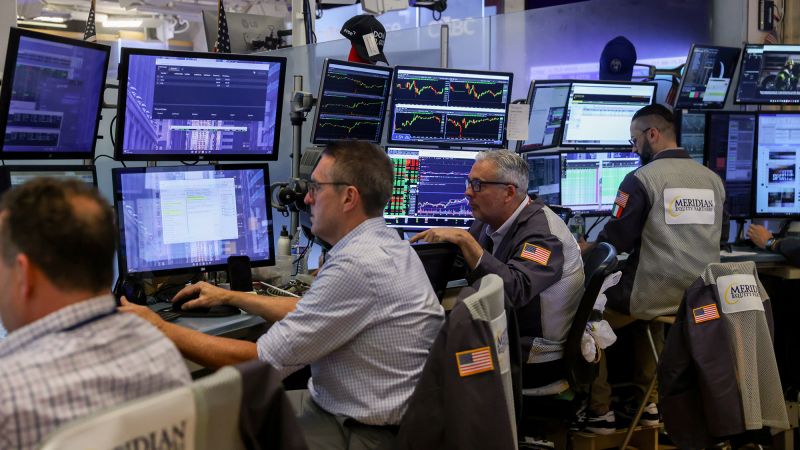
The decline in oil prices has created a favorable environment for stocks, particularly in the energy sector. Investors are capitalizing on the rebound, with equities gaining traction despite ongoing regional uncertainty. This trend has been bolstered by artificial intelligence progress and improved supply chain conditions. However, analysts highlight that the market’s reaction may be overly optimistic. “The current focus is on the immediate relief, but long-term challenges in restoring Gulf production capacity remain unaddressed,” said Adam Turnquist, chief technical strategist at LPL Financial.
“The market’s confidence in the Hormuz agreement is strong, but it’s not accounting for all the variables that could disrupt the trend.” – Adam Turnquist, LPL Financial
Global Energy Supply and Strategic Uncertainty
Although the Strait of Hormuz is critical for transporting 20% of the world’s oil, its reopening has not fully resolved concerns about energy security. The waterway has seen reduced traffic since the conflict began in late February, and while the ceasefire period provides temporary stability, questions remain about its durability. Insurers are still wary of potential mine threats, and logistical hurdles persist. “The market is assuming everything will proceed smoothly, but that’s not guaranteed,” Turnquist added. This assumption could be tested if Tehran modifies traffic fees or if new conflicts arise.
Stock Market Performance and Economic Indicators
Despite Middle East tensions, US stocks have continued their upward trajectory, driven by strong corporate earnings and consumer confidence. The S&P 500 has climbed 9% since the conflict started, with investors focusing on domestic growth rather than international risks. This resilience has allowed portfolios to gain value, even as oil prices fluctuate. However, recent volatility has shown that the market is not immune to external shocks. On Wednesday, stocks dipped after the Federal Reserve hinted at potential rate hikes, reminding traders that the economic outlook remains complex.
Long-Term Outlook and Risk Management
As oil prices continue to decline and stocks remain buoyant, the focus is shifting toward the long-term implications of the Hormuz agreement. Analysts suggest that the market’s current optimism may be a temporary reprieve, with underlying risks such as infrastructure damage and production delays still affecting the energy sector. “The drop in oil prices is a positive for equities, but investors need to remain cautious,” Turnquist emphasized. “Even with the strait reopened, the path to full recovery is uncertain, and markets could reverse course if new challenges emerge.”