Warren Buffett Relinquishes Berkshire Hathaway Chairmanship
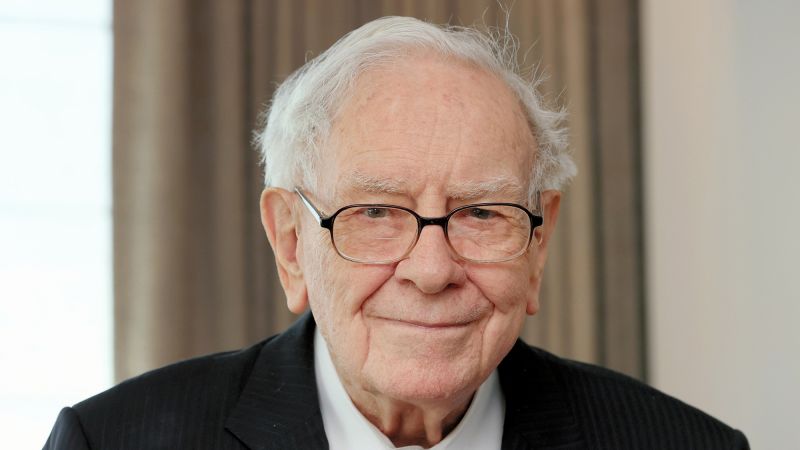
Sandego.net – Warren Buffett is stepping away from another defining role at Berkshire Hathaway, ending his long service as the company’s chairman after more than five decades. The 96-year-old investor left the chief executive position at the close of last year and will now remain involved as Chairman Emeritus and a member of Berkshire’s board.
Howard Buffett, Warren Buffett’s son, will become chairman. Howard Buffett has served on Berkshire Hathaway’s board since 1993, giving him decades of familiarity with the company, its directors and its distinctive long-term approach to ownership.
The transition marks a major moment for Berkshire Hathaway, a business Buffett has shaped since 1970. Over that period, he turned the company into one of the most valuable corporations in the world through a patient investment philosophy centered on buying businesses and shares viewed as undervalued relative to their underlying worth.
A new chapter for Berkshire
Buffett’s departure from the chairman role follows his earlier decision to hand the chief executive job to Greg Abel. In a letter sent to shareholders on Friday, Buffett made clear that Abel’s performance has strengthened his confidence in the company’s future.
He wrote that Abel had gone beyond what he expected, an endorsement that carries particular significance at a company where Buffett’s judgment has long been closely watched by investors. The leadership changes do not remove Buffett entirely from Berkshire’s governance, but they place the day-to-day executive responsibility and board chairmanship in other hands.
For shareholders, the shift creates a clearer picture of Berkshire’s next era. Abel is responsible for leading the company as CEO, while Howard Buffett will oversee the board as chairman. Warren Buffett’s continued position as Chairman Emeritus means his experience will remain available to the organization, even as the formal leadership structure changes.
Buffett reflects on age and succession
In his shareholder letter, Buffett also addressed the personal reality behind his decision. He referred to his great-grandson, who recently turned one, and used the comparison to acknowledge the effects of time with characteristic humor.
“Father Time always wins,” he wrote. “He has, however, been generous with me. He has given me the opportunity to see Berkshire reach a point where I am more confident than ever about what lies ahead.”
Buffett’s comments conveyed both acceptance and optimism. Rather than presenting the move solely as a retirement from responsibility, he framed it as a succession decision made at a time when he believes Berkshire is well positioned for the future.
His confidence in Abel is central to that message. Berkshire Hathaway is not a conventional single-industry company: its holdings span a wide range of businesses and investments. Its leadership therefore requires a long-term view, disciplined capital allocation and the ability to preserve a culture that has been built over generations. Buffett’s statement suggests he believes the transition plan meets those demands.
The legacy of the “Oracle of Omaha”
Known widely as the “Oracle of Omaha,” Buffett became one of the world’s best-known investors by adhering to value investing. The basic principle is to seek assets that appear to be worth more than their market price, then hold them with patience when the fundamentals support the investment case.
That method helped Berkshire Hathaway outperform the broader market by a substantial margin over Buffett’s career. It also transformed Buffett into the world’s 10th-richest person. His fortune stands at $145 billion on Bloomberg’s Billionaire Index.
Buffett’s reputation, however, has extended beyond investing. He is also one of the world’s most prominent philanthropists, having committed large amounts of wealth to charitable purposes. His public image has long combined enormous financial success with an unusually plainspoken style, especially in his shareholder communications and annual meetings.
For many investors, Berkshire Hathaway has been closely identified with Buffett himself. His annual letters became widely read not only for updates on the company, but also for their observations about corporate leadership, markets, business judgment and the importance of patience. The company’s transition therefore represents more than a change in titles; it is the gradual handoff of an institution that has been deeply associated with one individual.
Market reaction remains muted
Berkshire Hathaway’s Class A shares, traded under the symbol BRK.A, showed little movement following the announcement. The restrained response suggests that investors had largely absorbed the broader succession process already underway after Buffett’s exit from the CEO post.
That reaction does not diminish the historic importance of the decision. Buffett held the chairmanship since 1970, a tenure that covered Berkshire’s evolution from a struggling textile business into a vast conglomerate with investments and operating companies across the economy.
The company now moves forward with a leadership arrangement designed to balance continuity and renewal. Howard Buffett’s appointment preserves a direct connection to the company’s history, while Greg Abel’s role as CEO places operational leadership with Buffett’s chosen successor. Warren Buffett, meanwhile, remains on the board as Chairman Emeritus.
For Berkshire Hathaway, the change is a reminder that even the most enduring corporate leaders eventually prepare for succession. Buffett’s message to shareholders emphasizes that he is stepping back with confidence in the people taking responsibility for the company’s next chapter.
Related Reading
Frequently Asked Questions
What is Warren Buffett steps down as chairman?
Warren Buffett steps down as chairman is the main topic of this guide. The article explains the context, practical details, and next steps readers should understand.
Why does Warren Buffett steps down as chairman matter?
Warren Buffett steps down as chairman matters because readers are looking for a useful answer, not just a short summary. Good content should match search intent and help them decide what to do next.