Anthropic Halts Access to Mythos Model Amid US Government Ban on Foreign Nationals’ Use
Sandego.net – On Friday evening, AI firm Anthropic announced it had disabled access to its top-tier models, including the Mythos 5 and Fable 5 systems, following a directive from the US government to restrict their use by foreign nationals. This decision marks another significant step in the Trump administration’s ongoing efforts to regulate advanced AI technologies, with the ban targeting the company’s most capable systems. The move has sparked debates about the balance between innovation and national security, as Anthropic argues the restrictions are overly broad.
Government Directive and National Security Concerns
The US government’s order to suspend access to Mythos and Fable 5 models is part of a broader strategy to limit the potential risks posed by AI systems. Anthropic stated in its statement that the directive was based on “national security” concerns, though it emphasized the lack of specific details provided by the administration. The company believes the government has identified a method to “jailbreak” Fable 5, enabling users to bypass its internal safeguards. This technique, according to Anthropic, highlights the model’s ability to be manipulated, but the company argues that similar vulnerabilities are common in publicly available AI systems.
“We reviewed a demonstration of this specific technique being used to identify a small number of previously known, minor vulnerabilities,” Anthropic said in its statement. “These vulnerabilities all appear relatively simple, and we have found that other publicly-available models are able to discover them as well without requiring a bypass.”
The ban is not without controversy. Anthropic noted that while it is complying with the directive to remove access for all users, including its own foreign national employees, the company disputes the reasoning. “We disagree that the finding of a narrow potential jailbreak should be cause for recalling a commercial model deployed to hundreds of millions of people,” the statement added. This sentiment underscores concerns that the decision could set a precedent for halting future AI model releases across the industry, as the company warned that such restrictions might stifle innovation.
Impact on Foreign Nationals and Industry Reactions
The restriction means that many foreign nationals working for Anthropic will no longer have access to the models, potentially disrupting the company’s operations. The Commerce Department, which issued the directive, declined to comment when asked about the specifics of the ban. However, Axios reported that the government’s order requires Anthropic to secure licenses for the export, re-export, or domestic transfer of those models, adding a layer of bureaucratic complexity to their use.
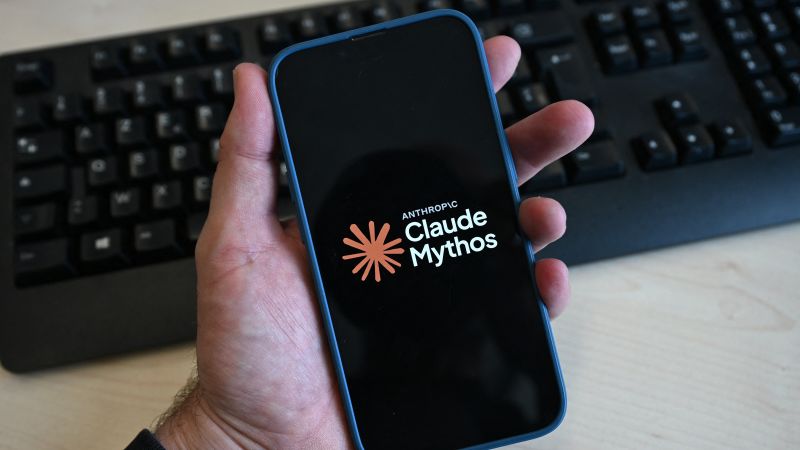
Mythos, Anthropic’s newest model, has already drawn attention for its advanced capabilities. Experts suggest that its ability to exploit cybersecurity vulnerabilities is unprecedented, which has raised alarms among both the government and financial markets. Initially, the model was released to a select group of partners to “secure the world’s most critical software,” reflecting its perceived importance in safeguarding digital infrastructure. Fable 5, a more accessible version, was later introduced to allow broader public use, yet the government’s actions suggest it remains wary of the model’s potential.
Context of the Executive Order and Anthropic’s Role
The directive aligns with the Trump administration’s recent executive order on AI, which mandates that companies voluntarily share new models with the government before releasing them to other partners. This requirement aims to ensure transparency and allow regulators to assess potential risks. Anthropic’s involvement in drafting the order highlights its influence on national AI policy, though the company’s current predicament shows the government’s cautious approach.
Despite the administration’s initial designation of Anthropic as a “supply chain risk” in military dealings, the relationship between the company and the US government has been complex. Earlier this year, the Trump administration blacklisted Anthropic over its push to include safety guardrails in Pentagon AI systems. The company challenged the decision, calling it “unprecedented and unlawful,” and achieved at least one early legal victory. Yet, even as the government imposed restrictions, some federal agencies continued to engage with Anthropic’s models, particularly after the release of Mythos.
Anthropic’s executives had been invited to the White House for a signing ceremony of the executive order, but the event was ultimately canceled at the last minute. This gesture of collaboration, despite the ban, suggests that the administration still values the company’s contributions to AI development. However, the current directive indicates a shift toward stricter oversight, with the goal of limiting foreign influence over critical technologies.
Industry Implications and Future Outlook
Anthropic’s suspension of access has raised questions about the long-term effects on the AI industry. The company’s statement argues that the narrow jailbreak technique identified in Fable 5 does not justify a complete halt to its deployment. “If this standard was applied across the industry, we believe it would essentially halt all new model deployments for all frontier model providers,” it warned. This concern reflects the broader challenge of balancing security with the rapid advancement of AI capabilities.
While the government’s actions are aimed at mitigating risks, Anthropic’s experience highlights the evolving nature of AI regulation. The company has implemented additional safeguards to reduce the likelihood of misuse, though it acknowledges that some users find these measures too stringent. The complaint from users about strict guardrails adds another dimension to the debate, as it shows the tension between safety and accessibility in AI development.
Industry analysts note that the ban could have ripple effects beyond Anthropic. With models like Mythos and Fable 5 demonstrating extraordinary capabilities, the US government’s focus on national security may lead to increased scrutiny of other AI providers. The directive also signals a growing emphasis on controlling the flow of advanced technologies, particularly those that can be exploited for cybersecurity purposes. As the Trump administration continues to shape AI policy, companies like Anthropic face the challenge of adapting to a regulatory landscape that prioritizes security over speed of innovation.
Looking ahead, the situation may evolve as the government refines its approach to AI oversight. Anthropic’s legal battle over its designation as a supply chain risk could provide insight into how such restrictions might be challenged or adjusted. Meanwhile, the company’s decision to disable access to its models while maintaining its core operations demonstrates a strategic effort to navigate the political and regulatory pressures it faces.
Historical Context and Ongoing Challenges
The current directive builds on a history of tension between Anthropic and the US government. The Trump administration’s initial actions, such as the blacklist, were rooted in concerns about the company’s safety protocols in military applications. However, Anthropic’s role in shaping the latest executive order shows its ability to influence policy despite these challenges. The cancellation of the signing ceremony at the White House, though symbolic, underscores the political dynamics at play in AI governance.
As the ban takes effect, Anthropic will need to assess its impact on both its workforce and business operations. Foreign nationals, who have contributed significantly to the company’s research and development, may now require special permits or licenses to access the models. This could slow down the pace of innovation, particularly in areas where international collaboration is crucial. Yet, the company remains committed to its mission, stating that its models are essential tools for addressing global challenges.
The broader implications of the government’s actions remain a topic of discussion. While the ban targets foreign access, it also reflects a growing recognition of the need to secure AI systems against potential threats. As the technology continues to evolve, the US government’s approach may serve as a model for other nations seeking to regulate AI in their own jurisdictions. For Anthropic, the challenge is to prove that its models can be trusted, even as it faces scrutiny from policymakers and competitors alike.