
Musk loses case against OpenAI
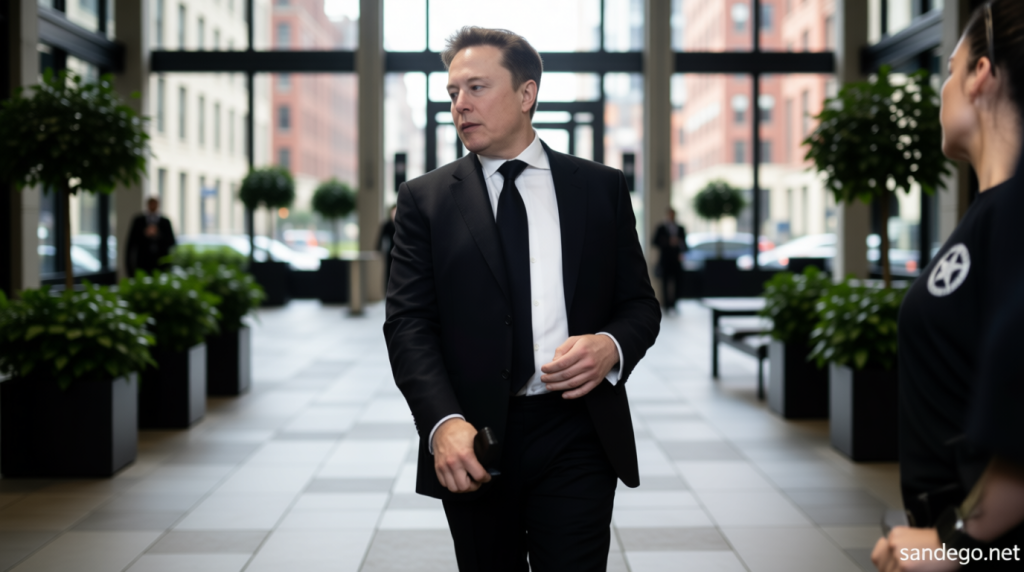
Elon Musk Loses Case Against OpenAI in Oakland Verdict
Musk loses case against OpenAI – Elon Musk loses case against OpenAI – A jury in Oakland, California, has ruled in favor of OpenAI, dismissing Musk’s lawsuit against the organization and its executives due to the statute of limitations. The decision, reached after approximately 90 minutes of deliberation, aligns with the court’s prior stance, as Judge Yvonne Gonzalez Rogers affirmed the jury’s findings. “The court now adopts the jury’s conclusion that the case was barred by the statute of limitations,” Rogers stated, emphasizing the substantial evidence supporting the verdict. This marks a pivotal moment for OpenAI, which had been under legal scrutiny for its transition to a for-profit model.
Background of the Lawsuit and Key Parties Involved
Elon Musk, a co-founder and former board member of OpenAI, was instrumental in the organization’s early development, contributing $38 million in funding. However, he filed a lawsuit in February 2024, accusing OpenAI’s leaders, including CEO Sam Altman and president Greg Brockman, of misusing his charitable donations to establish a profit-driven entity. The case centered on Musk’s claim that the shift to a for-profit model unfairly benefited OpenAI, while he was left without control. “I gave them the means to build a company without any strings attached,” Musk stated during his court appearance, framing his role as a benevolent investor.
OpenAI’s Legal Strategy and Defense
OpenAI’s legal team argued that the statute of limitations had expired, as Musk had delayed filing the suit until 2024 despite being aware of the for-profit transition as early as 2021. They highlighted that the organization’s mission remained aligned with its nonprofit foundation, emphasizing its ongoing commitment to advancing AI research. “This lawsuit was a strategic attempt to undermine a competitor,” said William Savitt, one of OpenAI’s attorneys. “Musk’s own ventures, such as xAI, indicate he was always seeking to maximize profits.” The defense also pointed to Musk’s public support for profit-driven AI initiatives, suggesting his motives were self-serving.
During the trial, OpenAI presented documents and testimonies to demonstrate that Musk’s contributions were not tied to a contractual obligation to maintain OpenAI’s nonprofit status. The evidence included internal communications showing the company’s evolution, with key figures like Ilya Sutskever and Shivon Zilis testifying about Musk’s continued involvement in OpenAI’s affairs. “His engagement with the organization extended beyond the initial investment, even after stepping down in 2018,” noted a legal expert, underscoring the deep ties between Musk and OpenAI.
Evidence and Key Testimonies
The trial featured a trove of evidence, including emails, text messages, and internal meeting notes that illustrated the complex dynamics within OpenAI. One notable document was Greg Brockman’s personal diary, which provided insight into his leadership decisions. Additionally, texts between Musk and Meta CEO Mark Zuckerberg were introduced, suggesting discussions about potential collaborations or acquisitions. These materials highlighted how OpenAI’s strategic shifts were influenced by broader industry trends and Musk’s own ambitions.
“Musk’s claim that he was a victim of unfair practices overlooks his consistent advocacy for profit-driven models,” said a legal analyst during the proceedings. “The jury’s decision reflects the balance between his personal interests and OpenAI’s mission.”
High-profile witnesses, including OpenAI co-founder Ilya Sutskever, testified about the company’s internal culture and Musk’s role in shaping its direction. Shivon Zilis, a top executive at Musk’s companies, added a personal dimension to the case by revealing the close relationship between Musk and OpenAI, even after his departure in 2018. “The evidence shows Musk remained deeply invested in OpenAI’s progress,” Zilis explained, further complicating the narrative of his legal challenge.
Implications for OpenAI’s Future and the AI Industry
The ruling clears the way for OpenAI to proceed with its financial plans, including potential IPO preparations. Musk’s lawsuit had raised concerns about the organization’s mission-driven focus, but the verdict now reinforces its nonprofit status. “The timeline in this case is clear, and the jury’s decision supports OpenAI’s long-term goals,” stated a Microsoft spokesperson, who had been named a codefendant for its role in the company’s restructuring. The outcome is likely to bolster investor confidence in OpenAI’s ability to remain mission-aligned while pursuing profitability.
With the lawsuit dismissed, OpenAI can focus on its operational strategies and continued expansion in the AI sector. The decision also sets a precedent for other investors and companies navigating similar legal challenges. “
