
The cost of living in the US weighs on Latino voters as economic discontent grows
Cost of Living Pressures Grow for Latino Voters in US Midterms
Economic Challenges Shape Voting Behavior
The cost of living in the US is increasingly influencing Latino voters, as economic strain becomes more pronounced. A recent CNN poll reveals that the cost of living and inflation are central concerns for many in the community ahead of the midterm elections. Despite some signs of economic stability, Latino families are struggling to cover essential expenses, from groceries to housing, which is reshaping their financial priorities and political engagement.
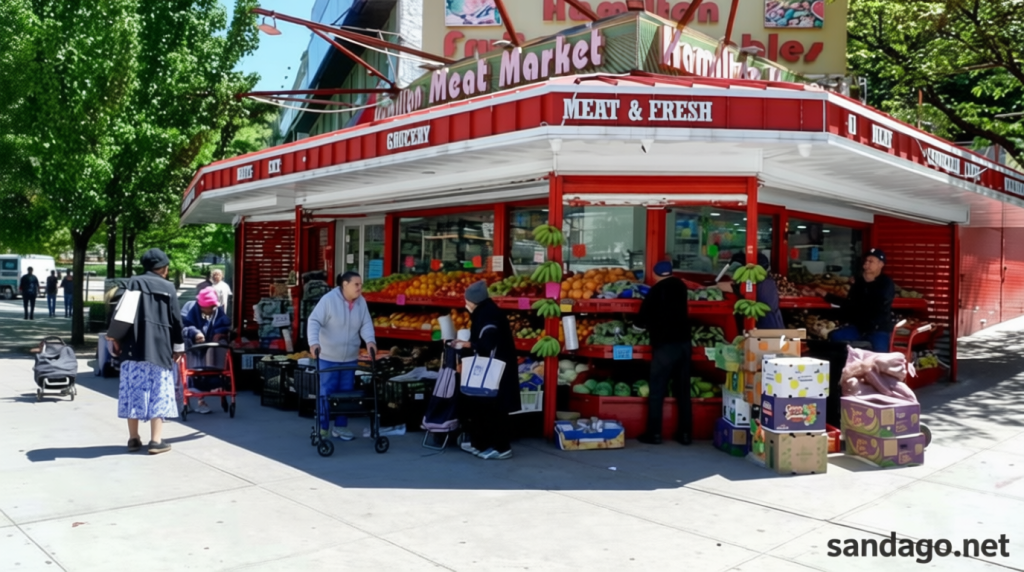
“There’s almost $20 in here and basically nothing,” said Esmeralda Roustand, a 60-year-old Dominican mother and grandmother, as she exited a Latino supermarket in New York. She clutched a small bag containing only two orange juices and a modest chicken and green banana meal. “If you go grocery shopping, food is expensive, and don’t even get me started on housing. You can’t afford an apartment because they’re extremely expensive,” she added, reflecting the financial strain of supporting her family in the Dominican Republic while managing her own expenses as a home health aide.
Latino households are bearing the brunt of inflationary pressures, with the national average gas price surpassing $4.50 and annual inflation hitting 3.8% in April, according to the Bureau of Labor Statistics. These trends are evident in daily decisions, such as whether to eat out or buy groceries, and are affecting both personal and community dynamics. For many, the cost of living is no longer a distant issue but a pressing reality that demands attention.
Stories of Financial Strain Across Communities
María Sofía González, an Ecuadorian mother, described how the rising cost of living has altered family routines. “We’ve had to give up certain little pleasures. Going out, for example,” she said, highlighting how traditional practices like dining together or weekend outings are now secondary to survival. Her experience reflects a broader pattern: the burden of expenses is reshaping not only budgets but also the social structures that define Latino life.
Juan Galván, a young college student in New York, shared his own challenges. “Every month, I have to check whether I can afford to eat out or whether I have enough to pay rent,” he explained. This dilemma underscores the difficulty of balancing personal aspirations with the reality of limited resources. For many Latinos, the cost of living is a constant negotiation between what they need and what they can afford.
At Hamilton Meat Market in Upper Manhattan, José Rosario, a seven-year veteran of the store, has observed shifts in customer behavior. “Before, with $100, you could fill up a shopping cart, but now you carry the items in your hand with just two little bags,” he noted. The price of papaya has more than doubled, and lemons—once five for a dollar—are now sold two for a dollar. These changes illustrate the tangible effects of inflation on household budgets and daily purchasing power.
Michael Negrón, a senior fellow at the Center for American Progress and former White House economic adviser, emphasized that Latino households are particularly affected by the inflation we’re seeing. “Latinos are being hit harder by the cost of living,” he said, citing data showing that Hispanics spend a larger share of their income on food and energy compared to the national average. Nearly 15% goes to groceries, while 8% is allocated to fuel, figures that highlight the community’s heightened vulnerability to economic fluctuations.
Negrón also noted that reliance on vehicles for commuting amplifies the impact of rising fuel prices. “When gas prices go up 40% or 50%, it affects everyone, but it hits Latinos harder,” he explained. This dependency creates a ripple effect, where transportation costs directly influence the ability to afford other necessities, deepening financial stress for families already stretched thin.
The growing discontent among Latinos has broader implications for the political landscape. With 70% of respondents in the CNN poll disapproving of President Donald Trump’s economic management and over seven in 10 criticizing his approach to inflation and gas prices, the community’s concerns are aligning with broader public sentiment. This alignment could shift political tides, as the cost of living becomes a key issue for Latino voters in the upcoming elections.
