
‘Won’t be anything left’: Trump issues warning to Iran after national security team meeting
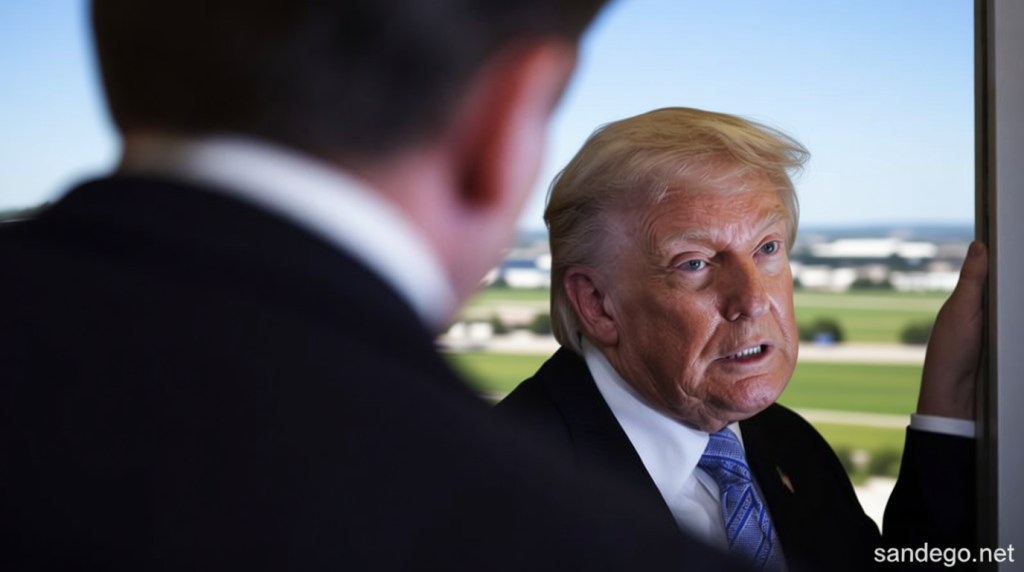
‘Won’t be anything left’: Trump issues warning to Iran after national security team meeting
Won t be anything left – President Donald Trump convened a critical session with senior figures in his administration on Saturday, focusing on the evolving situation in the Iran conflict. A confidential source shared details with CNN, revealing the meeting took place at his Virginia-based golf club. This discussion preceded a public statement from Trump on Sunday, in which he delivered a stark warning to Iran: “Tehran better get moving, FAST, or there won’t be anything left of them.” The tweet, labeled “TIME IS OF THE ESSENCE! President DJT,” underscored his urgency in addressing the ongoing tensions with the Islamic Republic.
Key Participants and Strategic Context
The gathering included Vice President JD Vance, Secretary of State Marco Rubio, CIA Director John Ratcliffe, and special envoy Steve Witkoff. These officials are tasked with formulating the administration’s approach to escalating hostilities with Iran. The meeting occurred just hours after Trump returned to Washington from a pivotal trip to China, a nation that maintains strong economic and political ties with Tehran. The timing highlights the interconnectedness of global alliances, as Trump sought to balance diplomatic efforts with military pressure.
“For Iran, the Clock is Ticking, and they better get moving, FAST, or there won’t be anything left of them.”
Analysts note that Trump’s impatience with Iran’s diplomatic posture has intensified since his return from Beijing. The president’s frustration stems from Tehran’s reluctance to advance negotiations and the recent disruption of the Strait of Hormuz, a critical maritime passage for global oil shipments. This strait’s closure has exacerbated concerns over rising oil prices, a key economic issue for the U.S. and its allies. The White House has not yet issued a formal statement on the meeting, leaving details to the media and insiders to piece together.
Strategic Delays and Military Preparedness
During his visit to China, Trump’s team opted to delay decisions on Iran, closely monitoring discussions with Chinese President Xi Jinping. Several administration officials expressed a desire to see how the talks with Beijing would shape the broader geopolitical landscape before committing to action. However, this hesitation has not stilled Trump’s resolve to escalate pressure. In recent days, the president has shown a willingness to consider renewed military strikes as a means to compel Iran into a compromise, according to prior reports from CNN.
While the administration previously prioritized diplomatic solutions, the current approach signals a shift toward force. The Pentagon has been working on contingency plans, including targeted strikes on Iran’s energy infrastructure and key military installations. These strategies aim to disrupt Iran’s capabilities without triggering a full-scale war. Sources familiar with the planning described the military options as a “toolbox” for potential use if diplomatic talks stall.
Regional Dynamics and Mediation Efforts
Iran’s stance remains firm, with no indication of retreat from its leadership. A spokesperson for the prime minister and a U.S. official informed CNN that Trump had called Israeli Prime Minister Benjamin Netanyahu, reinforcing the alliance between Washington and Tel Aviv. This call underscores the strategic importance of Israel in the region and its role as a frontline ally against Iranian aggression.
Meanwhile, Pakistan has continued its role as a mediator in U.S.-Iran peace talks. The nation’s interior minister, Mohsin Naqvi, met with top Iranian officials, including President Masoud Pezeshkian, on Sunday. Iranian media reported that Pezeshkian emphasized the need for stable relations with Islamic countries in the Middle East, though he also highlighted the U.S.’s perceived interference in regional affairs. The Iran-linked Tasnim news agency quoted Pezeshkian as stating, “The United States and Israel have always tried to pit Islamic nations against one another through divisive projects and by fostering distrust,” despite Iran’s aspirations for “good neighborliness” with its neighbors.
“The United States and Israel have always tried to pit Islamic nations against one another through divisive projects and by fostering distrust”
The meeting in Pakistan reflects the complex web of regional alliances and rivalries. While the U.S. and Israel seek to contain Iran’s influence, Iran has leveraged Pakistan’s strategic position to maintain diplomatic channels. This dynamic has kept the conflict from boiling over entirely, even as tensions persist.
Global Implications and Economic Leverage
The Strait of Hormuz remains a focal point of concern. Its closure has not only disrupted global oil flows but also elevated fears of a broader economic conflict. Trump has consistently linked Iran’s actions to the stability of international markets, framing the issue as a test of the nation’s resolve. The administration’s focus on this chokepoint highlights the strategic importance of controlling oil supply routes in maintaining economic power.
As the White House prepares for its next round of strategy sessions, the emphasis on military options suggests a readiness to act. The Pentagon’s pre-strike plans include precise targeting of Iran’s energy sectors, which are vital to its economy and military operations. By striking these sites, the U.S. could cripple Iran’s ability to sustain its war efforts and force it into concessions. However, such actions risk drawing Iran into a more aggressive response, potentially escalating the conflict further.
Despite the military readiness, Trump’s team remains divided on the best path forward. Some advisors advocate for a cautious approach, arguing that sustained economic pressure could yield results without direct confrontation. Others, however, warn that Iran’s continued defiance could justify preemptive strikes. This debate is likely to continue as the administration weighs its options in the coming days.
Historical Precedents and Future Outlook
Trump’s aggressive rhetoric aligns with his broader approach to international conflicts, characterized by swift decisions and high stakes. His warning to Iran echoes previous statements about the threat of military action, particularly during the 2018 withdrawal from the Iran nuclear deal. The current scenario, however, is more complex, involving not only Iran but also its allies like China and the role of regional actors such as Pakistan.
With the White House expected to reconvene with its national security team early this week, the focus will remain on how to apply pressure without overextending U.S. resources. The administration’s decision could have far-reaching consequences, influencing the trajectory of Middle Eastern politics and global energy markets. As Trump’s team finalizes its strategy, the world watches closely for signs of a potential escalation or a breakthrough in negotiations.
In summary, the latest developments in the Iran conflict reveal a president increasingly willing to use military force to achieve strategic objectives. The combination of diplomatic stalemate, economic leverage, and regional alliances has created a volatile situation. While the U.S. and its allies seek a resolution, Iran’s defiance continues to test the limits of patience and cooperation. The outcome of this confrontation will shape the future of international relations for years to come.
