
Supreme Court rejects Big Pharma appeals challenging negotiated drug prices in Medicare
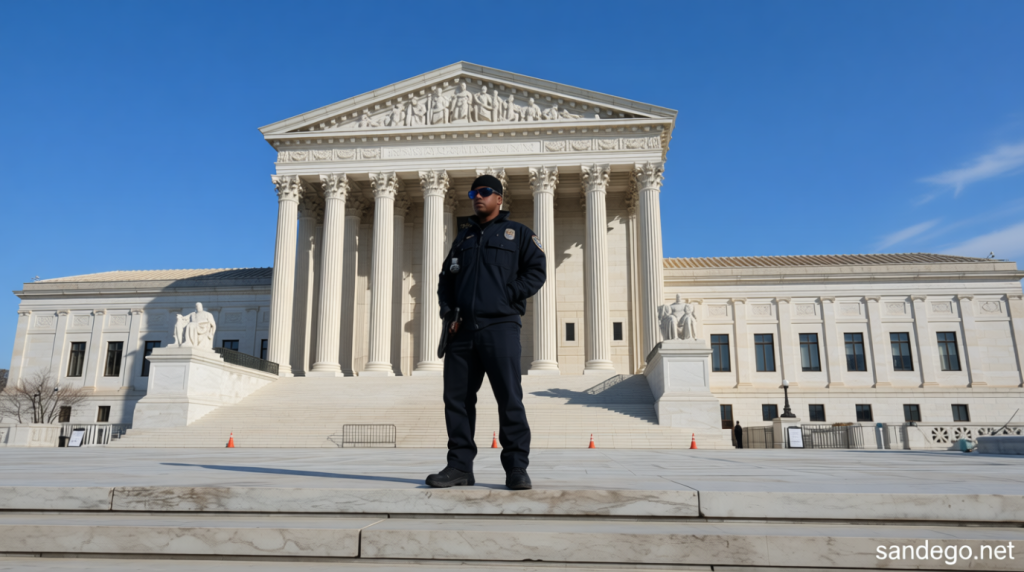
Supreme Court Rejects Big Pharma Drug Price Challenge in Medicare
Supreme Court rejects Big Pharma appeals – The U.S. Supreme Court on Monday affirmed its stance by rejecting appeals from major pharmaceutical companies seeking to overturn a program that allows Medicare to negotiate prescription drug prices. This landmark decision ensures the policy remains intact, marking a pivotal moment in the ongoing struggle over healthcare costs. By declining to revisit the issue, the Court has validated the federal government’s authority to lower drug expenses, a move that aligns with the goals of the 2022 Inflation Reduction Act. The ruling preserves the legal standing of a policy that has already generated billions in savings for seniors and the federal budget, even as industry groups continue to push back through litigation.
Medicare Negotiations and Industry Resistance
At the center of the dispute is a provision from the 2022 Inflation Reduction Act, which grants Medicare the power to directly negotiate prices for medications with high spending volumes. This has been a contentious measure, with Big Pharma arguing it infringes on their rights to set fair market prices. The Supreme Court’s rejection of appeals from companies like AstraZeneca and Janssen highlights the administration’s resolve to implement the law. While the pharmaceutical industry has launched multiple lawsuits, the Court’s decision underscores the strength of the program’s legal framework and its alignment with congressional intent.
Supreme Court rejects Big Pharma appeals, with the justices emphasizing that the policy does not violate constitutional principles. The Court’s reasoning hinges on the argument that Medicare’s negotiation process is voluntary and does not force companies into binding agreements. This conclusion reinforces the idea that drugmakers can still participate in the program while retaining the ability to exit if they disagree with the terms. Legal experts have noted that the decision effectively blocks the industry’s attempts to challenge the policy on procedural grounds, ensuring the program’s continuation.
Financial Impact and Legal Precedents
The Medicare drug price negotiation program has already delivered significant results, with the first round of talks saving over $6 billion in federal costs and reducing seniors’ out-of-pocket expenses by $1.5 billion. These savings are expected to grow as subsequent rounds progress, with projections indicating an additional $12 billion in Medicare savings by early 2025. The Supreme Court’s affirmation of the policy comes after lower courts consistently ruled in favor of its constitutionality, leaving Big Pharma with few remaining legal avenues to contest its implementation.
“The Supreme Court’s decision ensures that the negotiated drug pricing framework under Medicare stands as a constitutional and economic success,” said legal analyst Sarah Mitchell in a recent report.
Despite their claims of constitutional violations, pharmaceutical companies have yet to provide a compelling argument that overturns the program’s legality. The Court’s rejection of appeals has also set a precedent that could influence future challenges to similar initiatives. With the policy now firmly in place, the focus shifts to its long-term effectiveness in curbing the rising cost of medications, a goal that has been a priority for policymakers and patients alike.
Industry Arguments and Judicial Responses
Big Pharma has argued that Medicare’s negotiation process constitutes an unconstitutional seizure of their property without just compensation. This claim is rooted in the Fifth Amendment, which guarantees due process in the government’s use of eminent domain. However, the Supreme Court’s decision dismisses this argument, noting that the program allows companies to opt out if they believe the negotiated prices are unfavorable. The ruling also counters claims that the process is a “sham negotiation,” emphasizing that the government’s actions are grounded in clear statutory authority.
Supreme Court rejects Big Pharma appeals, with the justices citing the voluntary nature of Medicare participation as a key factor. While the pharmaceutical industry contends that the program imposes unfair constraints on pricing, the Court’s decision reaffirms that the initiative was designed to address rising healthcare costs. Legal scholars have pointed out that the ruling strengthens the program’s legitimacy, making it harder for future challenges to gain traction. The decision also signals a broader trend of the Supreme Court upholding congressional efforts to reform drug pricing.
Next Steps and Long-Term Implications
With the Supreme Court’s decision, the program enters its next phase, focusing on expanding the list of medications subject to price negotiations. The second round, covering 15 drugs, is projected to yield further savings, with Medicare expected to save $12 billion and seniors’ costs reduced by $685 million. The third round is already underway, demonstrating the program’s sustained impact on drug pricing. As the policy matures, its success will depend on continued negotiations and the ability of Medicare to secure favorable terms for beneficiaries.
The Supreme Court rejects Big Pharma appeals, leaving the industry to adapt to a new reality where negotiated pricing is a permanent feature of the Medicare program. While companies may still advocate for policy changes, the current legal landscape favors the administration’s approach. This development could have far-reaching effects, influencing how pharmaceutical firms set prices and how they interact with government programs. As the cost-saving measures take effect, the focus will shift to their practical impact on patients and the broader healthcare system.
