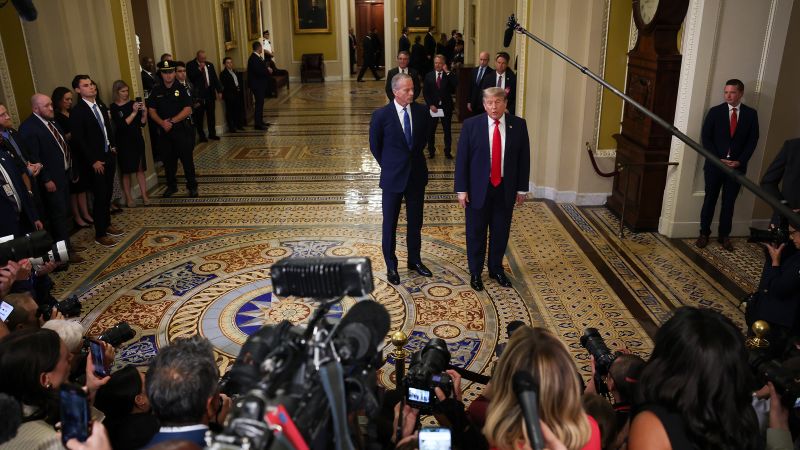
Trump’s Housing Bill Move Sparks Debate Over Political Strategy
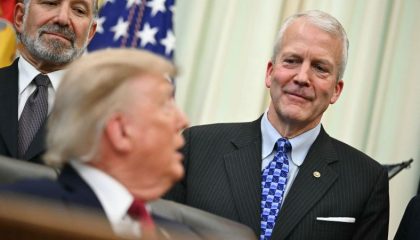
Sandego.net – President Donald Trump’s decision to abruptly halt the signing of a bipartisan housing affordability bill has ignited fresh controversy over his approach to legislative tactics. The act, which had already cleared both the House and Senate with strong cross-party support, was set for a ceremonial endorsement by the president earlier this week. However, Trump shifted course, demanding that Congress pass the “SAVE America Act” before he would finalize the agreement. This maneuver, occurring just over four months before the November elections, has drawn sharp criticism for its timing and potential impact on his political standing.
A Strategic Shift with Unintended Consequences
Trump’s reversal came as celebrations for the housing bill’s passage began to take shape. Republican leaders, including key figures in the White House, had publicly praised the legislation, framing it as a major victory for economic stability. Yet, the president’s sudden move to withhold his signature until the “SAVE America Act” was enacted created a rift. The new bill, focused on election-related reforms such as voter ID requirements and citizenship verification, was portrayed by some Republicans as a critical step to safeguard the electoral process. However, its inclusion as a bargaining chip for the housing bill has raised questions about its effectiveness and relevance.
“The housing bill was one of the most significant pieces of legislation in American history,” said Karoline Leavitt, the White House press secretary. “It was a clear win for the American people.”
Leavitt’s statement highlights the perceived importance of the original bill, which aimed to address rising housing costs and improve affordability. But Trump’s decision to delay its signing has been seen as a calculated gamble, leveraging public support for the housing measure to push his own agenda. Critics argue that this strategy could backfire, as it risks overshadowing the bill’s achievements with the potential fallout of the “SAVE America Act.”
Public Sentiment on the Economy and Inflation
Trump’s handling of the housing bill has come under scrutiny against the backdrop of a deteriorating economic climate. Recent polls reveal that his disapproval ratings on key economic issues have reached alarming levels. According to data from Fox News, CBS News, and AP-NORC, approximately 68% of Americans disapprove of his economic management, with inflation-related disapproval hovering even higher at 70%. These figures reflect a growing consensus that the administration has struggled to address the nation’s most pressing financial concerns.
Before the Iran war in February, Trump’s policies were already criticized for their limited impact on lowering prices. A CBS poll conducted in early 2026 showed 75% of respondents believed the Trump administration had not done enough to combat rising costs. By May, that sentiment had deepened, with 65% of Americans stating the president had “not gone far enough” in reducing everyday expenses. Furthermore, 77% of respondents indicated his policies had “increased the cost of living” in their communities. These statistics underscore a shift in public perception, from viewing Trump as indifferent to the economy to seeing him as directly responsible for its challenges.
“The Trump administration’s focus has been inconsistent,” noted a CNN analyst in a recent commentary. “While they celebrated the housing bill, their actions on inflation and affordability have left voters skeptical.”
Adding to the tension, Trump’s rhetoric on affordability has often downplayed its significance. During rallies and public appearances, he has described the issue as a “hoax” and emphasized other priorities, such as tax cuts and regulatory rollbacks. This dismissive attitude has alienated many voters who feel the economic strain firsthand, creating a disconnect between the president’s messaging and the realities they face.
The “SAVE America Act”: A Political Calculus
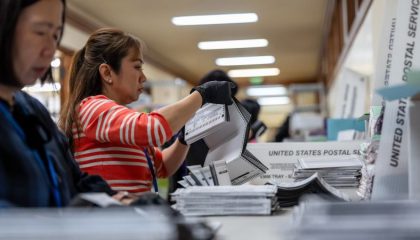
Supporters of the “SAVE America Act” argue it is a necessary measure to prevent fraud in elections. The legislation, which includes provisions for voter ID requirements and stricter documentation for registration, has been championed by some GOP lawmakers as a way to restore trust in the electoral system. However, the bill’s inclusion as a trade-off for the housing bill has sparked debate over its urgency and public appeal.
While voter ID laws do enjoy broad support, with 66% of Americans favoring them in a March CBS poll, the “SAVE America Act” has not garnered similar enthusiasm. The same survey found only 28% of respondents backed the legislation, which was previously known as the “Secure the Vote Act.” This disparity suggests that the bill’s provisions may not resonate as strongly as the housing measure, especially among voters who are more concerned about immediate economic relief.
Analysts suggest Trump’s move is a reflection of his broader strategy to maintain relevance in the upcoming elections. By tying the housing bill to the “SAVE America Act,” he aims to redirect attention from his economic shortcomings to a different issue. However, this tactic could inadvertently amplify the perception that he is more interested in political theatrics than addressing core concerns. The housing affordability bill, which had the potential to solidify support among working-class voters, now faces the risk of being overshadowed by a more polarizing agenda.
A Risky Bargain in the Midst of Uncertainty
Trump’s decision to hold the housing bill hostage has been described as a “political misstep” by many observers. The act was widely seen as a consensus-driven solution to a critical problem, yet by using it as leverage, the president has risked deepening the divide between his base and moderate voters. The timing of the stunt—just as the economy’s struggles are becoming more pronounced—has further complicated its reception.
While some Republicans believe the “SAVE America Act” is worth the trade-off, others warn that the move could harm the party’s chances in November. The housing bill was a rare bipartisan achievement, and its cancellation may erode the goodwill it had generated. With inflation and affordability at the forefront of voters’ minds, Trump’s decision to prioritize electoral reforms over economic relief could reinforce his image as a leader who is out of touch with the American people’s priorities.
Moreover, the “SAVE America Act” is not without its drawbacks. Critics point to evidence that voter fraud from undocumented migrants is minimal, arguing that the bill’s provisions could unfairly restrict access to voting. This has led to concerns that Trump is using the housing bill as a tool to advance a more contentious political agenda, potentially at the expense of his credibility on economic issues.
Long-Term Implications for the GOP
As the November elections approach, the GOP’s ability to address economic concerns will be crucial. Trump’s actions have highlighted the party’s struggle to reconcile its traditional focus on limited government with the growing need for policies that directly impact everyday life. His decision to delay the housing bill’s signing may have been intended to shift the narrative, but it has instead intensified the scrutiny on his economic record.
With disapproval ratings for the economy and inflation climbing, the president’s approval is in jeopardy. The “SAVE America Act” is likely to be a minor point of contention, but the housing bill’s cancellation has the potential to become a major liability. If voters perceive Trump as prioritizing political games over real solutions, it could cost him critical support in a tightly contested election. The challenge for the GOP is to balance these competing priorities without alienating either their base or the broader electorate.
As the debate continues, the focus remains on whether Trump’s latest move will strengthen or weaken his position. The housing bill, once a symbol of bipartisan cooperation, now stands as a test of his ability to navigate the complex landscape of modern politics. In a time of economic uncertainty, such a high-stakes gamble could prove costly—or it could reshape the political narrative in his favor. Only time will tell.