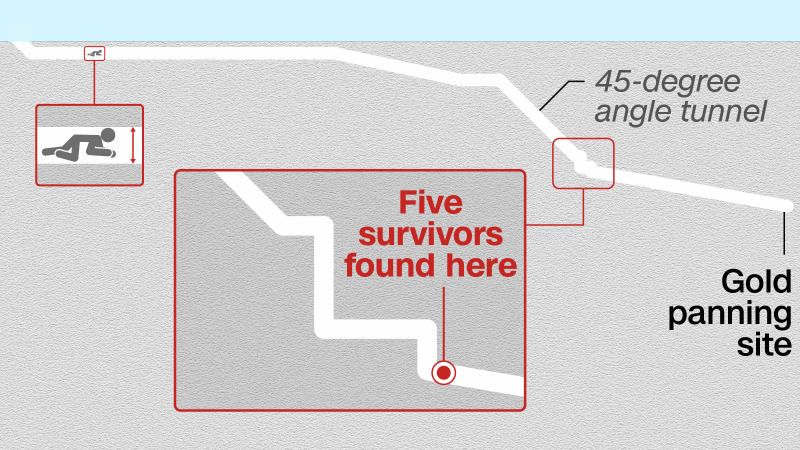
A visual guide to the Laos cave rescue
Overview of the Rescue Operation
Sandego.net – After a high-stakes rescue effort, five individuals have been successfully brought to safety from a secluded cave system in Laos. The operation, which spanned more than a week, required an intricate coordination of divers, engineers, and medical teams to navigate the treacherous underground environment. The survivors emerged after enduring confined spaces, limited oxygen supplies, and the psychological strain of being stranded in darkness. Their ordeal has become a focal point for global attention, highlighting the challenges of cave rescues in remote regions.
The mission began when a group of men, likely exploring the cave for recreational purposes, entered the labyrinthine tunnels without proper equipment. What started as a routine adventure quickly turned perilous when the exit became blocked, trapping the individuals inside. Rescuers faced the daunting task of locating the survivors and ensuring their safe extraction. The complexity of the operation was compounded by the cave’s depth, narrow passages, and unpredictable water currents, which required innovative strategies and real-time adjustments.
Cave Structure and Challenges
The cave system, situated in the mountainous region of Laos, is part of a network of karst formations known for their intricate passages and hidden chambers. Rescuers relied on a detailed diagram created by the Metta Tham Kalasin Command and Control Center, which provided critical insights into the cave’s layout. This diagram, based on information from the divers themselves, helped identify potential pathways and obstacles. However, even with this map, the team encountered unexpected challenges, including a sudden collapse of a section of the tunnel that further restricted access.
One of the most remarkable aspects of the rescue was the depth to which divers had to descend. The survivors were located in a chamber hundreds of feet below the surface, requiring specialized equipment and techniques to reach them. The divers, equipped with rebreathers and reinforced suits, navigated through flooded passages and tight crevices. Their journey was not only physically demanding but also mentally taxing, as they had to maintain composure in the face of uncertainty and the risk of equipment failure.
Communication was a key factor in the operation’s success. Teams on the surface maintained constant contact with the divers using underwater radios and emergency beacons. This ensured that any changes in conditions or discoveries of new routes were swiftly shared. Additionally, the use of sonar technology and thermal imaging allowed rescuers to detect movement within the cave, guiding them toward the trapped individuals.
The Remaining Two and Ongoing Efforts
Despite the successful retrieval of five survivors, two others are still missing. Rescuers are currently evaluating the situation and preparing for the next phase of operations. “We are working tirelessly to locate the remaining individuals,” said a spokesperson from the Metta Tham Kalasin team. “Every hour spent in the cave is crucial, and we are not ruling out the possibility of a second rescue attempt.”
The search for the two missing persons has intensified, with divers exploring new sections of the cave and using advanced tools to map uncharted areas. The team has deployed multiple teams, rotating them to prevent exhaustion and maintain operational efficiency. Each dive is meticulously planned, with backup systems in place to handle emergencies. The families of the missing have been kept informed through regular updates, though the emotional toll of the situation remains palpable.
Officials have also emphasized the importance of international collaboration in this rescue. Experts from Thailand and other neighboring countries contributed to the operation, sharing resources and expertise. This partnership underscores the global nature of cave rescue efforts, where specialized knowledge and technology are essential to overcoming the cave’s unique challenges. The use of divers from Thailand, in particular, highlights the cross-border coordination that has been vital to the mission’s progress.
Historical Context and Significance
This incident is not the first of its kind in the region. Laos has a history of cave-related emergencies, often due to its geological features and the popularity of cave exploration among local communities. However, the scale of this rescue operation sets it apart, with the cave’s depth and complexity making it one of the most difficult rescues in recent memory. The successful extraction of the five survivors serves as a testament to the resilience of the teams involved and the importance of preparedness in such scenarios.
Experts note that the cave’s location in a remote area contributed to the difficulty of the rescue. Access to the site required traversing rugged terrain, which delayed the arrival of initial response teams. Once on-site, the challenge was to establish a stable base for operations while managing the cave’s dynamic environment. Water levels fluctuated due to seasonal rains, forcing rescuers to adapt their strategies on the fly. The patience and persistence of the team have been key to navigating these obstacles.
As the rescue continues, the focus remains on the remaining two individuals. Rescuers are optimistic but cautious, aware that the cave’s unpredictable nature could still pose risks. The operation has also raised awareness about the importance of safety protocols in cave exploration, prompting discussions on how to prevent similar incidents in the future. With the support of volunteers, engineers, and families, the teams are determined to complete the mission and ensure everyone’s safe return.
Photographs and diagrams from the rescue have provided a visual insight into the cave’s structure and the efforts undertaken. Norrased Palasing, a Reuters photographer, captured the moments of extraction, while images from the Metta Tham Kalasin Rescue team and Thailand Rescue Diver on Facebook offer a glimpse into the underground environment. These visuals serve as both a record of the event and a tool for public engagement, showcasing the dedication and expertise required to save lives in such conditions.
The Laos cave rescue has become a symbol of human perseverance in the face of natural adversity. It reminds us of the dangers of adventure and the importance of teamwork, technology, and determination. As the teams continue their work, the world watches closely, hoping for the best outcome in this high-stakes mission. The story of the five survivors and the ongoing search for the missing will undoubtedly be remembered as a defining moment in the history of cave rescues.
Conclusion and Future Steps
The rescue operation in Laos is a complex chapter in the annals of survival stories. While the five survivors have been brought to safety, the challenge of finding the remaining two is far from over. Rescuers are now conducting thorough assessments of the cave’s conditions, identifying potential routes for the next phase of the mission. The use of advanced equipment and real-time data analysis will be crucial in these efforts.
Officials have also called for increased awareness of cave exploration risks, especially in areas with unstable geological formations. The incident has prompted discussions about the need for better training and equipment for local divers, as well as the importance of contingency plans. As the teams prepare for the next steps, the focus remains on the remaining individuals, with no shortage of hope or determination. The Laos cave rescue is a reminder of the delicate balance between adventure and safety, and the relentless pursuit of answers in the face of uncertainty.