Trump Cancels DNI Hearings Over FISA Frustrations
Sandego.net – President Donald Trump announced the cancellation of a Senate hearing for his nominee to lead the Director of National Intelligence (DNI), citing frustration with congressional delays on the Foreign Intelligence Surveillance Act (FISA). His decision, shared on Truth Social, reflects a growing tension between the executive branch and lawmakers as they clash over the law’s renewal. “Trump says he is canceling DNI hearings today until Jamie McDonald is confirmed as U.S. attorney,” the post read. The move has sparked debate about the politicization of intelligence oversight and the potential impact on national security operations.
Legislative Stalemate and the FISA Renewal
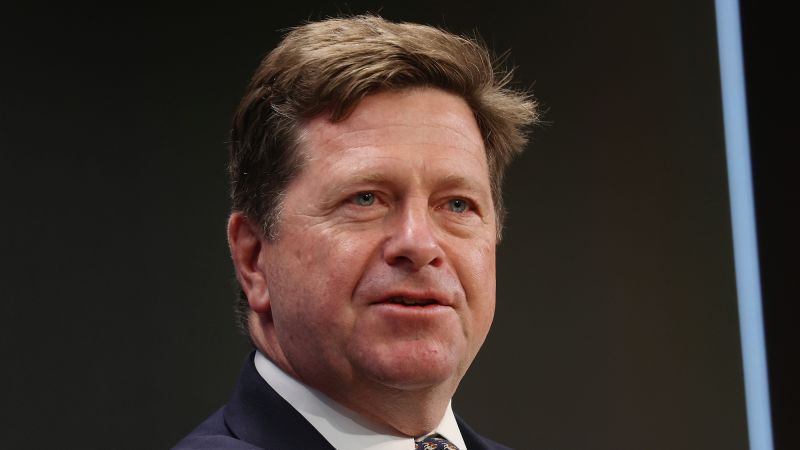
The Senate had planned to question Trump’s DNI nominee, Jay Clayton, but the hearing was delayed until his successor, Jamie McDonald, received confirmation. Trump emphasized that the cancellation would not proceed without congressional approval of McDonald’s nomination, underscoring the president’s leverage in the political standoff. “We are canceling the Senate Hearing RE: DNI today, and will not be going forward until Jamie McDonald is approved to be U.S. Attorney,” he reiterated. This action highlights a strategic shift in how the executive branch engages with legislative processes, particularly regarding surveillance law extensions.
Bill Pulte, the acting DNI, had been a focal point of controversy. Trump’s delay in confirming Clayton aims to pressure Senate Republicans into accelerating the approval of McDonald, who was fast-tracked for the U.S. attorney role. Critics argue that this maneuver could disrupt the intelligence community’s continuity, while supporters see it as a necessary step to counter congressional inaction. The current DNI role is pivotal for coordinating intelligence efforts, and the delay may slow down policy implementation.
Trump’s Strategy and FISA Negotiations
Trump’s frustration with FISA’s renewal has been a recurring theme. He accused Democrats of breaking a deal by opposing the law’s extension without pairing it with broader political reforms. “The Republicans agreed with Dumocrats to remove very fair, and talented, William Pulte, from serving as Acting DNI in return for getting FISA approved by the Dumocrats,” he wrote. However, the speed with which Senate Republicans confirmed Clayton has left Pulte’s tenure in limbo, raising questions about the balance of power between the branches.
Democrats, meanwhile, have linked FISA’s survival to the passage of the SAVE America Act, a measure they claim would introduce necessary voting reforms. Trump’s cancellation of the DNI hearing appears to be a calculated move to pressure Congress into swift action. “We are canceling the Senate Hearing RE: DNI today,” he repeated, signaling a shift toward direct confrontation. This strategy has drawn comparisons to past political tactics, with some analysts noting the potential for long-term consequences on intelligence coordination.
Senate Republicans had previously expedited Clayton’s confirmation to ensure a smooth transition. However, the Democrats’ insistence on pairing FISA with additional reforms has stalled the process. Trump’s cancellation of the hearing may force lawmakers to reassess their stance, especially as the program faces uncertainty without congressional support. The president’s emphasis on the focus keyword, “Trump says he is canceling,” underscores the intensity of the political battle over surveillance authority.
Implications for National Security and Congressional Dynamics
The DNI’s role in overseeing national intelligence operations makes Trump’s cancellation a significant event. By withholding approval for the hearing, the president has signaled his willingness to use executive power to influence legislative outcomes. This move may also highlight a broader pattern of using intelligence appointments as leverage in political negotiations. “We are canceling the Senate Hearing RE: DNI today,” Trump reiterated, framing the decision as a response to congressional obstruction.
While the Senate Intelligence Committee typically manages such hearings, Trump’s direct intervention suggests a breakdown in traditional procedural norms. The timing of the cancellation—just days before the hearing—adds urgency to the situation. Analysts note that the president’s use of the focus keyword, “Trump says he is canceling,” in multiple posts aims to reinforce his position and rally support among his base. The outcome of this dispute could shape the future of FISA and the intelligence community’s independence.