Epstein Survivors Demand Investigation After Private Meeting With Comer
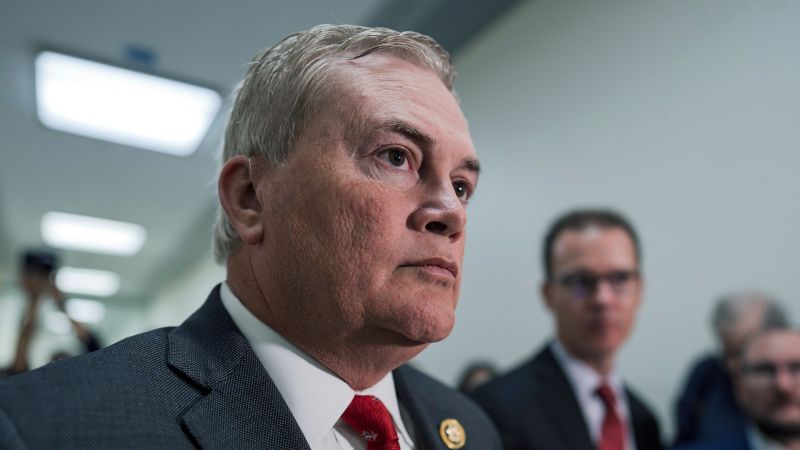
Sandego.net – Last week, a group of individuals who endured abuse by Jeffrey Epstein and family members of the late Virginia Giuffre met privately with House Oversight Committee Chair James Comer. During the session, they highlighted specific allegations from the Justice Department’s (DOJ) Epstein files, urging Comer to deepen his inquiry. The survivors argued that acting Attorney General Todd Blanche’s assertion that no further leads exist in the case is misleading. They provided Comer with a set of documents, including an email detailing a list of men connected to Epstein and Giuffre’s 2015 testimony to investigators, to help refine the committee’s investigation and demonstrate that the DOJ still holds actionable information.
DOJ Files Reveal Potential Leads for New Probe
The survivors presented Comer with a partially redacted collection of emails from July 2025. These documents indicated that FBI officials were aware of a spreadsheet compiling allegations against more than a dozen men linked to Epstein. One redacted individual in the email chain wrote, “Take these names and build out a new spreadsheet with all the derogatory details,” referring to the list of 14 men. The emails suggest that the DOJ had already begun gathering evidence against these figures, yet Blanche’s earlier claims implied no such efforts were underway. This discrepancy has sparked renewed interest in the files among the survivors, who see them as critical to advancing justice.
High-Profile Names on the Allegations List
The 14 men on the spreadsheet include several who have already appeared before the committee, such as Bill Clinton and Les Wexner, who have given videotaped and transcribed interviews. Others, like Andrew Mountbatten-Windsor and former President Donald Trump, have not testified yet. The survivors emphasized that these names represent powerful individuals whose connections to Epstein may have broader implications. Trump, in particular, has been a focal point of the investigation, with his legal team and allies defending his involvement. However, the survivors’ meeting with Comer has introduced fresh momentum, pressuring the committee to explore these avenues more thoroughly.
Giuffre’s Testimony and Compromise
Giuffre’s 2015 testimony, which the survivors shared with Comer, provided a firsthand account of her experiences with Epstein. The documents also include a list of men from his circle, which the committee is now analyzing. While Giuffre initially accused Dershowitz of sexual abuse, she later dropped those allegations in 2022, stating she “may have made a mistake.” Dershowitz, who has long defended his actions, has consistently denied wrongdoing, even as the survivors push for a more rigorous examination of his role. This timeline of Giuffre’s claims adds complexity to the case, highlighting the ongoing debate over accountability and transparency.
Comer’s Actions and Dershowitz’s Testimony
Following the meeting, Comer took decisive steps to incorporate the survivors’ findings into his investigation. He announced plans to summon Alan Dershowitz, Epstein’s former attorney, to testify. The committee’s request for Dershowitz’s appearance stated, “Due to public reporting, documents released by the Department of Justice, documents obtained by the Committee, and your former role as Mr. Epstein’s attorney, the Committee believes you have information that will assist in its investigation.” A committee spokesperson clarified that the decision to call Dershowitz was based on the survivors’ input and Giuffre’s testimony, underscoring the collaborative nature of the probe.
Blanche’s Claims Under Scrutiny
The survivors contested Blanche’s earlier statements, which claimed the DOJ files lacked prosecutable leads. They disputed these assertions during the meeting and also challenged them in public interviews. For instance, Blanche told CNN’s Dana Bash in February that the files did not contain evidence warranting new charges, and he reiterated this stance to FOX in April. However, the released documents suggest otherwise, with the FBI’s awareness of the spreadsheet and the DOJ’s systematic collection of allegations contradicting his claims. This has raised questions about the consistency of Blanche’s narrative and the extent of the DOJ’s involvement in the case.
Trump’s Advocacy for Epstein Victims
President Donald Trump has been a recurring figure in the discussion, with his team framing his actions as supportive of the victims. A White House spokeswoman, Abigail Jackson, told CNN Monday that Trump “has done more for Epstein’s victims than anyone before him.” She cited his support for releasing thousands of pages of documents, cooperating with the House Oversight Committee’s subpoena, and endorsing the Epstein Files Transparency Act. Despite these efforts, Trump maintains that he is fully exonerated in relation to Epstein’s crimes. His stance has become a point of contention, with the survivors questioning whether his advocacy truly reflects commitment to justice or a political strategy.
Pressure on the DOJ to Act
The meeting between the survivors and Comer has intensified pressure on the DOJ to follow up on the allegations. By presenting the files directly to the committee, the survivors are seeking to bypass bureaucratic delays and ensure the DOJ’s role in the case is reevaluated. This approach reflects a growing frustration with the agency’s handling of the matter, particularly after the investigation stalled under Blanche. The survivors argue that the DOJ’s initial reluctance to pursue leads has left critical evidence unexplored, and they are now pushing for a more aggressive examination of the 14 men listed in the emails.
Next Steps and Ongoing Debate
As the committee moves forward, it faces the challenge of balancing political considerations with the pursuit of justice. The inclusion of Dershowitz’s testimony marks a significant step, but it also highlights the contentious nature of the case. While the survivors remain focused on uncovering the truth, the DOJ and other figures continue to defend their positions. The outcome of this investigation could have far-reaching implications, not only for Epstein’s victims but also for the broader landscape of political accountability. The public’s interest in the case is evident, and the next phase of the probe will likely determine whether the DOJ’s files are leveraged effectively to secure new leads.
The meeting has also prompted calls for greater transparency, with the survivors urging the DOJ to release more details about its actions against the 14 men. As the House Oversight Committee delves deeper into these allegations, the focus remains on how the evidence will be used to hold powerful individuals accountable. This development underscores the persistent efforts of Epstein’s survivors to ensure their voices are heard and that the investigation does not fade into obscurity. With the DOJ’s files now in the spotlight, the case continues to evolve, offering a fresh perspective on the intersection of politics and justice.