Tragedy at Edwards Air Force Base: B-52 Bomber Crash Claims Eight Lives
Sandego.net – Edwards Air Force Base, located northeast of Los Angeles, has been shaken by a devastating B-52 bomber crash that occurred just minutes after takeoff on Monday morning. The incident, which resulted in the deaths of eight crew members, marks the most severe crash involving the venerable aircraft since 1982. Officials at the base confirmed the fatalities, describing the event as a “tragic and unsurvivable” loss, according to Colonel James Hayes, who addressed the media during a news conference. The crash has prompted an immediate recovery effort, with emergency teams mobilized to the scene and families of the victims notified in the hours following the tragedy.
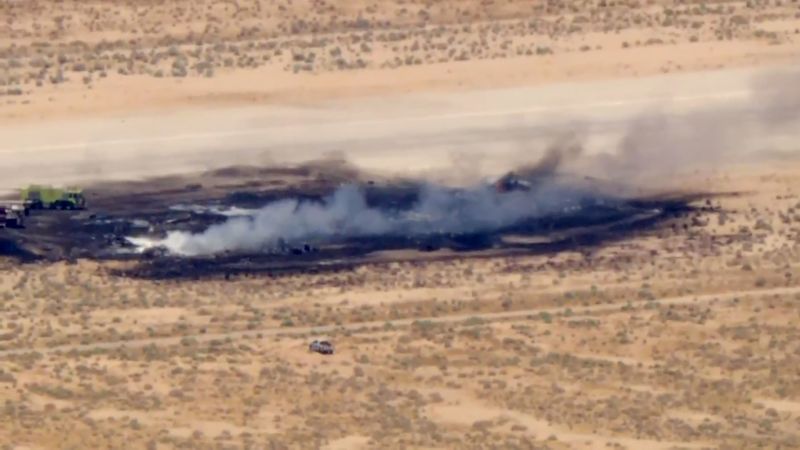
Following the crash, the base reported that the runway was left with a large blackened scar and faint traces of smoke, though much of the wreckage remains indistinct. Video footage from CNN affiliate KCAL captured the aftermath, showing a towering black plume rising from the crash site. Despite the damage, the base has since been reopened, though officials have temporarily suspended all operations until Tuesday. This decision underscores the seriousness of the incident and the need for thorough evaluation of the site before resuming normal activities.
Historical Context and Aircraft Background
The B-52 Stratofortress, a long-range heavy bomber, has been a cornerstone of the U.S. Air Force’s strategic capabilities for decades. First entering service in 1955, the aircraft has undergone numerous modernization programs to extend its operational life. The current model, the B-52H, remains a critical asset, with 76 active units in the Air Force’s inventory before Monday’s crash. These bombers have been deployed in recent military operations, including bombing missions in the conflict between the U.S. and Iran. Their versatility is further highlighted by their ability to carry nuclear bombs and cruise missiles, making them a key component of the nation’s deterrent strategy.
Monday’s crash was part of a routine test mission, a task that often involves the most experienced pilots and engineers. The plane was carrying a crew of five, but the number of fatalities exceeds that, suggesting a catastrophic failure during the flight. The crash has reignited discussions about the safety of aging aircraft, particularly as the B-52H continues to serve despite being over 60 years old. While the plane has been upgraded through life-extension initiatives, its design is still based on the original 1950s model, which has been adapted over the years to meet modern operational demands.
Impact and Response
The incident has prompted a comprehensive investigation by military officials, who are working to piece together the sequence of events leading to the crash. According to Hayes, the exact details will not be disclosed to the public for approximately six months, as the inquiry delves into technical and operational factors. Teams are currently securing the crash site, recovering evidence, and reviewing maintenance records to identify potential causes. Boeing, the manufacturer of the aircraft, has also joined the effort, stating that two of its employees were aboard the plane and offering support to the affected families.
Edwards Air Force Base is not only a hub for military operations but also a premier testing ground for a wide range of aircraft, including space shuttles, drones, and helicopters. As Richard Kolko, a retired U.S. Navy commander and P-3 pilot, noted, “It’s got some of the best test pilots and best engineers out there.” The base’s reputation for rigorous testing is evident in its role as a proving ground for cutting-edge technology. However, this latest crash has raised questions about the safety of even the most advanced systems, especially as the aircraft’s age and historical usage are weighed against its current capabilities.
Previous Incidents and Maintenance Efforts
The B-52 has a history of accidents, with the most recent fatal incident occurring in 2008. That crash, which killed six Air Force personnel, happened off the coast of Guam when a B-52H crashed into the Pacific Ocean during a pre-parade flyover. Since then, the Air Force has implemented several life-extension programs to keep the fleet operational. These efforts have included modernizing engines and updating avionics, though the aircraft’s core structure remains largely unchanged. The latest upgrade initiative, as reported by Defense News, focuses on designing new engines with an estimated total cost of $48.6 billion, reflecting the ongoing commitment to the B-52’s relevance in modern warfare.
Replacement B-52s are sourced from the “Boneyard” at Davis-Monthan Air Force Base in Arizona, where retired aircraft are stored and refurbished. This process was recently employed following a non-fatal crash in Guam in 2016 that destroyed a B-52H. The crash at Edwards, however, represents a significant setback, as it highlights the risks associated with operating such an enduring but aging platform. The base’s emergency response team, which has long been praised for its efficiency, played a crucial role in the immediate aftermath, though the tragedy has led to a temporary halt in operations.
Quote from Officials
“It was tragic and unsurvivable,” said Colonel James Hayes at a news conference. Emergency crews responded swiftly to the crash, which left a towering black plume in its wake. Teams are working to notify families about the deaths over the next several hours, with Chief Master Sgt. Joshua T. Skarloken emphasizing the importance of communication in the wake of the incident.
The crew of Monday’s crash included a mix of military personnel, government civilians, and contractors, as Skarloken noted. This diversity reflects the collaborative nature of modern defense operations, where expertise spans both military and civilian sectors. Boeing’s involvement in the flight adds another layer of complexity, as the company has been instrumental in maintaining and upgrading the B-52 fleet. The manufacturer’s statement highlighting their support to families underscores the partnership between industry and military in ensuring the safety and reliability of these aircraft.
As the investigation continues, the Air Force faces the challenge of balancing operational demands with the need to ensure the safety of its aging fleet. The B-52’s role in the U.S. military is undeniable, but its continued use raises important questions about maintenance, technology, and risk management. The crash at Edwards Air Force Base serves as a sobering reminder of the dangers inherent in aviation, even for the most well-established and heavily tested platforms. With the public details of the crash expected to emerge in about six months, the focus remains on uncovering the full story behind this tragic event.
CNN’s coverage of the incident is supported by a partnership with the Outrider Foundation and Journalism Funding Partners (JFP), ensuring the report maintains full editorial independence. The story was also contributed to by Michael Callahan, who provided additional context and updates as new information became available. This collaborative effort highlights the importance of media in documenting and disseminating the facts surrounding such a significant event in military aviation history.