Wildfires Overshadow Utah’s Fourth of July with Firework Restrictions and Community Loss
Sandego.net – Wildfires have cast a shadow over Utah’s Fourth of July celebrations, forcing state officials to restrict fireworks and confront the emotional toll of losing cherished landmarks. As the nation marks its 250th Independence Day, the state’s emergency management team has emphasized the urgency of limiting human-caused ignitions amid severe fire conditions. Gov. Spencer Cox acknowledged the challenge of the decision in a recent statement, noting, “Utahns value fireworks as a tradition, but the current situation requires swift action to protect lives and property.”
Escalating Fire Threats
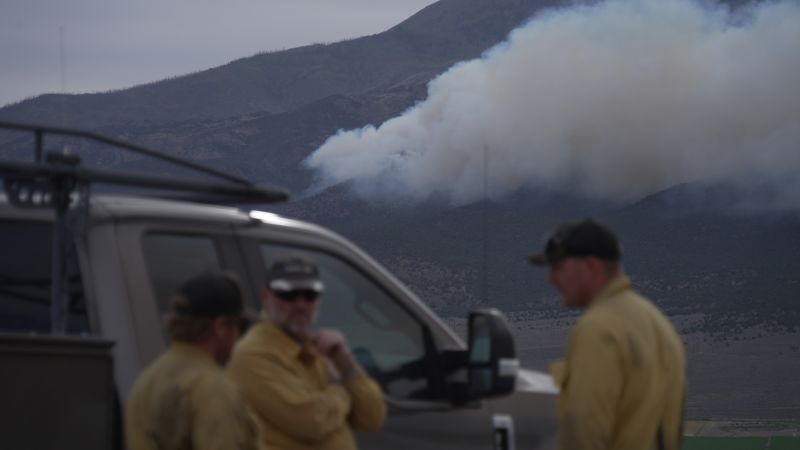
With the fire danger level reaching its peak, Utah, northern Arizona, and eastern Nevada have been classified as “extremely critical,” according to the National Weather Service. This rare designation highlights the unprecedented conditions, where even a single spark can trigger rapid-fire outbreaks. The Cottonwood Fire, now burning through the Fishlake National Forest, has grown to cover over 92,000 acres, disrupting local routines and displacing families. Firefighters are working under extreme pressure, with the majority of this season’s blazes traced to human activity, underscoring the need for heightened vigilance.
Authorities have also issued red flag warnings, signaling a particularly dangerous situation for the first time in the service’s history. These alerts have led to stricter fire regulations, including designated safe zones for fireworks in select areas. While the restrictions may dampen festive spirits, they are seen as essential to preventing further damage. “We’re dealing with a fire environment unlike anything we’ve seen before,” said a fire service analyst, highlighting the challenges faced by emergency responders.
Emotional and Physical Toll on Communities
Residents in regions such as Beaver Mountain are grappling with the devastation of beloved spots, with some mourning the loss of family cabins and recreational areas. “To me, nothing’s more beautiful than Beaver Mountain in the fall,” shared Evan Stapley, whose family’s connection to the area is now threatened by the flames. The rapid spread of the Cottonwood Fire has left many in disbelief, as structures once filled with memories now lie in ruins. “I saw the video and just couldn’t believe it,” Stapley said, expressing the deep sense of loss felt by locals.
Similarly, the Eagle Point Ski Resort has been severely impacted, with several key buildings reduced to rubble. Owner Shane Gadbaw noted the disruption to community life, stating on Facebook, “This fire is more than a disaster—it’s a reminder of how fragile our communities are.” Beyond the physical destruction, the event has disrupted traditional celebrations, forcing evacuations and altering plans for families who had looked forward to the holiday for years.
Firefighting Efforts and Future Outlook
As of Saturday, the Cottonwood Fire remains 0% contained, with over 873 personnel actively working to contain it. Crews are monitoring unpredictable fire behavior, with safety protocols prioritized to prevent casualties. “We always have safety first, and if we sense any risk, we immediately evacuate the team,” explained Alyssa Mason, a spokesperson for the emergency management team. Despite these efforts, the fire’s rapid growth has shifted focus from celebrations to emergency response.
Experts warn that the combination of a historic drought, prolonged dryness, and volatile weather has created ideal conditions for wildfires. “Vegetation is so dry that a match can start a blaze in seconds,” said a fire service analyst. This has prompted state leaders to implement temporary measures, such as limiting fireworks to specific zones, to mitigate risks. While these actions may reduce the festive atmosphere, they are critical in safeguarding communities against further destruction. The exact cause of the Cottonwood Fire is still under investigation, but its impact on Utah’s landscape and culture is already profound.