Why a week of protests pushed: A New Generation Takes Command: Ukraine's Military Leadership Undergoes Transformation Sandego.net – After a turbulent
A New Generation Takes Command: Ukraine’s Military Leadership Undergoes Transformation
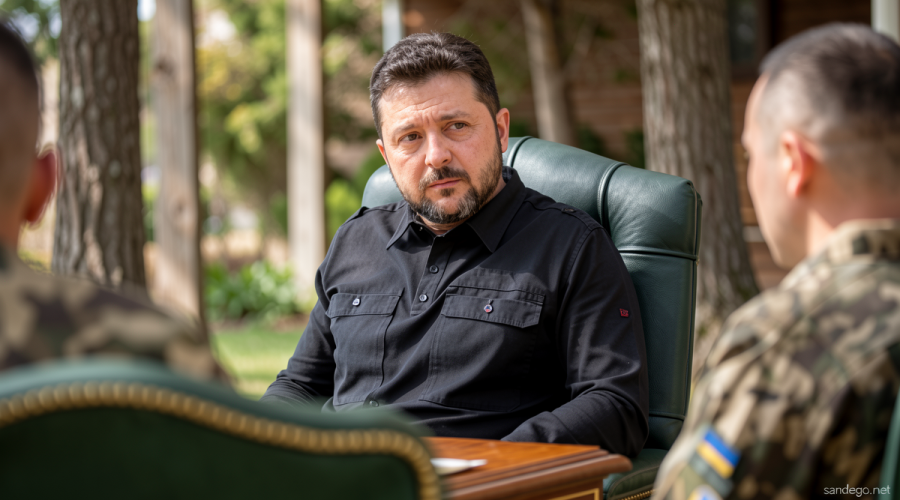
Sandego.net – After a turbulent week marked by public demonstrations, President Volodymyr Zelensky has made a significant personnel decision that signals a generational shift within Ukraine’s armed forces. The appointment of 43-year-old Mykhailo Drapatyi as the new military chief replaces the long-serving 60-year-old Oleksandr Syrskyi, whose Soviet-era approach to warfare had begun to appear increasingly outdated amid rapidly evolving battlefield conditions.
While some might dismiss this change as age-related, the reality is more nuanced. Syrskyi’s replacement reflects deeper strategic considerations about how Ukraine should conduct its war effort. The former commander brought dogged persistence and occasional strategic brilliance to the conflict’s early years, successfully defending Kyiv in 2022 and overseeing the rapid recapture of the Kharkiv region. His leadership also included the surprising 2024 invasion of Russia’s Kursk region, demonstrating Ukraine’s capacity for bold offensive operations.
The Path to Change
Syrskyi’s ascent to the top position followed the disappointing 2023 counteroffensive, during which then-top commander Valerii Zaluzhnyi was relocated to London to serve as Ukraine’s ambassador. Many observers believe the counteroffensive faltered because Syrskyi persuaded Zelensky to pursue simultaneous advances against both Bakhmut in the east and the Zaporizhzhia front in the south. Rather than overwhelming Russian defenses, this dual approach divided Kyiv’s considerable military strength.
Political dynamics also played a crucial role in Syrskyi’s rise. Zaluzhnyi had grown remarkably popular among Ukrainians, with his image frequently appearing on military café walls. Polls consistently showed him far more favored than any other military figure. When battlefield results turned unfavorable, this popularity paradoxically worked against him, making his departure politically expedient.
Now, two years later, a similar pattern has emerged. The recent removal of 35-year-old Defence Minister Mykhailo Fedorov preceded Drapatyi’s appointment. Fedorov, described as a disruptor, had openly challenged Syrskyi regarding military reforms. Zelensky acknowledged becoming an unwilling mediator between the two powerful figures, noting that conducting warfare in such a manner was unsustainable.
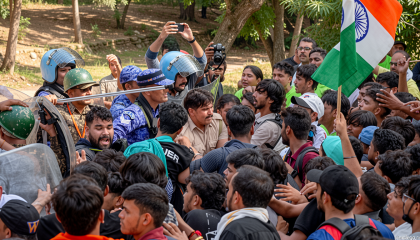
Fedorov’s removal sparked rare street protests across Ukraine, demonstrating his significant public support.
A Technological Revolution
Fedorov’s contributions extended beyond personnel matters. As a pioneer in technology and recruitment, he championed the use of robots, drones, automation, and data analytics to understand why Ukrainian troops suffered casualties. These innovations positioned Ukraine at the forefront of global battlefield technology, even as the country faced severe manpower shortages.
The new commander, Drapatyi, brings extensive frontline experience to his position. Video footage released during his appointment showed him driving an armored vehicle through combat zones, illustrating his hands-on approach to military leadership. This generational alignment—where younger soldiers fight under commanders of similar age—represents a fundamental shift in Ukraine’s military culture.
While drones and robots may not completely replace human soldiers on the frontlines, they offer crucial advantages during this period of regrouping. Moscow still faces the challenge of matching Ukraine’s technological acceleration. As some strategists note, traditional artillery retains value in halting major Russian advances, proving that not all past methods become obsolete overnight.
The cycle of action, protest, and reaction reveals Ukraine’s ongoing struggle to balance innovation with tradition. Whether this new leadership approach will sustain Ukraine’s momentum remains to be seen, but the timing suggests the military is ready for another transformation.
Related SEO Topics
- Home
- Artikel terkait Why a week of protests pushed
- Exclusive: The false claims, chaos and coverups behind the Trump administration’s killing of two American citizens
- New documents detail rape charges against the Tate brothers in the UK. Here’s what we know
- Trump approves deal with Saudi Arabia that could allow kingdom to enrich nuclear fuel
- Tracking the largest cyclosporiasis outbreak in the US
Frequently Asked Questions
What is Why a week of protests pushed?
Why a week of protests pushed is the main topic covered in this article, with practical context to help readers understand the subject clearly.
Why does Why a week of protests pushed matter?
Why a week of protests pushed matters because it helps readers compare options, avoid common mistakes, and make a more informed decision.
How should readers use this Why a week of protests pushed guide?
Use the key points, examples, and related links in this page as a starting point, then review the latest details before making a final decision.