Mid-Winter Miracle: American Expeditioner Saved from Antarctic Depths
Sandego.net – In the heart of the Southern Hemisphere’s winter, an American researcher received life-saving medical care after a harrowing rescue operation transported them from one of Earth’s most remote and hostile environments. The extraordinary mission unfolded during July 2026, when an Australian aviation crew navigated through some of the most severe weather conditions imaginable to retrieve the patient from McMurdo Station, the United States’ primary research facility on the frozen continent.
A Race Against Time and Elements
The emergency began on July 28, when urgent communications were sent requesting immediate assistance for a medical evacuation. The Australian Antarctic Division issued what they described as an urgent request for help, recognizing that the situation required specialized equipment and experienced personnel capable of operating in extreme polar conditions. The patient needed to reach medical facilities in New Zealand, but the journey required crossing thousands of miles of treacherous airspace during the Antarctic winter.
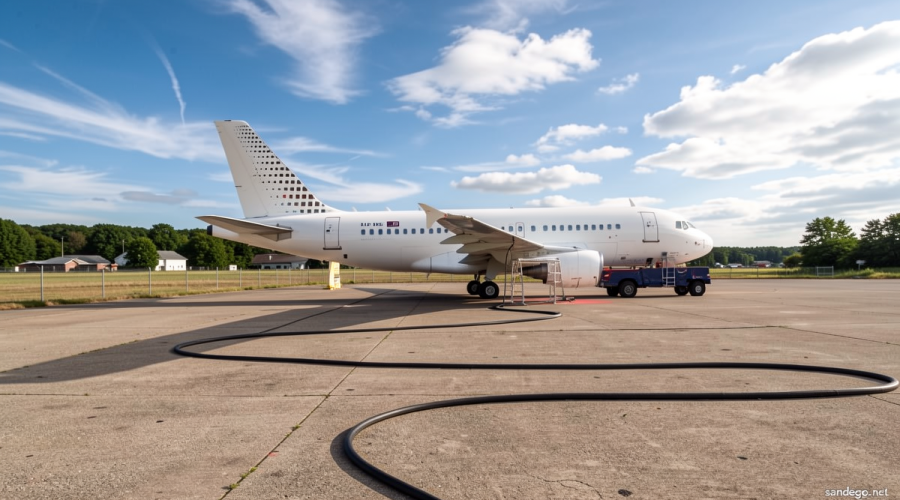
Initial efforts to launch the rescue mission encountered significant obstacles. Severe weather patterns grounded aircraft on July 29, forcing the team to wait for conditions to improve. By July 31, at 2:44 in the morning local time, Skytraders’ Airbus A319 aircraft—dubbed Snowbird 1—finally departed from Australia, beginning what would become an extraordinary journey across the Southern Ocean.
Navigating the Frozen Wilderness
The flight to McMurdo Station covered more than five hours through some of the most challenging aviation conditions on the planet. The aircraft landed in complete darkness with temperatures plummeting to –45.5 degrees Fahrenheit, which equals –43 degrees Celsius. These conditions tested not only the capabilities of the aircraft but also the skill and experience of the entire crew.
Once the patient was safely transferred aboard the aircraft, the team departed Antarctica ahead of deteriorating weather patterns. The journey continued to Christchurch, New Zealand, where comprehensive medical treatment awaited. The patient’s identity has not been publicly disclosed, as Health New Zealand maintains strict privacy protocols requiring family approval before releasing patient information. Skytraders confirmed only that the individual is now recovering well.
The Science of Polar Aviation
Operating aircraft in Antarctic conditions requires specialized knowledge and preparation that extends far beyond standard commercial aviation. Captain Al Wallach, who piloted the rescue mission, emphasized the unique challenges involved. His statement highlighted how winter operations in Antarctica push even the most advanced aircraft to their limits.
Every Antarctic mission demands absolute precision, but winter operations raise the complexity significantly. The conditions we encountered were right on the edge of even the most specialized aircraft capability.
Co-pilot Louise Robertson provided additional insight into the technical aspects of polar flight operations. She explained that most Antarctic runways consist of compacted snow rather than traditional paved surfaces. Specialized grooming equipment must prepare these runways to ensure adequate friction for aircraft braking while maintaining a smooth landing surface.
Most of the runways are just compacted snow, which means that there’s groomers that come out and prepare the runway to make sure it’s got enough friction for the aircraft to be able to stop, and then also that the surface is smooth and clear.
Preparation and Precision
Successful polar missions depend on constant communication with meteorological teams worldwide. These global weather networks help crews track unpredictable atmospheric patterns that can rapidly change conditions in the Southern Ocean region. During winter operations, this coordination becomes even more critical as weather systems move with greater speed and intensity.
The rescue crew conducted thorough preparations before departure, reviewing multiple worst-case scenarios. These included potential power failures at the air strip that would require landing with zero visibility, as well as contingency plans involving extra fuel reserves in case the aircraft needed to return to Australia without landing. The mental demands of cold weather calculations, altitude corrections during approach, and continuous communication between flight crew members created an intense operational environment.
It was a huge amount of concentration and workload, and a lot of mental maths as well, doing cold weather calculations, correcting for the altitude on the approach, and then communication between the flight crew on board.
As the aircraft approached New Zealand, the tension gradually eased. Robertson noted that the relief was palpable once they neared their destination, allowing the crew to relax and appreciate the successful completion of their mission.
International Cooperation in Action
The rescue operation demonstrated the power of international collaboration in emergency situations. Multiple organizations worked together seamlessly, from the Australian Antarctic Division and Skytraders to New Zealand medical facilities and the United States Antarctic Program. This coordinated effort ensured that the American expeditioner received timely medical attention despite the vast distances and challenging conditions involved.
The mission stands as a testament to human ingenuity and cooperation in one of Earth’s most extreme environments. As climate patterns continue to evolve, operations like this rescue mission will become increasingly important for maintaining research capabilities and ensuring the safety of personnel working in polar regions. The successful outcome reinforces the value of specialized equipment, experienced personnel, and international partnerships in addressing challenges that no single nation could manage alone.
Related Reading
Frequently Asked Questions
What is US citizen flown out of Antarctica?
US citizen flown out of Antarctica is the main topic of this guide. The article explains the context, practical details, and next steps readers should understand.
Why does US citizen flown out of Antarctica matter?
US citizen flown out of Antarctica matters because readers are looking for a useful answer, not just a short summary. Good content should match search intent and help them decide what to do next.