Ukraine’s Strikes Bring War Closer to Russians, Sparking Discontent
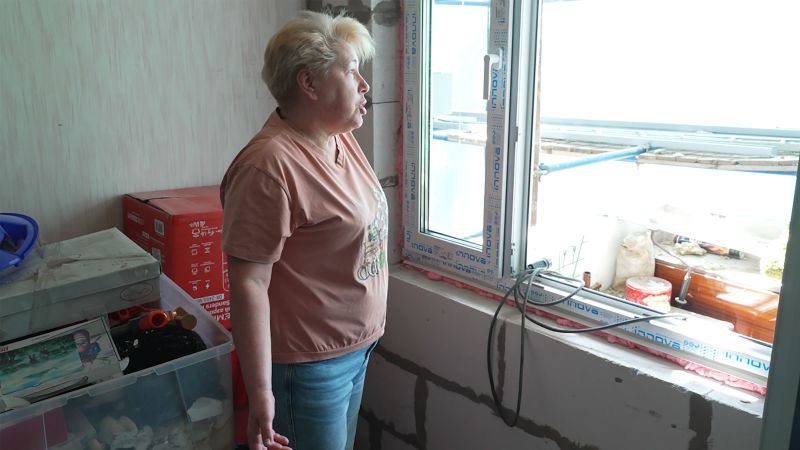
Sandego.net – Ukraine’s deadly strikes are bringing the war into Russian households, disrupting lives once thought insulated from the conflict. For years, the war in Ukraine remained a distant concern for many Russians in major cities, but recent attacks have changed that. Ukrainian drones now strike deep within Russia, including Moscow and St. Petersburg, intensifying fears and stirring growing dissatisfaction among civilians. Elena Vladimirovna, a 56-year-old mother from Zelenograd, described the trauma of her apartment being hit by a drone. “The sound was deafening, like the sky was falling,” she recounted. Her son helped extinguish a fire after the drone collided with a balcony, leaving the building damaged and a sense of vulnerability lingering.
The war’s reach is now felt in Moscow’s suburbs, once considered safe from the fighting. On May 17, over 500 drones were deployed into Russian territory, according to state media, targeting areas like the Moscow region. This marked a turning point, as the strikes killed at least three people and expanded the conflict’s footprint. Elena’s building, in a residential zone, sustained damage across multiple floors but avoided major casualties. “We’re still alive, which matters most,” she said, her tone calm but filled with concern. The incident left visible scars—broken windows and walls still resonating with the echoes of shrapnel.
“Ukraine’s strikes are bringing the war home, and we’re sending a clear message: the Kremlin must end this conflict,” said Ukrainian President Volodymyr Zelensky. The attacks are not just about physical destruction; they aim to remind Russians that the war’s impact is now deeply personal.
As the strikes continue, their psychological toll is growing. The war now disrupts daily life in Russia’s largest cities, where people have grown used to a controlled narrative. Fuel shortages, worsened by Ukrainian attacks on oil refineries, add to the challenges. In Crimea, under Russian control, drivers faced gasoline rationing this week, with long lines at stations and limited supplies. The combination of energy crises and supply chain issues is making Russians confront the true cost of the war, even as they rely on state media for updates.
St. Petersburg Under Fire
The conflict’s reach became evident on June 3 when Ukrainian drones struck St. Petersburg, the second-largest city in Russia and Vladimir Putin’s hometown. The attack, occurring just hours before the Kremlin’s annual economic forum, created a ripple effect of shock. Smoke filled the skies as attendees arrived, their enthusiasm for the event tempered by the reality of the strike. By June 6, the city was on high alert, with residents advised to stay indoors. A Kronstadt resident, near St. Petersburg, described the chaos. “The walls trembled, and the drone’s buzz kept me awake for weeks,” she shared. Even though the targets were military, the fear of civilian casualties was palpable.
Kronstadt, a historic naval base 19 miles from St. Petersburg, symbolizes Ukraine’s ability to strike critical infrastructure far from the frontlines. The two drone attacks on the city have left many questioning whether the war will ever be far from their doorstep. “I hope the next strike doesn’t hit us,” Elena remarked, echoing the shared anxiety of those now living under the war’s shadow.
Public Sentiment Shifts
As the attacks intensify, a growing sense of discontent is emerging. The shrinking economy and restricted internet access are amplifying frustrations. Messaging app limits and surveillance measures have created an atmosphere of isolation, with residents struggling to discuss the war openly. “It feels like we’re trapped in a bubble,” one individual said, fearing more drones could strike soon. These factors are contributing to a shift in public sentiment, with surveys indicating declining support for the war in urban areas.
Ukraine’s strikes are bringing a new reality for Russians, who now experience the war’s consequences firsthand. The psychological impact of these attacks is significant, as the once-distant conflict becomes a daily threat. As the situation evolves, the question remains: will these strikes reshape the narrative of the war, or will they deepen the divide between the Russian people and their government?