For Iran’s Leaders, Surviving the War May Be Easier Than Winning the Peace
Sandego.net – After nearly half a century of cautious brinkmanship, the United States launched an open conflict with Iran in 2026, marking a dramatic escalation in regional tensions. The war, which lasted fifteen weeks, ended with the signing of an interim ceasefire, yet the Islamic Republic’s leaders emerged from the ordeal with a renewed sense of defiance. While U.S. President Donald Trump had already proclaimed Washington’s triumph within days of hostilities beginning, Iran’s survival under the weight of America’s military might underscored its resilience. The regime, however, faces a more complex challenge ahead: transforming wartime endurance into lasting political and economic stability.
The Ceasefire and Its Terms
The recent agreement between the U.S. and Iran, reached over the weekend, brought an immediate halt to hostilities. It also paved the way for the lifting of all sanctions and the unfreezing of Iran’s global assets. Yet, key terms of the ceasefire allowed the Islamic Republic to retain its missile program and continued support for regional allies, including groups in Lebanon, Syria, and Yemen. The deal’s concessions, while notable, did not extend far beyond Iran’s prewar proposals. Tehran reaffirmed its commitment to not developing nuclear weapons, pledged to dilute nearly weaponized uranium, and agreed to reopen the Strait of Hormuz—actions that signaled a pragmatic approach to ending the conflict.
“For the Islamic Republic and its supporters, there is this strong sense of confidence that they took the biggest blows America and Israel can give them and were left standing and are getting concessions,” said Sina Toossi, a senior non-resident fellow at the Center for International Policy (CIP).
The ceasefire, though a victory for Iran’s leaders, was not without compromise. The regime’s ability to survive the war—despite relentless attacks and economic strain—was bolstered by its strategic use of the Strait of Hormuz. By effectively closing the vital waterway, Iran triggered a global oil supply crisis, demonstrating its capacity to wield asymmetric power against a superpower. This move, experts argue, cemented the regime’s belief in its strength, even as the war itself ended in a draw.
Leadership Shifts and Political Realignment
Amid the chaos of war, Iran’s hardline factions solidified their grip on power. The regime’s leaders, emboldened by their survival, doubled down on aggressive posturing, firing missiles at neighboring countries and rejecting temporary truces. This assertive stance highlighted a deepening divide between the nation’s military and political elites, who now view their wartime actions as the key to securing international recognition. Mojtaba Khamenei, the son of Supreme Leader Ayatollah Ali Khamenei, was recently appointed to succeed his father, a deliberate choice to signal continuity and defiance of the Islamic Republic’s traditional aversion to hereditary rule.
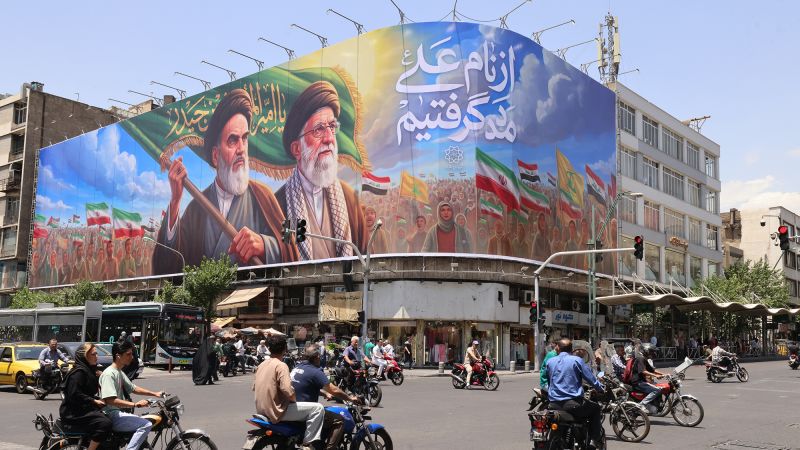
Despite the ceasefire, the moderate president, Masoud Pezeshkian, remains constrained in his ability to govern. His reformist allies have been sidelined, with some reportedly under house arrest. The war’s conclusion has shifted the balance of power within Iran, allowing hardliners to consolidate control and reshape the political landscape. Daily rallies across the country have since celebrated the regime’s survival, reinforcing its legitimacy in the eyes of the public. However, this momentum may not be enough to ensure long-term stability.
“They (the regime) have more confidence and probably more support because they’ve survived the war and have a sufficiently loyal base,” said Sanam Vakil, director of the Middle East and North Africa Programme at London’s Chatham House think tank.
While the regime’s resilience has been a point of pride, experts warn that its wartime success may not translate into economic or social gains. The ceasefire, though beneficial, has not addressed the underlying structural issues that plagued Iran during the conflict. The country’s military and economic strategies, which included asymmetric warfare and a focus on regional dominance, have prepared it for prolonged struggles. Yet, these tactics have not yet alleviated the domestic challenges that persist, including inflation, unemployment, and a dwindling population of supporters.
Unresolved Challenges and Future Uncertainty
Iran’s leaders are now tasked with converting their perceived victory into tangible benefits for the population. The war’s end has not resolved the regime’s economic woes, and without significant sanctions relief, its ability to sustain growth remains in question. The military’s triumph has come at a cost: the country’s energy exports were disrupted, and its financial reserves were drained. Analysts suggest that unless the regime can deliver real economic recovery, its political authority may face renewed scrutiny. The ceasefire, while a temporary reprieve, could become a battleground for competing visions of Iran’s future.
The war also exposed the limits of Iran’s diplomatic leverage. Despite its efforts to negotiate, the regime’s concessions were limited, and its defiance toward the U.S. and Israel continued. This refusal to compromise has alienated some domestic factions, yet it has also galvanized others. The Islamic Republic’s leaders, having weathered the storm, now project an image of invincibility. However, this confidence may wane if the ceasefire fails to deliver on its promises. The regime’s ability to maintain its grip on power will depend on its capacity to address the discontent that has grown among the Iranian people.
In the aftermath of the conflict, daily life in Iran has continued, albeit under the shadow of its most severe existential threat in four decades. The military’s resilience, coupled with the government’s ability to maintain order, has allowed society to function despite hardship. Yet, this stability is fragile. The war’s end has not erased the deepening divide between Iran’s leadership and its citizens, nor has it resolved the tensions with its regional adversaries. As the nation moves forward, the question remains: will the regime’s survival in the war lead to peace, or will it only deepen the challenges it now faces?
Iran’s military and economic strategies, which prioritized resilience over compromise, have proven effective in the short term. However, their long-term success hinges on the regime’s ability to balance its aggressive foreign policy with domestic needs. The war’s conclusion has not only left Iran with a renewed sense of purpose but also with a complicated path ahead. The regime must now navigate the delicate task of converting its wartime experience into a foundation for peace, ensuring that its victories in conflict translate into stability and prosperity for its people.
The coming months will be critical for Iran’s leaders. While they have demonstrated their ability to withstand external pressure, the true test lies in their capacity to restore public confidence and economic vitality. The ceasefire may have ended the fighting, but the struggle for the regime’s survival—and its ability to secure lasting peace—remains far from over.