Two Merchant Ships Sink as Strait of Hormuz Risks Intensify
Sandego.net – Commercial shipping in and around the Strait of Hormuz faces a sharper new threat after two cargo vessels sank within 24 hours of one another following separate projectile strikes. The incidents underline how rapidly the security situation has worsened in one of the world’s most strategically important maritime corridors, as Iran increases pressure on vessels moving through the waterway.
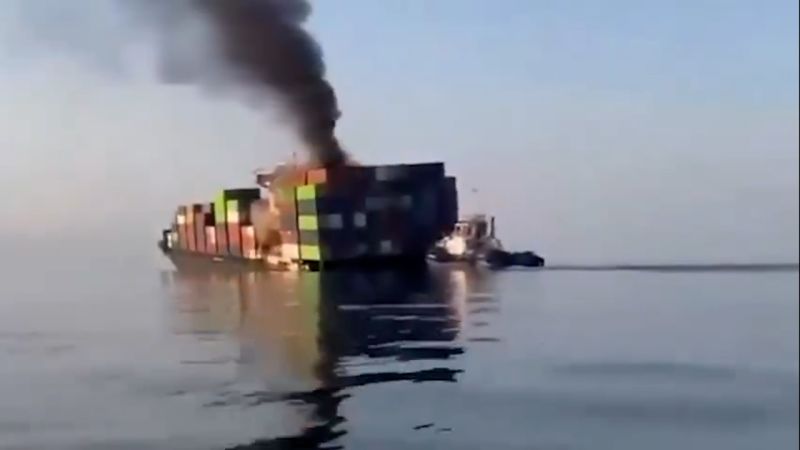
The Singapore-registered container ship GFS Pride was struck Tuesday while navigating the strait. The vessel caught fire before later going down. Singapore’s Maritime and Port Authority said every crew member was evacuated safely.
Verified video from the scene showed thick black smoke rising from the ship as it began taking on water. Later imagery showed containers and other cargo floating nearby, along with a small oil slick. Iranian state broadcaster Press TV said the vessel had struck a sea mine while using an unauthorized route, though maritime specialists have questioned that explanation and consider a drone strike more plausible.
A second merchant vessel, the Antigua and Barbuda-flagged Cape Dao, also sank. International Maritime Organization data listed the loss Wednesday, weeks after the ship was first hit by a projectile on September 23. One Indian crew member died in that attack.
A major escalation for commercial vessels
Many ships have been targeted in the Strait of Hormuz during the conflict involving Iran this year, but the GFS Pride and Cape Dao represent only the second and third merchant vessels known to have sunk in the Middle East since the war began in February. Their loss raises the stakes for crews, shipowners, insurers and governments whose trade depends on safe access through the Gulf.
The strait is a narrow route linking the Persian Gulf with the Gulf of Oman and wider global markets. A disruption there can quickly affect crude oil supplies, freight schedules and fuel costs far beyond the region. Even when ships are not sunk, attacks and threats can force operators to delay voyages, change routes or reduce cargo movements.
Security incidents have climbed markedly since late September. The United Kingdom Maritime Trade Operations service has recorded nine attacks in or near the Strait of Hormuz since Monday, including a drone strike against a tanker. The concentration of incidents reflects the danger facing commercial traffic attempting to maintain regular passage.
Oil movements have already fallen dramatically. Kpler maritime tracking figures showed that only 4.147 million barrels successfully passed through Hormuz on Monday, less than one-quarter of the volume seen before the war. Its seven-day average also indicates a steep decline in flows since early October.
Reduced oil shipments from the Middle East have helped push up prices internationally. That has placed additional political pressure on US President Donald Trump as midterm elections draw closer, with gasoline costs, tariffs and broader household expenses prominent concerns for voters.
“The sinking of Singapore-flagged GFS PRIDE marks a dangerous escalation after weeks of near-daily attacks on commercial shipping. Iran claims a naval mine; but a drone strike is more likely,” said former US Navy officer Charlie Brown, also a senior adviser for United Against Nuclear Iran, a nonprofit that tracks and reports on Iranian sanctions violations.
“Many ask what response will the US Navy mount to Iran’s escalating attacks on global shipping,” he added. “But the real question is what response will other nations take? How long will the world tolerate this threat to shipping, seafarers and freedom of navigation?”
Iran seeks to restore leverage over the waterway
The attacks come after Iran appeared to lose some of its earlier ability to constrain traffic through the strait. The US military continues to enforce a blockade of Iranian ports as part of efforts to sustain economic pressure on Tehran. Iran’s economy has suffered heavily, while oil exports from other Gulf states had recently risen close to normal levels.
Part of that recovery in traffic has been linked to a complicated system of nighttime transits supported by US military escorts. Tankers involved in these movements switch off their transponders to reduce the chance of detection while crossing the strait.
That improved movement of Gulf oil appears central to Iran’s renewed campaign of threats and attacks. By making passage increasingly hazardous, Tehran may be trying to recover the influence it once exercised over shipping through Hormuz at a time when American political pressure is especially acute.
The Trump administration has pursued other options intended to curb fuel costs. Last week it announced a disputed arrangement to ease some sanctions on Russia in order to import a comparatively limited volume of Russian diesel. The move has drawn criticism from both parties, while analysts have cautioned that diesel prices could still approach record levels by November.
For mariners, the immediate concern remains physical safety. The safe evacuation from GFS Pride prevented further loss of life, but the death of the Indian sailor aboard Cape Dao illustrates the human cost of attacks on civilian shipping. The latest sinkings also leave shipping companies facing a difficult calculation: continue voyages through a vital route under growing danger, or accept the economic consequences of disruption.
As attacks continue, the Strait of Hormuz remains more than a regional flashpoint. It is a critical artery for global energy trade, and each new strike carries consequences for crews at sea, oil markets and consumers far from the Gulf.
Related Reading
Frequently Asked Questions
What is Two cargo ships sunk in Strait?
Two cargo ships sunk in Strait is the main topic of this guide. The article explains the context, practical details, and next steps readers should understand.
Why does Two cargo ships sunk in Strait matter?
Two cargo ships sunk in Strait matters because readers are looking for a useful answer, not just a short summary. Good content should match search intent and help them decide what to do next.