Teenager Dies After Being Thrown from Horse-Drawn Carriage in NYC’s Central Park
Sandego.net – On Wednesday, a 18-year-old teenager lost his life after being thrown from a horse-drawn carriage in New York City’s Central Park. The incident occurred shortly before 3 p.m., with the young man sustaining severe injuries during the accident. According to the New York Police Department, the teenager was among four passengers in the carriage when the horse suddenly bolted from its driver, causing him to be flung to the ground. Emergency responders rushed him to a hospital, where he was initially treated in critical condition.
Horse-Drawn Carriage Industry Faces Scrutiny
The Transport Workers Union, which represents employees in the carriage industry, provided additional context about the horse involved. A representative for the union noted that the animal had been in the park for only six weeks, raising questions about its adaptability to the bustling environment. Alexander Kemp, the administrative vice president of the union’s local chapter, explained that the driver had dismounted to take a photograph of the passengers. “A driver is not supposed to leave the carriage to take photos — ever,” Kemp said, emphasizing the standard protocol. The union expressed support for a full investigation into the incident, which has sparked renewed debate over the safety of the carriage industry.
“
A driver is not supposed to leave the carriage to take photos — ever,” Kemp said. “We support a full investigation.”
Video Evidence Highlights Chaotic Scene
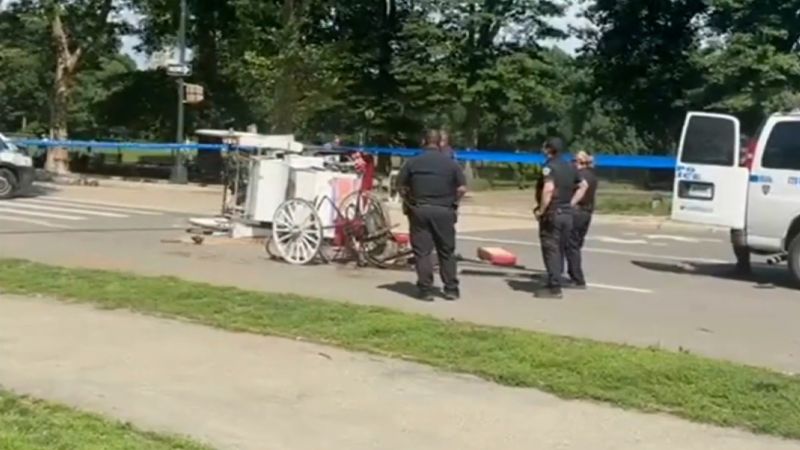
Video footage captured the chaotic moment, showing the horse sprinting through the park as two individuals appeared to leap from the four-wheeled carriage. A second clip displayed the carriage overturning after colliding with the wheels of another carriage on the park’s busy loop. These visuals have intensified public concern over the risks associated with horse-drawn transportation. The incident marks another troubling episode for the 150-year-old industry, which has long been a symbol of New York’s cultural heritage but is now under increasing pressure from advocates for change.
Conservancy Calls for End to Horse Carriage Rides
The Central Park Conservancy, the nonprofit organization responsible for managing the park, has taken a firm stance in favor of banning horse-drawn carriages. The group previously endorsed the measure last summer, citing concerns about the inhumaneness of the practice and its potential hazards to city residents. A recent statement from the Conservancy highlighted the back-to-back nature of the incidents, including the fatal collapse of a horse just days earlier, as evidence of the industry’s growing risks. “That this frightening situation is just days after the previous one underscores the dangers posed by horse carriages to Park visitors, carriage drivers, and the horses themselves,” the statement read. “We hope today’s injuries are the last we ever see.”
“
That this frightening situation is just days after the previous one underscores the dangers posed by horse carriages to Park visitors, carriage drivers, and the horses themselves,” the group said in a statement. “We hope today’s injuries are the last we ever see.”
Historical Context and Growing Opposition
While horse carriages have been a staple of Central Park for over a century, their continued operation has become a flashpoint in a broader conversation about tradition versus modern safety standards. The industry, which relies on a combination of skilled drivers and well-trained horses, has faced criticism for its perceived impact on animal welfare. Opponents argue that the constant movement through the park, often at high speeds, can lead to stress and physical harm for the equines. Additionally, the risk of accidents involving pedestrians and other carriage operators has drawn comparisons to urban traffic hazards.
The recent tragedies have galvanized supporters of the ban, with some calling for stricter regulations or complete replacement of the horse-drawn system. The Central Park Conservancy has been at the forefront of this movement, advocating for a shift to more sustainable transportation options. However, industry defenders maintain that the carriages provide an essential cultural experience and are generally safe when operated properly. They also point to the careful selection and training of horses as a key factor in minimizing risks.
Ongoing Challenges for the Carriage Industry
The incident has exposed vulnerabilities in the carriage industry’s practices, particularly during high-traffic times in the park. With thousands of visitors flocking to the area daily, the potential for collisions and sudden movements is heightened. The driver’s decision to dismount for a photo, while seemingly harmless, may have contributed to the accident by leaving the carriage unattended at a critical moment. This raises questions about the balance between preserving the charm of the rides and ensuring passenger safety.
Local officials and animal welfare groups have used the tragedy to push for immediate action. Some argue that the ban should be expedited, while others call for a phased transition to allow the industry time to adapt. The New York Police Department has launched an investigation to determine the exact cause of the horse’s sudden bolt, including whether the animal was properly trained or if there were mechanical issues with the carriage. Meanwhile, the incident has reignited discussions about the role of the carriage industry in shaping the park’s future.
As the investigation continues, the community remains divided. For many, the horse-drawn carriages are a cherished part of New York’s history, offering a romantic and nostalgic experience. For others, the growing number of accidents has made it clear that the system must evolve. The death of the teenager serves as a stark reminder of the potential consequences of the current practices, forcing all sides to reconsider their positions in the ongoing debate over the future of Central Park’s iconic horse-drawn rides.