She’s a Gift: Epstein’s Fashion Ties and Exploitation of Young Women
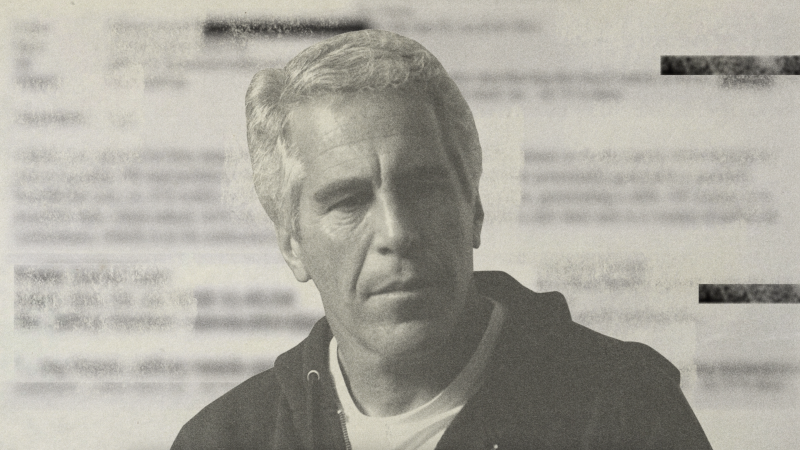
Sandego.net – Epstein’s reputation as a “gift” to the fashion world was built on his ability to connect with modeling scouts and industry insiders, all while maintaining a facade of legitimacy. Newly released Department of Justice files reveal how his network of contacts, including agents and recruiters, facilitated his access to underage girls. These individuals, often described as “ready for next year” or “willingness to travel,” became unwitting participants in a system that prioritized opportunity over protection. The emails highlighted in the documents underscore how Epstein leveraged his influence to draw young women into his orbit, using terms like “best girl” to mask his predatory intentions.
Epstein’s Financial and Professional Incentives
Epstein’s relationships with the fashion world were mutually beneficial, according to the DOJ records. He offered financial support, professional introductions, and assistance with U.S. visas, which helped young models gain entry into the industry. In return, scouts and agents provided him with access to promising talent. This arrangement, which began years before his 2008 conviction, allowed Epstein to operate with relative ease, even as allegations of sexual abuse mounted. The documents suggest that some insiders continued to collaborate with him post-conviction, further embedding his exploitation within the fashion ecosystem.
From Scouts to Predators: The Role of Key Figures
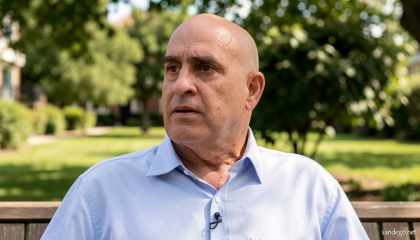
Among those entangled in Epstein’s web was Daniel Siad, a model scout who arranged meetings between the financier and young women. Siad claimed he had no reason to doubt Epstein’s intentions, citing the financier’s assurance that he had already paid for his crimes. “This would never happen with anybody I introduced to him,” he stated, believing Epstein was a “professional person.” However, the DOJ files reveal a duality in his actions—while some emails contained overt sexual references, others focused on professional opportunities, making it easier for Epstein to blend exploitation with career advancement.
“I never heard anything from anyone I introduced to him who came back to me that they had a bad situation,” Siad said. “I believed this guy is a professional person.”
Epstein’s influence also reached high-profile figures like Jean-Luc Brunel, a French modeling agent accused of abuse by one of his victims. Brunel, who died by suicide in a Paris prison in 2020 after being arrested on rape charges, denied the allegations. Other insiders linked to the DOJ records have not been formally accused but maintain they were unaware of Epstein’s crimes. Many cited their belief in his legitimacy, thanks to his financial ties to Les Wexner, the former owner of Victoria’s Secret, whom Epstein had previously managed.
Advocates like Sara Ziff of the Model Alliance argue that Epstein’s connections were a “front for trafficking,” allowing predators to operate with impunity. She emphasized that the fashion industry’s glamor often masked exploitation, with some insiders viewing it as a way to elevate their careers. “In some cases, the modeling industry is just a front for trafficking,” Ziff stated. “I think that happens at the highest levels of business.” Her words highlight the systemic nature of the issue, where financial benefits overshadowed the risks of abuse.
The investigations into Epstein’s network continue, with lawmakers and officials scrutinizing how the fashion world enabled his activities. In Paris, a criminal probe has been launched, examining records related to Siad and others. Two former models who accused Epstein have spoken to investigators, though Siad has denied any wrongdoing. These efforts aim to hold the industry accountable for decades of neglect in protecting young models from sexual exploitation. The case underscores how the term “She’s a gift” was not just a label for talent but a tool to justify Epstein’s predatory behavior.