Aviation Safety Reminder: Leave Baggage Behind During Emergencies
Sandego.net –
Recent concerns over passenger behavior during aircraft emergencies have prompted a renewed push for compliance with evacuation protocols. The International Air Transport Association (IATA) has launched a safety initiative to reinforce the importance of following crew instructions without delay. This effort underscores the need for passengers to prioritize their safety and the safety of others by relinquishing personal belongings and moving swiftly toward the nearest exit.
Passengers Ignoring Instructions Pose Risks
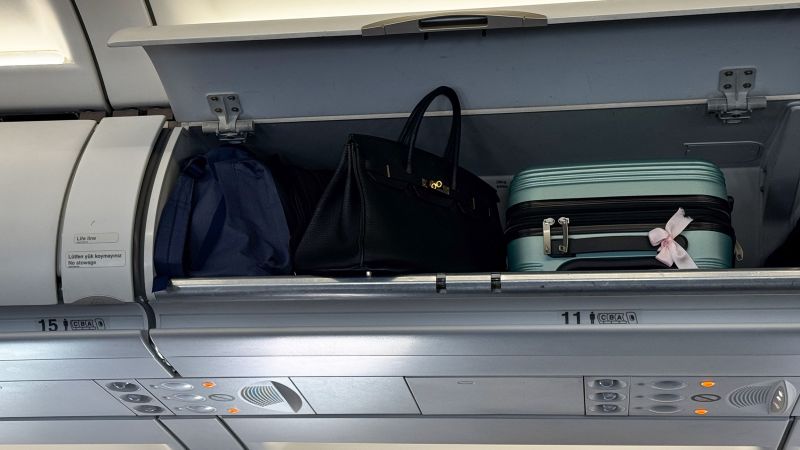
Industry leaders have noted a troubling trend of travelers hesitating to abandon their luggage when ordered to evacuate. Online footage has highlighted instances where passengers stop to collect bags or record the evacuation process, often slowing the process significantly. The IATA warns that retrieving items from overhead compartments can cost precious seconds, which may be critical in life-threatening situations. Additionally, carrying suitcases or other items during an emergency can increase the risk of falls or damage to inflatable slides.
“Safety is a shared responsibility, and informed, attentive passengers help ensure a faster, safer evacuation for everyone on board,” said Bryan Bedford, a representative from the Federal Aviation Administration, in an IATA statement. While such incidents are not common, they can have severe consequences. For example, in one case, a traveler attempting to secure a bag during an evacuation caused a delay that impacted the entire process.
Security Breaches Highlight Need for Vigilance
Amid these evacuation reminders, another set of safety alerts has emerged from recent aviation security incidents. A former Air Canada pilot is under criminal investigation for operating flights with a counterfeit license for nearly 17 years. Canadian authorities revealed the case on Tuesday, stating that the pilot had misled passengers and crew for an extended period.
This incident follows a similar breach at a Houston airport last month, where a 25-year-old man bypassed security checks using a suspected fake boarding pass. He was eventually caught hiding in the plane bathroom. Such lapses in security, though rare, demonstrate the importance of maintaining strict protocols.
Additionally, there have been two reported attempts to enter the cockpit of commercial aircraft in the United States this month. These incidents, which occurred on separate flights to Chicago and Minneapolis, highlight vulnerabilities in current security measures. Experts emphasize that while no one has successfully stormed a cockpit since the September 11, 2001 attacks, proactive steps are necessary to prevent future threats.
Family-Friendly Airport Policies
Some US airports are reviving a 20th-century practice to better accommodate families. The policy allows nonticketed guests to accompany loved ones through security and to the gate, even without a plane ticket. Seattle-Tacoma International Airport has led this initiative for the longest time, but now 21 domestic airports have adopted similar programs.
These measures aim to keep families together for extended periods, reducing the stress of last-minute separations. However, the same continent is facing a different challenge: Europe’s largest airline is under scrutiny for charging parents to sit with their children. The UK’s competition watchdog is examining whether this practice violates consumer laws by imposing unfair fees.
Interestingly, traveling with young children is not always a disadvantage in Europe. In Sardinia, for instance, a unique rule has been implemented at one of the island’s busiest beaches: umbrellas are banned for individuals aged 10 to 65. Authorities cite emergency safety as the primary reason for the ban, but critics argue that sun protection and skin cancer prevention should also be considered.
Unexpected Rescue Sparks Hope
Meanwhile, a heartwarming story of survival has captured attention in England. A German Shepherd named Bruce was found drifting miles out to sea in an inflatable kayak after being swept away by a powerful wave. The dog’s owner, who had boarded a sightseeing boat, was reunited with the animal after a daring rescue operation. Bruce’s owner confirmed that the dog is now “safe and sound” following the incident.
This tale of a canine hero underscores the unpredictable nature of travel emergencies. It also serves as a reminder that even in the most unlikely scenarios, quick action and preparedness can lead to positive outcomes.
Global Travel Highlights
In a separate update, the culinary capital of South America has been named the world’s best city for food. The announcement highlights the growing influence of gastronomic destinations and invites readers to explore if their favorite cities made the list.
Additionally, a private island in the Venice lagoon has entered the market for $28 million. The Swarovski family trust, known for its luxury brands, is offering the island as a unique investment opportunity. This sale includes a global tournament, a flesh-eating parasite, and an iconic church as part of the package.
The week’s events also featured an unexpected twist: a man declared a new country governed by artificial intelligence. While the declaration is still in its early stages, the founder expressed uncertainty about its long-term success.
These stories, spanning safety alerts, security breaches, and unusual travel developments, illustrate the dynamic and ever-changing nature of the aviation and travel industries. From emergency protocols to the challenges of securing passengers, the sector continues to adapt to new threats and opportunities.
As travel continues to evolve, the importance of staying informed and following guidelines remains paramount. Whether it’s leaving baggage behind, ensuring secure boarding, or enjoying the best food city in the world, every step contributes to a safer and more enjoyable journey.