Armenian PM Claims Election Win, Seeks to Accelerate Pivot from Russia
Election Outcomes and Political Shifts
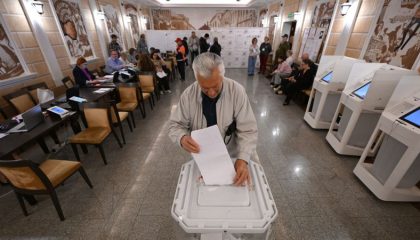
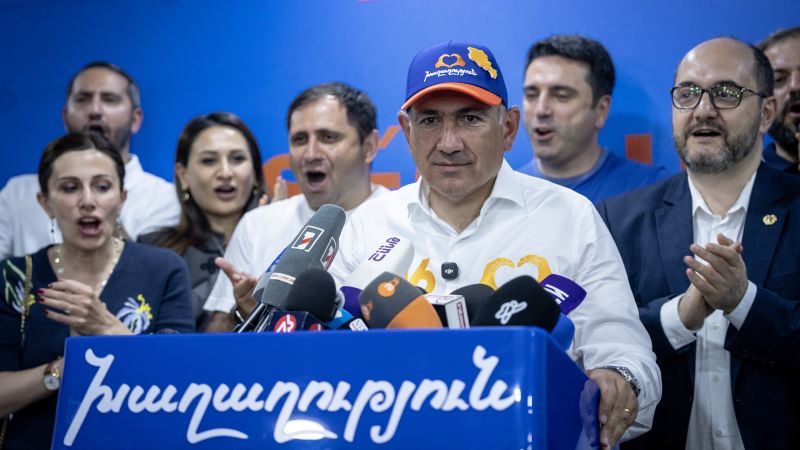
Sandego.net – Armenian Prime Minister Nikol Pashinyan asserted his election victory, positioning himself to expedite a strategic shift away from Russia. The Central Election Commission announced results of the parliamentary elections, signaling a pivotal moment for the nation’s political direction. Civil Contract, Pashinyan’s party, secured 49.81% of the vote, according to Reuters. This outcome supports his vision of reducing dependence on Moscow and pursuing closer ties with Europe. However, the opposition Strong Armenia party did not achieve a decisive majority, complicating the path to implementing his reform agenda. The results reflect a complex balance between Pashinyan’s aspirations to pivot westward and the lingering influence of Russia in Armenian politics.
Pashinyan’s campaign emphasized a realignment with European institutions, aiming to enhance economic and political cooperation. His administration has prioritized initiatives such as hosting the first EU-Armenia summit in months, highlighting the country’s growing interest in diversifying its international alliances. The prime minister also sought to strengthen relations with Turkey, a move that further underscores his commitment to a pivot away from Russia. Trump’s endorsement added momentum to these efforts, with his post on Truth Social stating, “With Nikol’s help, we will bring the United States, Armenia, the South Caucasus, and Central Asia to greater heights than ever before.” This support signals a broader Western push to engage Armenia in regional diplomacy.
Geopolitical Tensions and Russian Response
Russia has interpreted Pashinyan’s electoral success as a challenge to its regional dominance. In the run-up to the vote, Moscow imposed import restrictions on Armenian goods, including fruits, flowers, and spirits, to exert economic pressure. These measures, described as “nothing short of economic coercion,” aim to discourage Armenia from moving closer to European partners. Putin’s remarks before the election echoed this sentiment, drawing a parallel between Armenia’s potential shift and Ukraine’s EU aspirations. “We are currently living through everything that is happening in respect of Ukraine,” he noted, suggesting that Moscow sees Armenia’s pivot as a precursor to broader geopolitical changes in the South Caucasus.
Armenia’s recent military setback in the 2023 conflict with Azerbaijan has intensified its desire to reduce reliance on Russia. The loss of Nagorno-Karabakh and the displacement of over 100,000 Armenians exposed vulnerabilities in the country’s security framework. In response, Pashinyan’s government suspended participation in the Russian-led Collective Security Treaty Organization, signaling a more independent stance. This decision aligns with his broader goal of repositioning Armenia as a bridge between Europe and the region, while also addressing domestic concerns over economic stability and security.
The election results have not only bolstered Pashinyan’s domestic position but also opened new diplomatic avenues. His administration’s focus on meeting EU accession criteria requires substantial economic reforms, which could attract foreign investment and modernize Armenia’s infrastructure. Additionally, securing a peace deal with Azerbaijan remains a top priority, with Pashinyan’s government committed to negotiations despite ongoing tensions. The prime minister’s early declaration of victory, even before final vote tallies were confirmed, suggests confidence in his ability to drive these changes. Yet, the lack of a two-thirds majority may hinder his ability to enact sweeping reforms without coalition support.
Despite the challenges, Pashinyan’s efforts to pivot westward have gained traction. The Trump Route for International Peace and Prosperity (TRIPP) initiative exemplifies this shift, with the U.S. potentially securing exclusive rights to a critical transportation corridor through Armenia. This corridor could enhance trade and connectivity between Europe and Central Asia, further solidifying Armenia’s role as a regional hub. Meanwhile, Moscow’s economic sanctions and political warnings serve as reminders of the delicate balance between Armenia’s aspirations and its historical ties to Russia. As Pashinyan navigates this complex landscape, the success of his pivot will depend on both domestic unity and international collaboration.