California Moves to Safeguard Pacific Coast Highway Ahead of El Niño Winter
Sandego.net – California is preparing for a potentially volatile winter by focusing new state attention on one of its most recognizable coastal routes: Pacific Coast Highway. Gov. Gavin Newsom is set to sign an executive order Tuesday aimed at protecting Highway 1 from storm impacts linked to a major El Niño event.
The action follows Newsom’s Sept. 21 emergency declaration, which made additional resources available for preparations as California faces what forecasters expect could be the strongest El Niño to affect the state on record. The coming months could bring repeated coastal hazards, including strong winds, intense rain, large surf and unusually high tides.
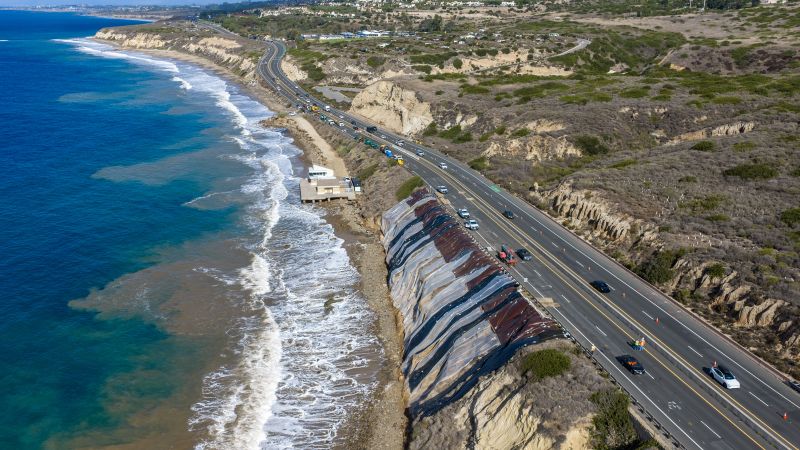
Those risks are especially important along California’s shoreline, where transportation infrastructure often runs close to cliffs, beaches and unstable slopes. Highway 1 is both a heavily traveled route and a vital connection for many coastal communities, supporting daily travel, emergency response, deliveries and visitor access.
A Task Force for Highway 1
Under the executive order, state transportation and natural-resources agencies will lead a new Highway 1 task force. Its work will include readiness planning for approaching coastal storms as well as efforts to address the longer-term effects of climate-related threats on the roadway.
The initiative is intended to reduce danger before severe weather arrives rather than responding only after road damage or closures occur. That approach reflects the challenges faced by coastal transportation corridors, where erosion and high surf can quickly undermine pavement, slopes and nearby infrastructure.
“Highway 1 is more than our nation’s most iconic roadway. It keeps our coastal economy moving,” Newsom said in a statement. “It gets people to work, children to school, goods to local businesses, first responders where they’re needed, and visitors to our legendary beaches.”
Closures along the route can affect far more than sightseeing travel. When segments become impassable, residents and businesses may face longer trips, disrupted deliveries and reduced access to essential services. Emergency crews can also encounter more difficult routes when storms damage roads in isolated coastal areas.
“We know what repeated closures cost these communities, and we’re putting state agencies to work now to reduce the danger before storms hit,” Newsom said.
Why El Niño Raises Coastal Concerns
El Niño is a naturally occurring climate pattern marked by warmer-than-usual waters in the tropical Pacific Ocean. It also involves shifts in winds and precipitation near the equator. Its influence can extend well beyond the Pacific, altering weather conditions in many parts of the world.
The climate cycle can be associated with very different outcomes depending on location. Some areas may experience flooding, while others can face drought. A powerful El Niño does not guarantee that every related weather event will be more intense, but it can raise the likelihood of extreme conditions occurring.
For California, one of the most significant possibilities is a series of moisture-rich storms reaching the state. Such systems can combine heavy rain with damaging winds and large ocean waves. Along the coast, that mix can place particular strain on roads and rail lines built near the water.
High surf has already contributed to erosion along scenic portions of Highway 1. When tides are elevated and waves repeatedly strike the coast, the damage can worsen. Erosion may weaken the land supporting a roadway, and in severe cases, transportation routes can become unsafe for travel.
The concern is not limited to an individual storm. Repeated events can compound damage, particularly where a previous period of wave action or rainfall has already destabilized coastal terrain. Preparing equipment, coordinating agencies and identifying vulnerable locations before conditions deteriorate can help officials respond more quickly if closures or repairs become necessary.
Broader Preparation for Flooding and Infrastructure Risks
Newsom is also expected to sign a separate executive order expanding on the September emergency proclamation. That measure is designed to help communities prepare before storms arrive by giving state agencies additional tools to lower flood threats and shield critical infrastructure from possible El Niño impacts.
Flood preparation can involve a broad range of needs, from protecting transportation links to reducing the vulnerability of essential facilities. Heavy rainfall can create hazards far from the coast as well, particularly where water moves rapidly through drainage systems, rivers and low-lying areas.
The two orders place Highway 1 within a wider statewide effort to prepare for a storm season that could test California’s infrastructure. While the exact impacts of El Niño-related weather will vary by location and storm, the administration’s actions are intended to improve readiness before the most severe conditions develop.
For people who live, work or travel along the coast, the message is that conditions may change quickly during periods of strong surf and heavy rain. The state’s focus on Highway 1 recognizes the route’s role in connecting communities while highlighting the growing difficulty of maintaining transportation access along an exposed and changing coastline.
Related Reading
Frequently Asked Questions
What is Newsom to sign order protecting Pacific?
Newsom to sign order protecting Pacific is the main topic of this guide. The article explains the context, practical details, and next steps readers should understand.
Why does Newsom to sign order protecting Pacific matter?
Newsom to sign order protecting Pacific matters because readers are looking for a useful answer, not just a short summary. Good content should match search intent and help them decide what to do next.