
Defense Counsel Signals Openness to Plea Bargain After Mistrial in Lindsay Clancy Case
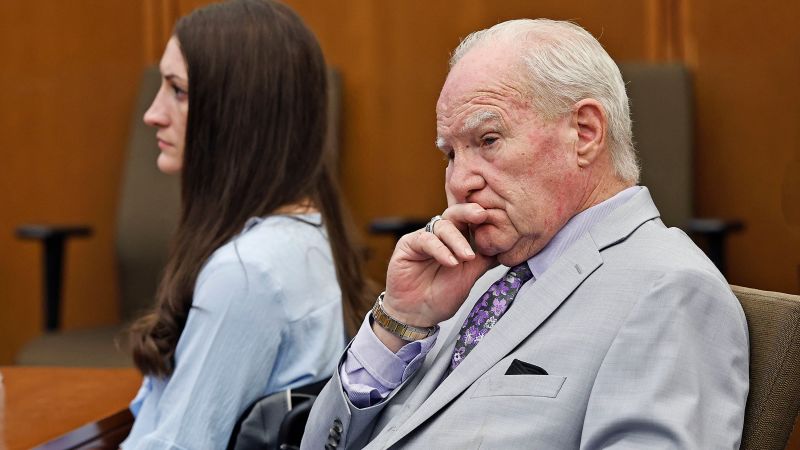
Sandego.net – The attorney representing Lindsay Clancy, the Massachusetts mother charged with fatally strangling her three young children, indicated on Tuesday that he would entertain a negotiated resolution with the prosecution rather than face another full trial. Speaking on ABC’s “Good Morning America,” Kevin Reddington laid out his client’s path forward following the jury deadlock that ended the first trial in a mistrial earlier that week.
Reddington framed his position as one of mutual respect and practical problem-solving. He described a long personal history with Plymouth County District Attorney Timothy Cruz, noting the two have known each other for three decades. That familiarity, he argued, created a foundation for constructive dialogue even after a trial that consumed weeks of courtroom time and drew intense national attention.
“I’m willing to listen to Tim. I’ve known Tim for 30 years. He’s a very hard-charging prosecutor, a conservative gentleman,” Reddington said. “I hope, however, after sitting through this trial and seeing the evidence that was presented from the government, as well as from the defense, that he would revisit that issue.”
The district attorney’s office had not yet announced whether it would seek a retrial. Cruz, speaking after the mistrial was declared, emphasized that his office’s singular objective remained “getting justice for those three little babies.” No decision on next steps had been finalized as of Tuesday.
The Mistrial and the Juror Who Held Out
The first trial collapsed after a dayslong deliberation in which a single juror refused to join the remaining eleven in reaching a unanimous verdict. The panel consisted of nine women and three men. The lone holdout, according to Reddington’s own characterization of the split, favored acquittal, producing what he described as an 11-1 division in his client’s favor.
The deadlock landed as a fitting coda to a trial that had already fractured public opinion along sharp lines. Millions of Americans followed the proceedings closely, and the case ignited a broad national conversation about postpartum depression, anxiety disorders, and psychosis in new mothers. Many viewers and commentators questioned whether the criminal justice system was the appropriate vehicle for addressing a mother whose mental health had deteriorated to the point of catastrophic action against her own children.
From “I Won the Case” to Willingness to Negotiate
Immediately after the mistrial was declared on Friday, Reddington struck a notably combative tone. Pressed on whether he would alter his strategy in a second trial, he answered without hesitation:
“Why would I? I won the case.”
He went further, declaring that he had “crushed” the prosecution based on what he interpreted as the jury’s near-unanimous lean toward acquittal. On Tuesday, however, he walked back the tone without retracting the substance. He said he did not regret the words but acknowledged he “could have been a little more circumspect dealing with Tim Cruz.” The shift in posture, from triumph to pragmatism, signaled that the defense side preferred a controlled outcome over the uncertainty of another months-long trial.
What a Plea Deal Would Mean for Clancy
A negotiated resolution carries significant implications. Jean Casarez, a trial correspondent and practicing attorney who followed the proceedings closely, noted that willingness to bargain effectively means the defense does not want a retrial. She also pointed out the unavoidable consequence: a plea deal requires Clancy to accept a criminal conviction, however limited.
Joey Jackson, a legal analyst who has covered the case, offered a more sympathetic reading of the calculus. In his view, the trade-off favors the defendant if the sentence is calibrated to the lighter end of the range and paired with access to ongoing mental health treatment.
“If you’re in the defense, I think you want to get your client mental health help,” Jackson explained. “Yes, you’ll have to accept criminal responsibility on a plea deal, but that would be factored into something that was on the lighter side. But that would provide my client the help she needs to get better one day.”
For a mother whose defense centered on severe postpartum psychiatric illness, the prospect of structured therapeutic intervention under a court-ordered framework may carry more practical weight than the abstract principle of a full acquittal. A retrial, by contrast, would subject Clancy to another round of public scrutiny, cross-examination, and the emotional toll of relitigating the deaths of her children before a new jury.
The Pardon Question
Closing his Tuesday interview, Reddington directed a specific appeal to President Donald Trump, asking the president to consider granting Clancy a pardon. Trump had commented on the trial on Friday, describing it as a “horrible tragedy” and calling the situation “terrible.”
“Mr. President, I would hope that you would consider this young lady, the type of person she is, what she’s been through, and consider a pardon,” Reddington said.
Legal observers noted a structural wrinkle in that appeal. Because Clancy’s case is being tried in Massachusetts state court rather than a federal tribunal, the formal power to grant a pardon resides with the governor of Massachusetts, not the president. A presidential pardon would apply only to federal convictions. The distinction matters: any executive clemency in this matter would have to come from the statehouse in Boston, not the White House.
As of Tuesday, Clancy has not been convicted. She remains legally innocent until proven guilty, and no sentence has been imposed. The question now before the Plymouth County District Attorney’s office is whether to retry the case, seek a plea agreement, or pursue some other resolution. Both sides have been contacted for additional comment.
The broader significance of the case extends well beyond one courtroom in Plymouth County. It has forced a national reckoning with how the legal system handles mothers whose postpartum mental illness escalates into tragedy. Whether the resolution comes through a retrial, a plea, or executive clemency, the outcome will shape how courts and legislatures approach similar cases involving severe psychiatric episodes in the postpartum period.
Related Reading
Frequently Asked Questions
What is Lindsay Clancy s attorney expresses willingness?
Lindsay Clancy s attorney expresses willingness is the main topic of this guide. The article explains the context, practical details, and next steps readers should understand.
Why does Lindsay Clancy s attorney expresses willingness matter?
Lindsay Clancy s attorney expresses willingness matters because readers are looking for a useful answer, not just a short summary. Good content should match search intent and help them decide what to do next.