Jury Verdict in Palisades Fire Arson Case
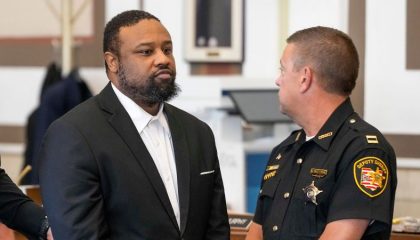
Sandego.net – A jury has delivered a verdict in the arson case tied to the 2025 Palisades Fire, marking a pivotal moment in the investigation of Jonathan Rinderknecht, the accused who allegedly ignited the blaze. The trial, which concluded after weeks of deliberation, centered on Rinderknecht’s alleged role in the disaster that left twelve lives lost and thousands of properties damaged in the Pacific Palisades neighborhood. The prosecution argued that Rinderknecht’s actions were intentional, driven by personal grievances and a desire for vengeance, while the defense emphasized the ambiguity of the evidence and alternative explanations for the fire’s origin.
Devastation of the Palisades Fire
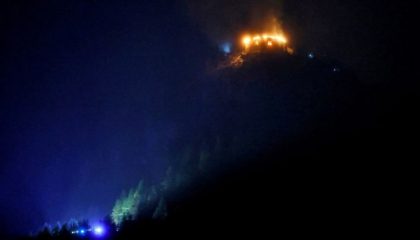
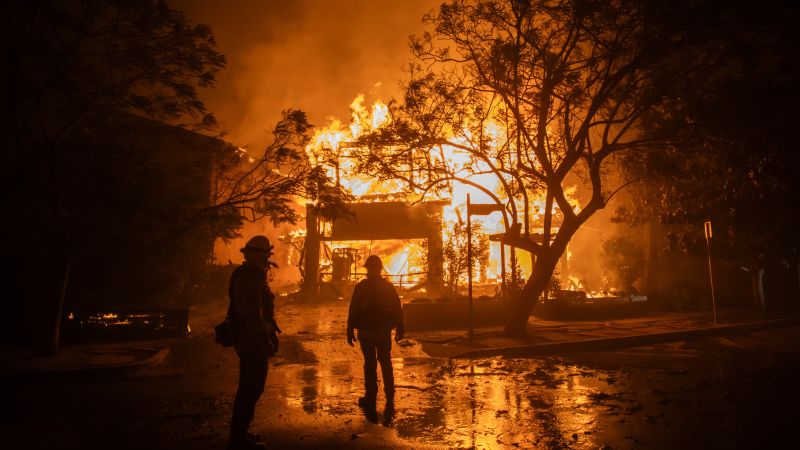
The Palisades Fire, which began in early January 2025, rapidly consumed the affluent hillside community, destroying over 2,000 homes and businesses. It was initially thought to be contained but resurfaced with renewed intensity on January 7 due to strong winds, escalating into a major disaster. This fire was later connected to the Lachman Fire, a smaller blaze that had started earlier in the same area. The catastrophic aftermath sparked national attention, as the incident highlighted the vulnerability of high-end residential zones to sudden wildfires.
Prosecution’s Argument: Motive and Intent
Federal prosecutors built their case around Rinderknecht’s alleged state of mind, asserting that he deliberately set the fire as an act of vengeance. They presented over 30 witnesses, including arson investigators and firefighters, to establish a timeline linking Rinderknecht to the fire’s ignition. Testimony revealed that he was seen alone in the Hidden Buddha clearing on January 1, 2025, the night before the fire. Prosecutors argued that the delayed ignition of the blaze, due to underground smoldering, pointed to a premeditated plan, driven by his reported frustrations with wealth inequality and societal neglect.
“Jonathan’s actions were not an accident. He had the motive, opportunity, and mindset to create this disaster,” said a prosecutor during closing arguments.
Defense’s Counter: Evidence and Circumstance
Rinderknecht’s legal team challenged the prosecution’s narrative, emphasizing the lack of conclusive evidence tying him to the fire’s origin. They presented nine witnesses over three days, including a former arson investigator, to argue that the fire could have been accidental. Fireworks, commonly used in celebratory events, were cited as a plausible cause, particularly given the New Year’s Eve setting. The defense also noted that Rinderknecht had called 911 multiple times, indicating awareness of the fire’s spread rather than a deliberate act.
“The evidence is circumstantial, and we believe Jonathan’s actions were not the cause of this tragedy,” stated defense attorney Steve Haney in his summation.
Public Reaction and Societal Context
The trial captured public imagination, with debates over whether Rinderknecht was a symbol of anger toward the wealthy or a victim of economic hardship. His criticisms of capitalism, as shared by passengers in his Uber rides, were central to the prosecution’s case. Meanwhile, the defense framed the incident as a product of chance, pointing to the festive atmosphere and the presence of multiple potential ignition sources. The case became a microcosm of broader tensions between individual motives and systemic factors in natural disasters.
Impact on Community and Legal Process
The Palisades Fire not only devastated property but also left a lasting emotional impact on the residents. The jury’s verdict will determine whether Rinderknecht faces criminal charges for his alleged role in the incident. This case underscores the complexity of arson investigations, where scientific analysis and witness testimony must be balanced against the defendant’s personal history and behavior. The outcome may influence future cases involving similar motives and environmental factors.