JetBlue Pilot Claims Drone Collision During JFK Approach
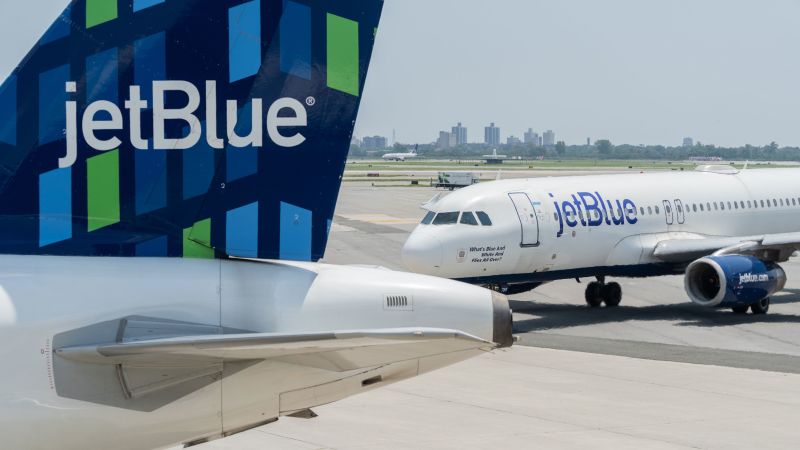
Sandego.net – On Monday, a JetBlue Airways passenger aircraft reported a potential collision with a drone while descending toward John F. Kennedy International Airport, according to the Federal Aviation Administration. The incident occurred during the final phase of the flight’s landing sequence, at an altitude of approximately 3,000 feet, around 7:15 a.m. local time, as confirmed by the FAA in a statement to CNN.
Air Traffic Control Exchange Reveals Impact
The pilot of JetBlue Flight 948, an Airbus A321, communicated with air traffic control during the event. In a recorded transmission shared by ATC.com, the pilot announced, “We are clear to land, 13 left,” before noting the drone strike. “Just quickly, I couldn’t talk to approach, but we collided with a drone back there in the turn,” the pilot added, according to the audio log. When the controller asked, “You said you collided?” the pilot responded, “Yep, it hit us right, right above the cockpit,” confirming the encounter.
The FAA’s statement emphasized that the flight proceeded to land safely just minutes later, at 7:21 a.m. While the aircraft was en route from Las Vegas, it was positioned near the beachfront community of Sea Bright, about 10 to 12 miles from JFK, according to tracking data from Flightradar24. The airline later released a statement reaffirming that no significant damage or signs of a collision were detected during a post-flight inspection, though the plane was temporarily removed from service.
Drone Incidents and Aviation Safety Concerns
This incident could mark a pivotal moment in drone-related aviation accidents, as it may be one of the first confirmed collisions between a US commercial passenger aircraft and an unmanned aerial vehicle. Despite this, drones have previously caused issues with other types of planes. For example, in January 2025, a civilian drone struck a CL-415 “Super Scooper” aircraft engaged in firefighting efforts during the Los Angeles wildfires, creating a wing puncture that forced the plane out of service. The drone operator was subsequently charged by federal authorities.
However, not all reported near-misses have resulted in actual collisions. Some incidents have been attributed to bird strikes or mechanical malfunctions. The FAA continues to monitor drone activity, especially near airports, where flights are restricted to ensure safety. Last week, a United Airlines pilot recounted a similar close call at Newark Liberty International Airport, highlighting the growing risk posed by drones during landing procedures.
The FAA has reiterated that unauthorized drone operators face severe penalties, including substantial fines and potential criminal charges, such as jail time. These measures aim to deter reckless flying, particularly in high-traffic areas like JFK. Drones are also commonly restricted from operating near emergency operations, correctional facilities, and major events, such as the ongoing World Cup tournaments, to minimize disruptions.
Broader Implications for Drone Regulation
The increasing prevalence of drones in airspace has raised concerns about their impact on traditional aviation. While the FAA has implemented guidelines to manage this, incidents like the one involving JetBlue Flight 948 underscore the need for stricter enforcement. The agency receives roughly 100 sighting reports monthly, many of which involve drones flying in restricted zones.
Experts suggest that the integration of drones into shared airspace requires enhanced coordination between operators and air traffic control. This includes real-time monitoring systems and updated protocols for identifying and avoiding collisions. The incident at JFK could serve as a catalyst for further regulatory action, especially as drone technology advances and their usage expands.
JetBlue’s Response and Industry Preparedness
JetBlue Airways has emphasized its commitment to passenger safety, stating that customers deplaned without issue and the plane underwent a thorough inspection. The airline’s spokesperson noted, “Safety is JetBlue’s first priority, and we will assist with any relevant investigations,” while acknowledging the significance of the event. Such incidents highlight the importance of preparedness within the aviation industry, as airlines must adapt to new threats posed by unmanned aircraft.
Aviation safety experts are now analyzing the potential consequences of this collision. While the aircraft suffered no major damage, the proximity of the drone to the cockpit raises questions about the vulnerability of commercial planes to such encounters. The FAA is currently investigating the incident to determine its exact cause and assess whether new safety measures are necessary.
A Growing Trend in Drone-Aircraft Encounters
Recent years have seen a surge in drone-related incidents, with pilots reporting near-misses and collisions. The JFK collision may join a growing list of such events, prompting discussions about the need for expanded regulations. For instance, drones are frequently restricted from flying near airports, emergency operations, and large gatherings, yet incidents continue to occur.
While the FAA maintains that these precautions are effective, the frequency of drone sightings suggests that enforcement remains a challenge. The agency’s statement on the incident noted that drones are often limited in operation around critical infrastructure, yet this latest event highlights the difficulty of completely preventing such collisions. As drones become more common in both urban and rural settings, their interaction with traditional aviation is likely to increase.
Industry leaders are calling for a unified approach to drone safety, combining technology, education, and stricter rules. The FAA’s role in managing this airspace will be crucial, as it seeks to balance innovation with the safety of commercial flights. The investigation into the JetBlue incident will provide valuable insights into how drones can be better integrated into the existing aviation framework.
With the rapid growth of drone technology, the aviation sector is preparing for a future where such collisions may become more frequent. This event at JFK serves as a reminder of the importance of vigilance and the need for continuous improvements in drone regulation. As investigations progress, the outcome may shape the next steps in ensuring safe coexistence between drones and commercial aircraft in the skies.