
Exclusive: After Opting Against a Retrial, Manhattan DA Pushes for Legislative Reform for Sex Assault Survivors
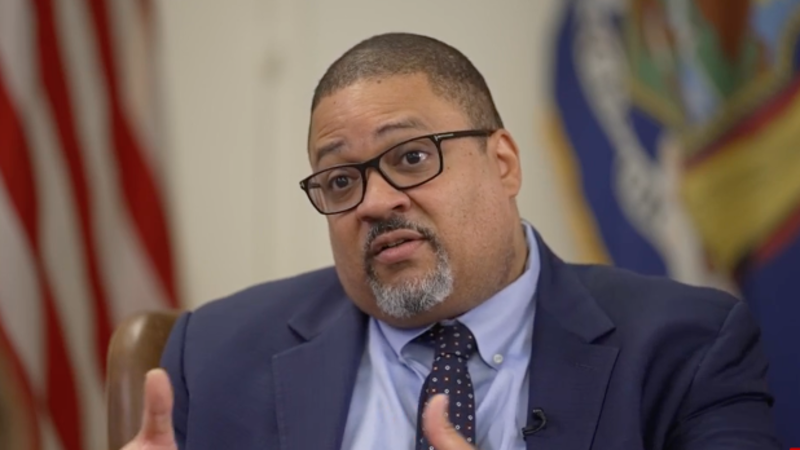
Sandego.net – Just days after deciding against a retrial of movie producer Harvey Weinstein on a rape charge, Manhattan District Attorney Alvin Bragg shared his reflections with CNN in a Wednesday interview, emphasizing the need for lawmakers to support survivors of sexual assault. Bragg highlighted the importance of legal reforms that would allow prosecutors to introduce testimony about prior misconduct by defendants, ensuring that all accusers’ experiences are recognized in the courtroom. This approach was central to his office’s landmark conviction of Weinstein in 2020, a pivotal moment for the #MeToo movement and advocates of sexual abuse survivors. However, the New York Court of Appeals later reversed that verdict in 2024, ruling that evidence regarding Weinstein’s use of Hollywood power to manipulate witnesses was improperly admitted.
Despite the setback, Bragg remains committed to advancing legal changes that would bolster survivors’ voices. He noted that the decision to abandon a fourth rape trial was influenced by the accuser’s emotional toll, with Jessica Mann, one of Weinstein’s alleged victims, expressing her unwillingness to testify again. “We’re hard at work with legislators to address and change the law,” Bragg explained. “We didn’t get it done this year, but we tried, and we’ll be back again next year trying to change the law … to allow for more evidence like that to come in.”
The proposed amendments to New York’s criminal code aim to let testimony about past crimes or misconduct serve as proof of motive, intent, and planning. These bills, introduced in both the State Assembly and Senate, seek to rectify a gap in the legal system that has left many survivors unheard. Yet, neither bill received a vote in committee or on the floor during the current legislative session, according to the state legislature’s website. Bragg warned that without these changes, future cases involving sexual assault could face similar challenges. “The system didn’t honor the survivors who testified in Weinstein’s case,” he said. “Though they weren’t part of specific charges, their stories were set aside.”
A System That Silences Survivors
Bragg expressed deep frustration with how the legal process often overlooks the personal toll on survivors. “Our system said, ‘That’s not relevant here,’” he recounted. “I understand how that’s hurtful, poignantly so, and in legal circles, that hasn’t gotten enough attention.” His office’s focus on survivors has become increasingly evident in the trials of Weinstein and others, where testimony from accusers has been critical. Yet, the repeated trials and cross-examinations have left many survivors feeling fragmented and powerless, he added.
Jessica Mann, a key accuser in Weinstein’s case, has been central to Bragg’s decision-making process. She waived her anonymity, a common practice for sexual assault survivors, and provided firsthand insight into the emotional strain of testifying. In a letter to the court, Mann described how reliving her allegations at the latest trial caused “deeper re-traumatization and additional trauma.” “In the process of court I have been fragmented, silenced, defamed and traumatized,” she wrote. Bragg described the letter as “sobering and heartbreaking,” noting its impact on his perspective. “So much of this process is lawyers talking, a judge talking, we hear from jurors, we hear from witnesses, and to have her unfiltered … I thought that was important.”
From Conviction to Mistrial: A Rollercoaster for Survivors
After the 2020 conviction, Bragg’s office continued to pursue justice, even as the legal landscape shifted. When the conviction was overturned, he initiated a new prosecution on three separate charges, targeting three accusers. In the subsequent trial, Weinstein was found guilty on one criminal sex act charge but acquitted on another. The rape charge, however, was dismissed when the jury refused to continue deliberations, resulting in a mistrial. A third trial for the same charge also ended in a deadlock, leading to another mistrial declaration.
Bragg’s decision to halt the fourth trial was informed by direct conversations with Mann, who was the primary accuser in the rape charge. “She was at the center of this decision,” he stated. The emotional weight of the case has underscored the challenges survivors face in the legal system. “Jessica Mann has testified three times at trial, twice at grand jury — very, very challenging, and that’s an understatement,” Bragg said. Her repeated appearances in court have highlighted the ongoing struggle for validation, both for her and other survivors who navigate the same process.
Reflecting on the courthouse where Weinstein and numerous others have stood trial, Bragg sees a broader narrative at play. “Those cases I think are important, the high-profile ones, and I think they may lead to more survivors coming forward,” he explained. “In that way, they play an incredibly important role, not just for individual accountability, but more broadly.” Yet, he also stressed the need for greater attention to the survivors whose names remain unknown. “We don’t have enough discussion about the people whose names aren’t heard,” he said. “The survivors who endure the same struggles, who show up again and again to testify, are cross-examined, made to repeat themselves, and feel like they don’t have a voice in the system.”
RAINN, the Rape, Abuse & Incest National Network, has long argued that the criminal justice system often fails to hold perpetrators fully accountable. The organization reports that 98% of sexual violence offenders are never convicted, a statistic that Bragg sees as both a challenge and an opportunity. “When survivors come forward, they’re not just seeking justice for themselves,” he noted. “They’re also opening the door for others to share their stories and demand accountability.”
The Road Ahead for Legal Change
Bragg’s advocacy underscores the persistent need for legislative action to support survivors. While the current session has seen no progress, he remains hopeful that the next year will bring the necessary reforms. “We’re not just talking about changing the rules for one case,” he said. “This is about creating a system where survivors’ voices are not only heard but valued.”
The Manhattan DA’s journey with Weinstein has been a microcosm of the larger struggle for justice in sexual assault cases. From a historic conviction to a series of mistrials, the process has revealed both the power of survivor testimony and the systemic barriers that can silence it. Bragg’s commitment to listening to survivors like Mann has fueled his push for legal reforms, even as the path forward remains uncertain. “This decision wasn’t made lightly,” he said. “It was based on the needs of the people who have been most affected.”
As the legal system continues to evolve, Bragg’s efforts serve as a reminder of the importance of survivor-centered policies. “If we want to truly support survivors,” he concluded, “we need to ensure their voices are part of every step in the process, not just in the spotlight when the case is high-profile.” His words highlight a growing recognition that justice for sexual assault survivors requires more than courtroom victories—it demands a fundamental shift in how their experiences are integrated into the legal framework.