Paramount Nears Merger Settlement, but State AGs Remain Divided
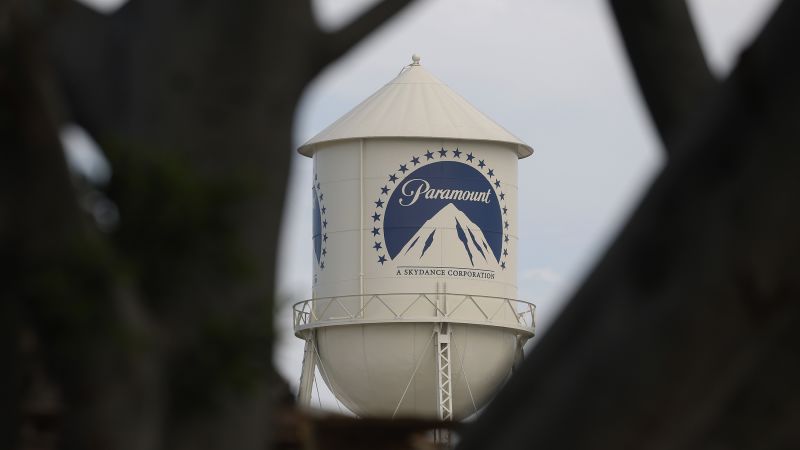
Sandego.net – Paramount nears merger settlement but some state attorneys general are still withholding support for an agreement over its proposed acquisition of Warner Bros. Discovery. California Attorney General Rob Bonta has led negotiations for a coalition of 12 states, but officials in several states want stronger protections before ending their antitrust challenge.
California, Connecticut and New York are among the states closely involved in the discussions. The proposed transaction would bring Paramount and Warner Bros. Discovery’s film studios, television networks and major news operations under one corporate umbrella, raising concerns about competition, jobs and editorial independence.
Worker safeguards and newsroom independence remain unresolved
New York Attorney General Letitia James has sought stronger protections for employees affected by the combination, according to people familiar with the confidential talks. Her office has communicated with at least six unions connected to the companies as it considers the potential effect on thousands of New York workers.
Connecticut Attorney General William Tong has focused on preserving the editorial independence of CNN and CBS News. The dispute over the merger extends beyond the scale of the resulting entertainment company: state officials are also weighing the impact on journalists, union members, television and film production workers, and the separation of prominent news brands.
Those questions have added pressure to negotiations as several attorneys general in the coalition, including Bonta, James and Tong, seek reelection in November. Their decisions carry particular significance in states with major media, entertainment and labor interests.
A settlement could prevent a California trial
If Paramount nears merger settlement but some states decline to join, the legal challenge could proceed toward its scheduled trial in California next March. A negotiated agreement could reduce uncertainty around the transaction, while a continuing court fight could create a longer and more consequential obstacle for the companies.
Potential settlement terms have included independent monitoring of CNN content, commitments related to theatrical film releases and a temporary separation of operations between the two studios. Bonta has publicly argued that any deal should include structural remedies, such as possible divestitures of cable channels, rather than relying only on promises about future conduct.
“We, respectfully, didn’t think the United States DOJ did an adequate review and we thought we needed to step into that breach,” Bonta said Thursday at The Atlantic Festival.
The Justice Department cleared the deal in June without requiring concessions. The states later pursued their own case, using their authority to challenge transactions they believe could reduce competition or harm workers, consumers and residents.
California production jobs add to the stakes
California’s role has drawn added scrutiny after Paramount reportedly raised the possibility of leaving the state. That prospect has concerned public officials and entertainment-industry figures focused on keeping film and television production in Los Angeles.
Los Angeles Mayor Karen Bass addressed those concerns last week, pledging to fight to retain production activity in the city. Production supports performers, writers, crews, vendors and many other local businesses, meaning any commitments on jobs, facilities or filming could affect far more than the companies involved in the proposed acquisition.
“I’m going to fight like hell” to keep film and TV production in the city.
FAQ: What the Paramount-Warner Bros. Discovery settlement could mean
Why are state attorneys general involved?
State attorneys general can challenge mergers they believe may weaken competition or harm workers, consumers or local economies. Their review can continue even after federal regulators have completed their own examination.
What happens if the states do not reach a settlement?
The California case is scheduled to go to trial next March. Without an agreement, the merger would face continued legal uncertainty and a court could decide whether the transaction may proceed.
Why do CNN and CBS News matter in the negotiations?
Connecticut officials have raised concerns about maintaining editorial independence after the combination of major news operations. Proposed protections could address how those brands operate within the merged company.
For now, Paramount nears merger settlement but some key states remain unconvinced that the reported concessions are sufficient. Whether California can assemble broader support for a deal may determine whether the antitrust challenge ends in a negotiated resolution or moves toward trial.