Ebola Outbreak Sparks Violence in DRC
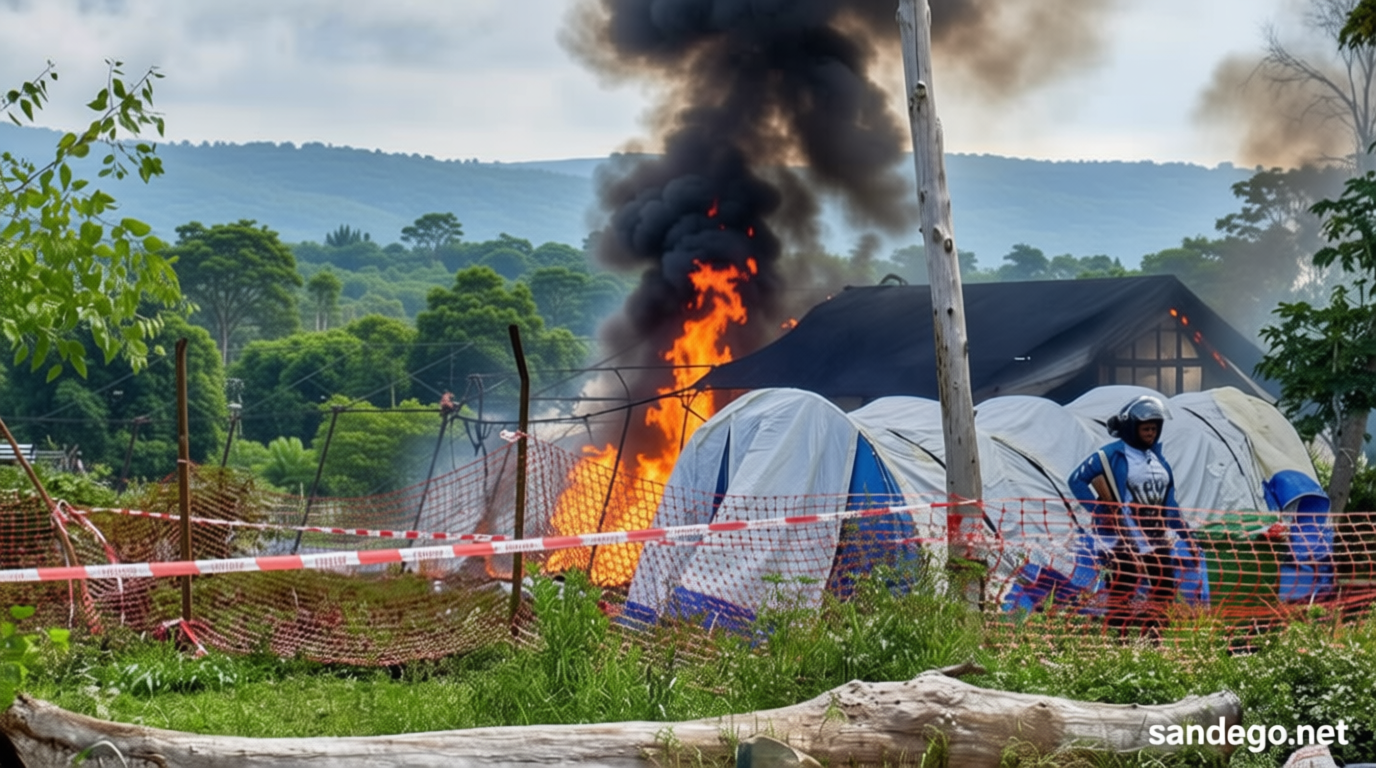
Protesters set Ebola treatment center on fire – On Thursday, a fiery confrontation erupted at a health center in the eastern region of the Democratic Republic of Congo (DRC), as demonstrators targeted an Ebola treatment facility, according to a local politician. The incident, which saw two medical tents engulfed in flames, was attributed to a dispute over the recovery of a deceased patient’s body. Luc Mambele, vice president of the Congolese political party A2RC, described the event as a culmination of frustration among the family of a young man who succumbed to the disease. The relatives, he claimed, attempted to seize the body “by force” from the Rwampara Hospital, leading to a clash that resulted in the blaze.
Spread of Lethal Strain and Government Response
The DRC has been grappling with a severe outbreak of the Bundibugyo strain of Ebola, a variant known for its high fatality rate and lack of established cures. As of Thursday, authorities estimated that at least 160 deaths were tied to the virus, with 13 new confirmed cases reported in the same day. A further 78 suspected cases were identified in Ituri province, highlighting the urgency of the crisis. The strain, which has no specific treatment or vaccine, has increasingly strained local healthcare systems and sparked panic among residents.
Luc Mambele, speaking to CNN, recounted how the conflict escalated when health officials refused to allow the family to retrieve the body. In response, the relatives launched projectiles at the hospital tents, igniting the fire. At the time of the attack, six patients were receiving care in the medical tents operated by the Alliance for International Medical Action (ALIMA). The organization confirmed that these individuals were relocated to the hospital for continued treatment. ALIMA also emphasized the role of misinformation in exacerbating the situation, urging the public to verify claims about the outbreak before they spread fear and distrust.
Rising Misinformation Fuels Resistance
Mambele’s account underscores the deepening divide between communities and health authorities, driven by widespread skepticism. He stated that many locals in Ituri province believe “Ebola is a lie,” with some viewing it as a fabrication by outsiders. “The population is not sufficiently informed or made aware of what is happening,” he noted, adding that in remote areas, the virus is perceived as “a White man’s invention” that does not exist. This sentiment has led to resistance against quarantine measures and health protocols, complicating containment efforts.
In a video shared with CNN, Mambele depicted the chaos at the hospital as police fired warning shots to disperse the crowd. The footage, captured by Reuters, showed the medical tents reduced to ashes, their scorched frames still standing over hospital beds in the aftermath. The national police force quickly intervened, restoring order at the scene. Mambele described the incident as a microcosm of the broader challenges faced by officials in combating the outbreak and addressing community concerns.
International Response and Cross-Border Impact
The World Health Organization (WHO) has classified the outbreak as a “public health emergency of international concern,” though the global risk remains relatively low. The DRC reported 64 confirmed cases and 671 suspected cases as of Thursday, with health officials tracking over 1,260 contacts to monitor potential spread. The first suspected case emerged when a healthcare worker in Bunia began exhibiting symptoms on April 24, later dying at a local medical facility. By May 5, the WHO was alerted to an “unidentified illness” with high mortality rates, prompting a rapid response team to investigate. The strain was officially confirmed as Bundibugyo on May 15, following an inquiry.
Meanwhile, the Centers for Disease Control and Prevention (CDC) revealed that it became aware of the outbreak on Thursday, May 14. A CDC expert source, working on the response, noted that initial discussions about the crisis occurred on Friday. The virus has also reached Uganda, where health officials confirmed two laboratory-verified cases, including one fatality, in the capital city of Kampala. The Ugandan Health Ministry reported that a female patient who tested positive had returned two negative results, placing her “currently out of danger.”
Containment Measures and Global Implications
To curb the spread, public transport, flights, and ferries between Uganda and the DRC have been suspended. Enhanced border security patrols are now in place, reflecting the growing international attention on the outbreak. The DRC’s government spokesperson, Patrick Muyaya, criticized the attack, calling it “exactly what they shouldn’t do” and expressing concern over the damage to critical infrastructure. The incident has drawn criticism for its impact on patient care and the credibility of health facilities.
The Bundibugyo strain, first identified in 2008, has reemerged as a significant threat. Its ability to spread rapidly and cause severe symptoms has made it a focal point for global health agencies. The WHO’s declaration of an emergency has prompted increased collaboration between countries, with efforts focused on improving communication and ensuring public trust. Despite the challenges, the DRC continues to manage the outbreak, leveraging international support and local resources to mitigate its effects.
The event at Rwampara Hospital has become a symbol of the tensions arising from misinformation and the emotional toll of the disease. As communities grapple with the reality of the outbreak, health officials face the dual challenge of treating patients and alleviating fears. Mambele’s remarks highlight the need for targeted education and outreach to ensure that accurate information reaches even the most remote areas. The situation remains fluid, with ongoing efforts to prevent further outbreaks and protect vulnerable populations.
In the days following the incident, the DRC government has pledged to strengthen its response. Additional medical teams have been deployed, and plans are underway to improve community engagement. The WHO has reiterated its commitment to supporting the region, emphasizing the importance of rapid intervention and transparency. As the Bundibugyo strain continues to spread, the world watches closely to see how the DRC and its neighbors navigate the crisis.
CNN’s Nimi Princewell and Lauren Kent contributed to this report.