

Judge Dismisses Charges Against Former Official in 6-Year-Old Shooting Case
Judge dismisses charges against former school – Circuit Court Judge Rebecca Robinson has dismissed criminal charges against Ebony Parker, a former assistant principal at Richneck Elementary School, in the aftermath of a January 2023 incident where a 6-year-old boy shot his teacher. The decision follows a legal battle where prosecutors argued that Parker had not fulfilled her duty to address prior warnings about the child’s access to a firearm. The defense, however, maintained that the charges did not meet the necessary criteria for criminal liability, emphasizing that the former official’s actions were consistent with her role in the school system.
Legal Rulings and Emotional Reactions
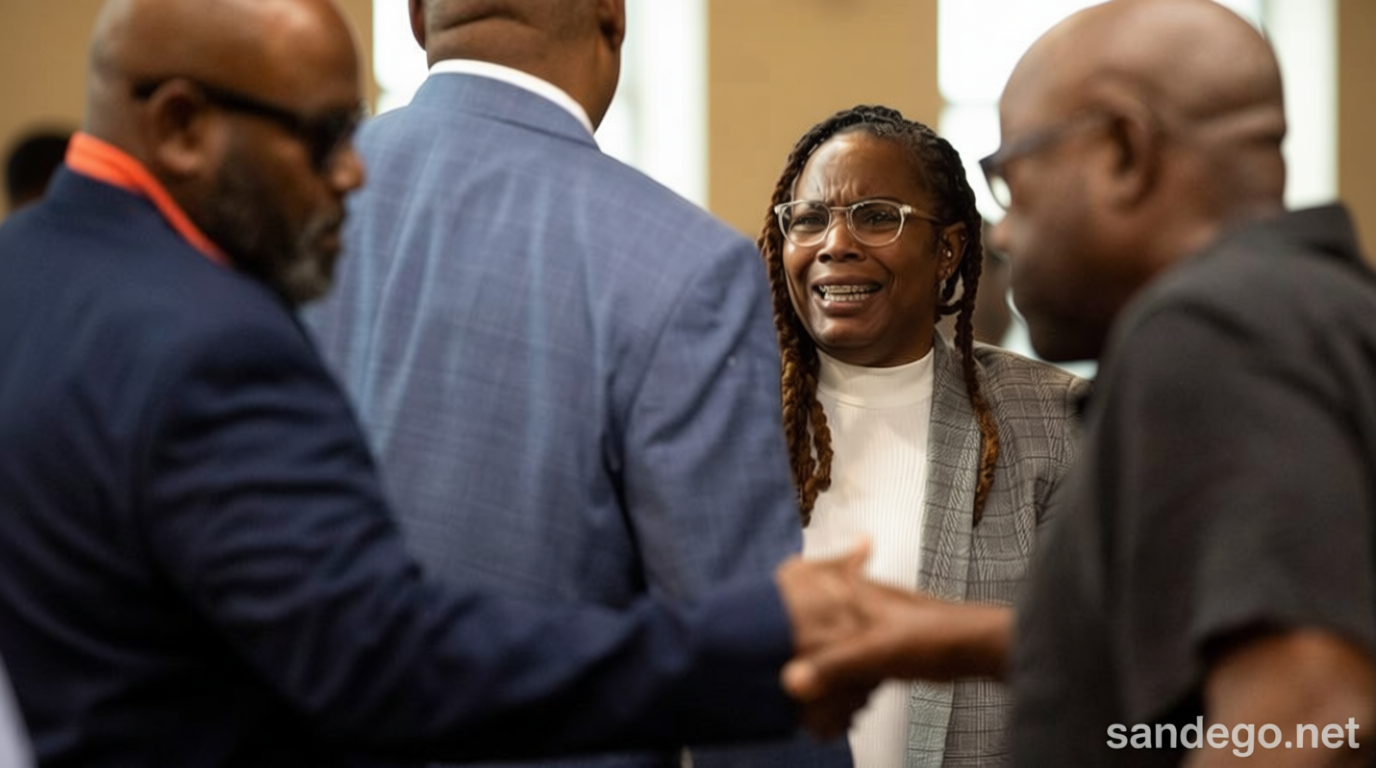
The dismissal was made with prejudice, effectively closing the door on any future legal action against Parker. During the ruling, Judge Robinson highlighted that the evidence presented did not establish a clear link between Parker’s decisions and the shooting. “There was insufficient proof to show that Parker’s actions directly led to the incident,” she said, underscoring the court’s conclusion that the case lacked criminal merit. Parker, visibly emotional, displayed signs of distress as the verdict was delivered, reflecting the weight of the situation on both sides.
The case centered on a January 6, 2023, shooting at Richneck Elementary School, where the child retrieved a gun from his mother’s purse and brought it to class. His mother, Deja Taylor, had already pleaded guilty to felony child neglect and federal gun offenses, serving multiple years in prison before her release. The prosecution had aimed to hold Parker accountable for failing to act promptly, but the defense successfully argued that the former official’s role was not as pivotal as claimed.
Prosecution’s Case and Defense Strategies
Prosecutors had built their case around the idea that Parker was the only individual in the school with both the authority and awareness to prevent the shooting. Assistant Commonwealth Attorney Josh Jenkins asserted that she had been directly informed about the child’s behavior and access to a weapon. “This was the person who had the duty to act,” he stated, framing the trial as a test of whether educators should be held to higher standards in such crises.
However, the defense countered that the former official’s responsibilities were not as clear-cut. Defense attorney Curtis Rogers questioned the scope of the charges, arguing, “If the commonwealth wants to hold Dr. Parker responsible, what about the other adults who had direct contact with the child?” This line of reasoning sought to distribute accountability more broadly, challenging the prosecution’s singular focus on Parker’s actions.
The trial involved 16 witnesses, including teachers and staff who testified about their interactions with the child. One teacher claimed that Parker had instructed them to wait for the mother’s arrival before searching the child’s backpack, despite knowing the potential danger. This testimony was central to the defense’s argument that the former official’s decisions were reasonable under the circumstances, and that the blame should be shared among multiple parties.
Broader Implications for School Accountability
This ruling marks a significant shift in how legal systems address school shootings involving young students. Previously, parents and educators had faced overlapping scrutiny, but the dismissal of Parker’s case signals a clearer delineation of responsibility. Legal experts suggest that the decision may set a precedent, encouraging more cases to focus on direct perpetrators rather than extending liability to school staff.
While the former official’s case has been closed, the incident continues to fuel debates about safety protocols in schools. The prosecution’s emphasis on Parker’s authority highlights the increasing pressure on educators to prevent such tragedies. Meanwhile, the defense’s strategy underscores the need for a more nuanced understanding of duty and negligence in cases where children are involved. This case could influence future legal interpretations of accountability in educational settings.