
‘Not normal’: On one April day, all of the planet’s top 50 hottest cities were in a single country
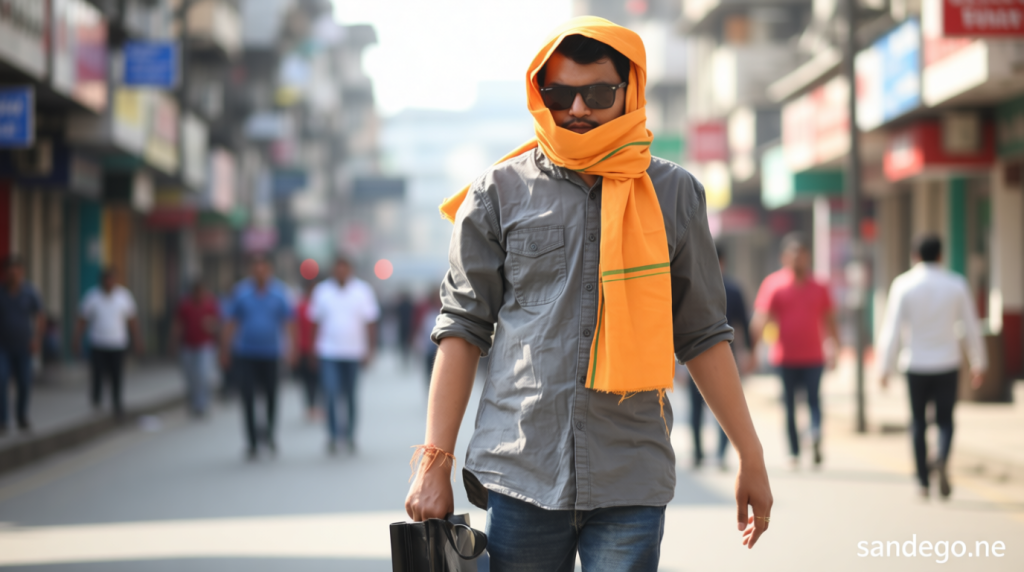
India’s 50 Hottest Cities: A Not Normal April Heatwave
Not normal – On one not normal April day, a historic record was broken. For the first time ever, all of the planet’s top 50 hottest cities were found within a single country—India. This striking data comes from AQI, a comprehensive air quality and weather monitoring platform. The organization declared the occurrence “without a modern precedent,” emphasizing how this event defies typical seasonal expectations. “This is not normal for April,” AQI stated, highlighting the need for urgent analysis of the phenomenon.
Heatwave Intensifies Beyond Seasonal Norms
India’s heatwave extended far beyond conventional expectations, with extreme temperatures recorded in its 50 most scorching cities. On April 27, these cities averaged 112.5°F, a figure that underscores the intensity of the crisis. Among them, Banda in Uttar Pradesh reached an alarming 115.16°F, surpassing any prior global temperature for that date. Even nighttime temperatures remained stubbornly high, averaging 94.5°F. AQI referred to this pattern as the “interior heat belt,” a region where not normal conditions have become the new standard.
The data reveals a troubling trend: heat records have been shattered in India at an unprecedented rate. In April alone, dozens, if not hundreds, of cities experienced not normal temperatures, often exceeding historical averages by significant margins. While a single day’s reading may not define a long-term pattern, it aligns with broader evidence of a climate system in flux. Scientists warn that this not normal heat is a harbinger of even more extreme conditions on the horizon.
Climate Shifts and Human Impact
Maximiliano Herrera, a climatologist and weather historian, called attention to the severity of India’s heatwave. “This not normal April heatwave is among the most extreme in recorded history,” he said. Herrera noted that such conditions disrupt the natural rhythm of seasonal changes, signaling a broader climate crisis. “The usual patterns are being rewritten,” he added, stressing the importance of adapting to the new reality.
Heat is the most lethal form of extreme weather, and its effects are not normal for vulnerable populations. The elderly, children, and outdoor workers—such as agricultural laborers and construction crews—are at heightened risk. Prolonged exposure to not normal temperatures leads to dehydration, heatstroke, and even death. Beyond health, the crisis threatens agricultural productivity, food supply chains, and the economy, creating a ripple effect across the nation.
As the climate crisis accelerates, not normal conditions are becoming the norm. The Indian Meteorological Department has raised alarms, predicting above-average summer temperatures in 2026. This forecast is compounded by El Niño, a weather pattern that further destabilizes monsoon systems. If the upcoming monsoon season brings below-average rainfall, the impact on agriculture and water resources could be catastrophic. The situation is also influenced by global factors, such as the Middle East conflict, which has contributed to energy shortages and worsened the effects of not normal heat.
Looking Ahead: A Harsh Summer and Climate Uncertainty
Some experts suggest the not normal April heatwave is just the beginning of a more severe summer. Herrera’s analysis indicates that the heat index—calculated by combining temperature and humidity—will likely rise dramatically. This means the risk of life-threatening conditions could escalate by 2050, when temperatures may surpass survivability limits for healthy humans. Such thresholds, if crossed, would mark a critical tipping point in the climate crisis.
With the not normal heatwave intensifying, the urgency for climate action has never been greater. India’s cities are now facing a reality that was once considered extraordinary. The data serves as a stark reminder of how climate change is reshaping global weather patterns, making what was once rare now commonplace. As the world watches, the question remains: how prepared are we for a future where not normal becomes the standard?
