
In the Kristin Smart case, key questions remain after 3 decades
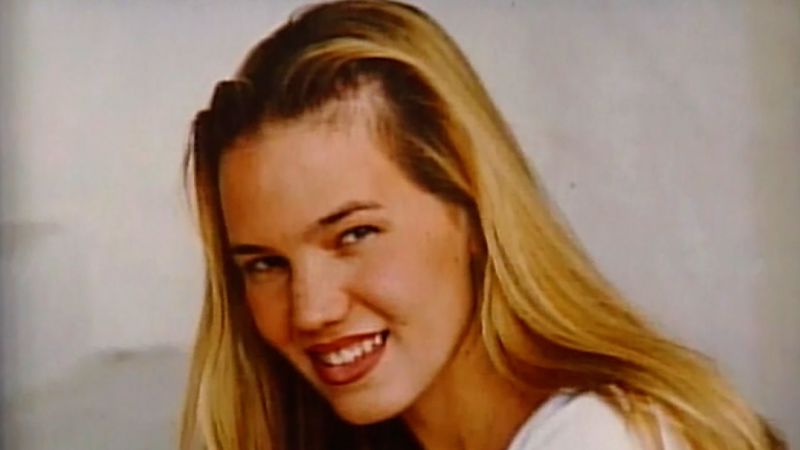
In the Kristin Smart Case, Key Questions Remain After 3 Decades
In the Kristin Smart case key questions – Three decades have passed since Kristin Smart vanished from the California Polytechnic State University campus in San Luis Obispo, leaving behind a mystery that has persisted through years of investigation. Now, fresh developments in the case have reignited public interest, as authorities concluded their most recent search at the home of Paul Flores’ mother, Susan Flores, without recovering Smart’s remains. New soil testing at the property has raised questions about the presence of human remains, yet the absence of definitive proof has left the Smart family with lingering uncertainties about the fate of their loved one.
The Quest for Answers
The disappearance of Kristin Smart, a 19-year-old college student, on Memorial Day weekend in 1996 sparked a nationwide fascination with the case. Her absence from the campus at the time of her death prompted a decadeslong pursuit of truth, culminating in the 2022 conviction of Paul Flores for her murder. Despite this legal resolution, the Smart family continues to seek closure, particularly regarding the final resting place of their daughter. “Finally lay her to rest in the presence of those who love her,” has been a central goal for them, but the latest search at Susan Flores’ home in Arroyo Grande has only deepened their search for answers.
“Until we have Kristin, everything is still wide-open,” said San Luis Obispo County Sheriff Ian Parkinson, reflecting on the ongoing uncertainty surrounding the case.
The renewed search, conducted last week, focused on the Flores family home, where investigators combed through the cluttered garage and examined the deck. The sheriff emphasized that the absence of Smart’s remains does not rule out the possibility of her being moved within the property. “She could have been relocated there, thinking it was a safe place,” he noted, underscoring the need for continued scrutiny. Though the search concluded without success, the Sheriff’s Office has not ruled out further investigations, citing the potential for new evidence to reshape their understanding of the case.
Technological Advances and Scientific Uncertainty
Recent advancements in soil science and ground-penetrating radar have played a pivotal role in the latest search efforts. These tools, which use sound waves to map subsurface structures, were deployed to scan the property for traces of human remains. Sheriff Parkinson highlighted the significance of these techniques, stating that the soil testing process involves analyzing compounds in the earth that may be linked to decomposing bodies. “It’s about the scientific evidence that can help us piece together what happened,” he explained, though the details remain confidential.
Investigators also collected soil samples from Susan Flores’ yard and neighboring areas, sending them to a local lab for DNA analysis. Tim Nelligan, an expert in soil vapor testing, was present during the search, gathering samples to examine potential clues. His involvement underscores the interdisciplinary approach required to solve the case, blending forensic science with traditional investigative methods. However, even with these tools, the search has yielded only ambiguous results, leaving the question of where Smart’s remains might be unresolved.
The Role of the Flores Family Home
Susan Flores’ residence in Arroyo Grande has been a focal point of the investigation for years. Multiple searches of the property have taken place since 1996, but the latest one, conducted with updated techniques, has added new layers to the inquiry. The sheriff described the yard as a “very small area” to investigate, yet the density of items stored there created challenges for the team. “It’s quite crowded with stuff,” he remarked, suggesting that the clutter could have obscured potential evidence.
The search warrant issued for the home was based on “investigative leads and evidence,” as well as “information deemed from a witness.” While the exact nature of this new evidence was not disclosed, the Sheriff’s Office emphasized its importance in justifying the latest round of examinations. The warrant remains sealed, meaning the underlying findings have not yet been made public. This secrecy has fueled speculation about what might be discovered next, as well as the possibility of revisiting the property with fresh perspectives.
A Family’s Pursuit of Justice
The Smart family’s legal battle against California Polytechnic State University has further complicated the case. A lawsuit filed against the institution alleges negligence and wrongful death, accusing the university of failing to act swiftly in the aftermath of Kristin’s disappearance. This legal challenge highlights the emotional toll of the case, as the family seeks accountability not only for the murder but also for the delay in uncovering the truth. The conviction of Paul Flores in 2022 provided some measure of justice, but the absence of her remains has left the family in limbo.
Authorities have remained steadfast in their commitment to solving the case, with Sheriff Parkinson reiterating that the search for Kristin is far from over. “The Sheriff’s Office remains fully committed to finding Kristin and bringing her home to her family,” he stated, signaling that the investigation will continue despite the current setback. This dedication has kept the public’s attention on the case, with many hoping that the latest efforts will lead to a breakthrough. However, the lack of clear answers has also prompted skepticism about the progress made so far.
What the Future Holds
As the investigation progresses, several key questions persist. What other locations might hold clues to Kristin’s whereabouts? Could advanced technology like ground-penetrating radar or DNA analysis uncover evidence previously overlooked? And how might the new soil testing results influence the direction of the case? These uncertainties have kept the case in the spotlight, with media outlets and the public closely following developments.
The Sheriff’s Office has not yet revealed whether the new soil testing confirmed the presence of human remains or if further action will be taken. The decision to search Susan Flores’ home again reflects a belief that fresh techniques might yield results, even after decades of investigation. While the current search has ended, the family’s hope for closure remains intact, with the possibility of future efforts still on the table. “We’re not done yet,” the sheriff hinted, leaving room for optimism and continued pursuit of the truth.
Throughout the years, the case has become a symbol of the challenges in solving cold cases. Kristin’s disappearance and subsequent murder have captivated the public, with many drawing parallels to other unsolved mysteries. The use of modern forensic methods has brought new hope, but the absence of definitive proof has also underscored the complexity of the case. For the Smart family, every new development is a step closer to the closure they have long sought, even as they remain in the shadows of a decades-old mystery.
The latest search at the Flores home serves as a reminder that the pursuit of justice is often a long and arduous journey. While the conviction of Paul Flores marked a significant milestone, the quest to locate Kristin’s remains continues to drive the investigation forward. With each new technique and piece of evidence, the case remains a testament to the enduring search for truth in the face of time and uncertainty.
