Lucknow Earns Global Culinary Recognition After Centuries of Excellence
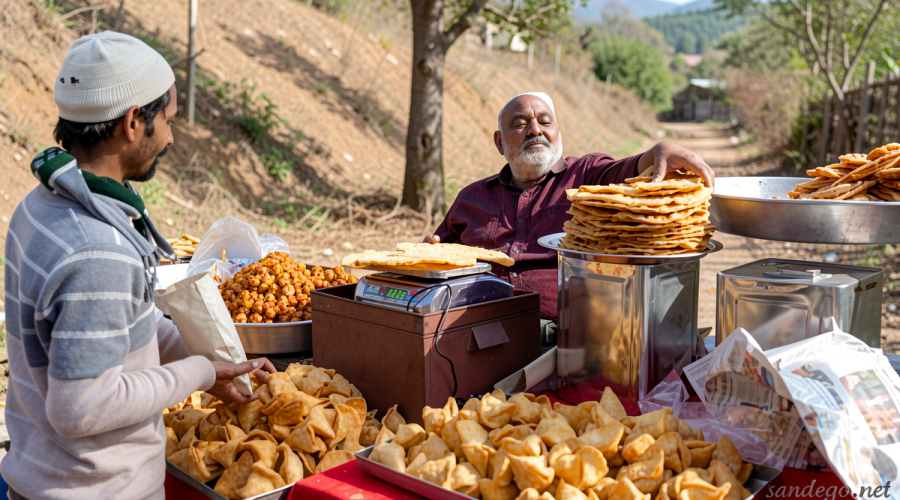
Sandego.net – At Tunday Kababi, nestled within Phool Wali Gali—a narrow thoroughfare in Lucknow’s historic district—diners experience something truly special. A plate of buffalo galawati kebabs arrives, and guests tear apart pieces of paratha flatbread to scoop up the tender, melting meat. Cooks nearby continuously shape and shallow-fry fresh batches, maintaining a rhythm that has continued for generations. While Indians have long regarded their city as one of the nation’s premier culinary destinations, international recognition has been slower to arrive. Despite being the historic heart of Awadhi cuisine, Lucknow often found itself overshadowed by Delhi and Mumbai in global food discussions.
Now, however, the world is taking notice. In October 2025, UNESCO officially designated Lucknow—the capital of Uttar Pradesh state in northern India—as a Creative City of Gastronomy. This prestigious honor acknowledges the city’s enduring culinary heritage and its living traditions. Only Hyderabad, which received the same designation in 2019, has achieved this status among Indian cities. The recognition places Lucknow among more than 400 cities across over 100 countries worldwide.
A Rich Historical Foundation
Awadhi cuisine derives its name from a historic region in present-day Uttar Pradesh, formerly known as Oudh during British colonial rule. Initially part of the Mughal Empire, the area gradually gained autonomy as imperial power waned in the early 18th century. Nawab Asaf-ud-Daula moved the capital from Faizabad to Lucknow in 1775, establishing it as the political center until British annexation in 1856.
The royal kitchens of the Nawabs became the crucible where Awadhi cuisine developed between the 18th and mid-19th centuries. Drawing upon Mughal court traditions—themselves shaped by Persian influences—and incorporating local ingredients from the fertile Indo-Gangetic plains, chefs created something distinctive. The resulting cuisine balanced sophisticated courtly techniques with regional character.
Delicate Rather Than Heavy
“The biggest misunderstanding is that Awadhi cuisine is ‘heavy.’ It isn’t,” explains Chef Ranveer Brar, a restaurateur and judge on MasterChef India. “It is delicate. It is nuanced. It is built on restraint. The richness people speak about is not about excess — it is about technique, balance and patience.”
“The emphasis is on aroma, controlled spice use, and texture — what culinary historians describe as nazakat (delicacy) and nafasat (subtlety),” adds Executive Chef Rohit Joshi of the Taj Mahal Lucknow. “The idea is not to overwhelm but to harmonize.”
While frequently categorized under the broader “Mughlai” umbrella, Awadhi cuisine stands apart. Mughlai originated in Delhi and Agra’s imperial kitchens, characterized by rich gravies and bold spices. Awadhi cuisine emerged later in Lucknow’s courts with a different philosophy.
The Art of Dum Pukht
If technique defines Awadhi cuisine, dum pukht represents its pinnacle. This slow-cooking method involves placing ingredients inside a heavy-bottomed vessel called a handi, sealing the lid—traditionally with dough—and cooking over low heat. Steam remains trapped within, allowing flavors to develop gradually while preserving moisture.
According to culinary tradition, this technique gained prominence during Asaf-ud-Daula’s reign in the late 18th century, when the region experienced severe famine. As part of a work-for-food initiative, large quantities of rice, meat, and vegetables were prepared in sealed pots to nourish laborers constructing the Bara Imambara tomb complex. Legend holds that aromas from these slow-cooked vessels attracted the Nawab’s attention, prompting refinement of the dum method in royal kitchens.
Whether historical fact or folklore, the narrative illustrates how dum cooking became integral to the region’s culinary identity. In the 20th century, the late chef Imtiaz Qureshi revived this technique in restaurant kitchens, introducing dum pukht to modern dining through ITC Hotels, including the Dum Pukht Restaurant in New Delhi.
Beyond technique, Awadhi cuisine emphasizes control—particularly in flavor development. Spices are layered gradually throughout cooking rather than added simultaneously, creating depth without overwhelming the palate. This careful approach, combined with centuries of refinement, makes Lucknow’s culinary heritage truly worthy of global celebration.