Swedish Midsummer Festival: Flowers, Naked Rituals, and Tradition
Sandego.net – Sweden’s Midsummer festival, a celebration steeped in ancient customs, is often highlighted by the practice of placing flowers under pillows and participating in naked rituals. This vibrant tradition, rooted in pagan beliefs, draws global attention as evidenced by the viral YouTube clip where Hollywood actress Alicia Vikander demonstrated the iconic “frog dance” to Jimmy Kimmel. While the summer solstice is a key event in Nordic cultures, Sweden’s Midsummer stands out for its unique blend of folklore, community, and cultural pride. The festival, which occurs around June 21, the longest day of the year, is not just about revelry but also about honoring nature’s cycles and the deep connection to the land.
The Magic of Midsummer Traditions
Midsummer in Sweden is a time of magical symbolism and communal joy, with rituals that have survived centuries. The maypole, a central feature, represents fertility and renewal, adorned with birch branches and wildflowers. Dancers gather in circles, weaving around the pole in a rhythmic celebration, while folk songs echo through the air. This event is more than a festival—it’s a cultural cornerstone that brings people together. The idea of placing flowers under one’s pillow, a practice tied to predicting future spouses, underscores the festival’s blend of superstition and tradition. Such customs, though whimsical, hold deep significance in Swedish heritage.
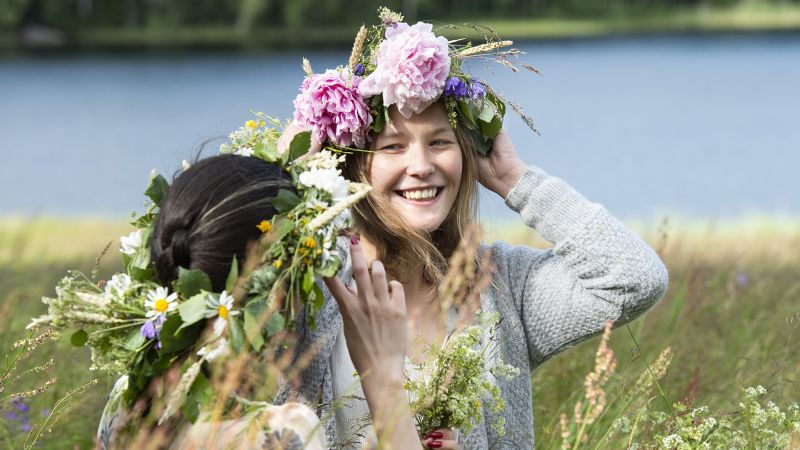
Another hallmark of the celebration is the “Little Frogs” dance, a playful routine that mimics the movements of frogs. This dance, often performed in stilettos, is a beloved part of Midsummer festivities, uniting generations in a shared ritual. The tradition of wearing flower wreaths, believed to symbolize prosperity and good luck, is also prevalent. These symbolic acts are rooted in the belief that the summer solstice is a magical time when the boundaries between the physical and spiritual worlds blur. As Alicia Vikander noted, “everybody between the ages of five and 95 in Sweden knows this dance and does it every year,” highlighting its universal appeal.
History and Symbolism
The roots of Midsummer in Sweden trace back to pre-Christian Norse paganism, where the solstice marked the sun’s peak power. Ancient Swedes viewed this day as a time when nature’s energies were strongest, and plants were believed to hold healing properties. This belief persists today, as young women still collect seven distinct wildflowers and place them under their pillows to dream of their future partners. The practice of walking barefoot on Midsummer morning or rolling in the grass naked, a way to absorb the sun’s energy, remains a popular tradition. These rituals, though simple, reflect a profound connection to the land and its ancient rhythms.
The festival’s symbolism extends beyond individual acts. Wearing a flower wreath in one’s hair is a common practice, representing fertility and protection. This custom, which dates back centuries, is also used in rituals like the Christmas bath to symbolize resilience against winter’s harshness. The combination of flowers, naked rituals, and communal dances creates a tapestry of cultural identity that resonates with both locals and visitors. These traditions, passed down through generations, continue to thrive in modern times, blending old-world charm with contemporary celebration.
Skansen, Stockholm’s open-air museum, offers an immersive experience of Sweden’s Midsummer heritage. As the world’s oldest such museum, it showcases traditional architecture and lifestyles, making it a cultural hub for those eager to learn about the festival. Midsummer celebrations at Skansen begin mid-morning with wreath-making and a bustling market, culminating in the ceremonial raising of the maypole. The event features folk music, games, and dances, including the “frog dance” that has become a staple of the festivities. Whether participating or observing, visitors are drawn into the magic of this age-old tradition, which remains a vital part of Swedish culture.
As the sun sets on Midsummer Eve, the festival’s energy lingers, a testament to its enduring legacy. The combination of flowers under pillows and naked rituals, along with other customs, creates a unique cultural tapestry that reflects Sweden’s deep connection to nature. These traditions, while rooted in the past, continue to evolve, ensuring that Midsummer remains a cherished and widely celebrated event. The festival’s ability to unite people across ages and backgrounds underscores its timeless appeal, making it a highlight of the Nordic summer.