World Cup’s First Round of 32 Sparks Debate on Tournament Evolution
Sandego.net – The World Cup has officially entered its Round of 32, marking a historic shift with 48 teams competing in the knockout phase. This new structure, introduced by FIFA, expands the tournament’s reach while raising questions about its impact on competitive quality. Fans and analysts are divided: some praise the inclusivity of having more teams in the early rounds, while others worry the expanded field may reduce the intensity of high-stakes matches. The first games of this phase have already set the stage for a contentious conversation about the future of the World Cup.
Expanding the Field: Pros and Cons
One of the most notable changes is the inclusion of more nations in the knockout rounds. For instance, Cape Verde, a team with limited World Cup experience, now faces Argentina in a match that could become a defining moment. The Round of 32 allows for greater diversity in the competition, giving emerging teams a chance to showcase their potential. However, the larger field has also led to concerns about the overall quality of play. Some games have been criticized for lacking the dramatic flair or technical mastery that fans associate with the World Cup’s traditional knockout stages.
Analysts argue that the Round of 32 introduces a new layer of unpredictability. Take the match between Canada and South Africa in Houston, Texas—while it ended with a late goal, the game itself felt less dynamic than expected. This has prompted debates about whether the format dilutes the tournament’s standards or simply highlights the challenges of fitting more teams into a condensed schedule. The balance between accessibility and excitement remains a key point of contention.
Stories of Resilience and Hype
Despite the criticisms, the Round of 32 has created opportunities for underdog narratives to flourish. Japan’s progress through the group stage, including a 3-0 victory over Scotland, has fueled hope for a deep run in the knockout phase. Their upcoming match against Brazil could be a pivotal moment for the team’s global reputation. Similarly, teams like Cameroon and Mexico are seen as potential dark horses, adding fresh excitement to the tournament. Yet, the hype around these stories has also been tempered by mixed results in early rounds.
For the United States, the Round of 32 represents a return to prominence. The team’s 1-0 win over Canada in their opening match demonstrated their ability to compete at the highest level. However, the lack of standout performances from other teams has left some wondering if the format will ultimately water down the World Cup’s legacy. As the tournament unfolds, the true test of the Round of 32’s success will lie in how it shapes the narrative of the competition.
Key Players and Tactical Adjustments
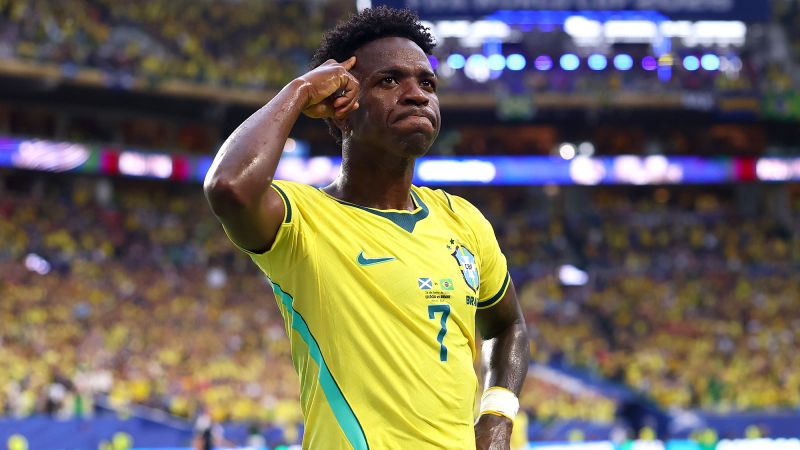
The performance of individual stars has become a focal point in the Round of 32. Real Madrid’s Vinícius Jr. has been a standout for Brazil, scoring four goals and providing an assist in the group stage. His ability to adapt under pressure may be crucial for Brazil’s campaign. Meanwhile, Matheus Cunha has also contributed significantly to the nation’s attacking play, showing that the expanded format could still allow for moments of brilliance. These players’ exploits highlight the potential for the Round of 32 to deliver thrilling moments, even if the overall matches have been less dramatic.
Manager Carlo Ancelotti’s tactical adjustments have helped Brazil regain momentum in the knockout phase. The team’s ability to gel and execute strategies has set them apart, signaling a renewed focus on attacking efficiency. This has sparked optimism among fans, even as the debate over the Round of 32’s impact continues. The key will be whether these performances can translate into a more compelling and intense tournament experience moving forward.