Vance’s Threat is the Latest Sign the US Could be Breaking with Israel
Sandego.net – For years, the US-Israeli alliance has been a cornerstone of American foreign policy, particularly in the Middle East. However, recent developments suggest a growing rift between the two nations, with Vice President JD Vance’s sharp criticism of Israel acting as a critical moment in this evolving dynamic. The Trump administration, which has long been seen as a staunch supporter of Israel, is now signaling a shift in its approach, raising concerns about the potential for a deeper estrangement.
A Fractured Alliance
The alliance between the United States and Israel, though robust, has always been subject to strain when it comes to military decisions. Recent tensions have escalated as the Trump administration grows increasingly wary of Israel’s actions, particularly its military campaign in Lebanon. This worry is amplified by the broader goal of securing a peace deal with Iran, which the administration views as essential to its foreign policy agenda. Israel, for its part, has been a key player in these negotiations, but its tactics may now be seen as counterproductive.
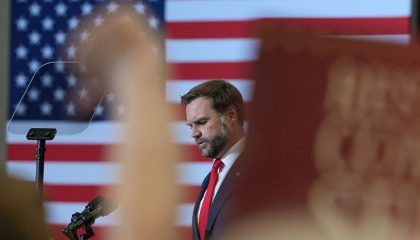
Thursday marked a turning point, with Vance delivering a pointed critique of Israel’s conduct. His remarks, which hinted at a potential warning to the Jewish state, have sparked discussions about the administration’s willingness to challenge its traditional ally. This move aligns with a pattern of growing unease within the Trump team, as it seeks to balance its support for Israel with the need to secure broader regional agreements.
Vance’s Remarks Highlight Concerns
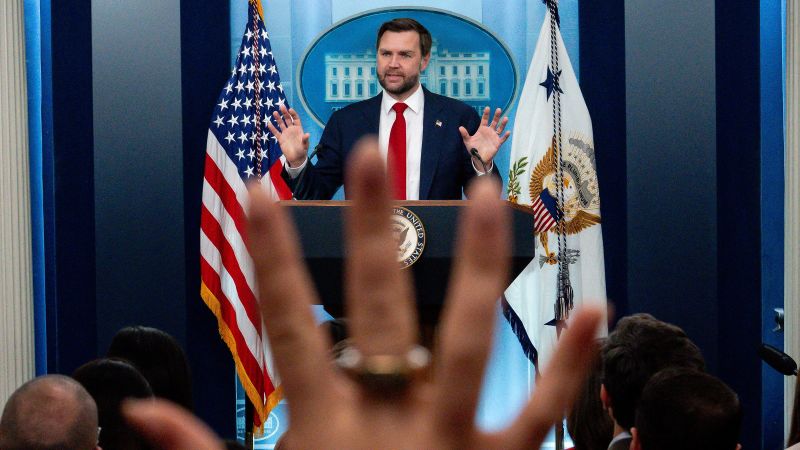
Vance’s critique focused on Israel’s global standing, noting how the country has become a target of international criticism. “Donald J. Trump is the only head of state in the entire world who is sympathetic to the nation of Israel at this moment in time,” he stated during a press briefing. “And he happens to be the head of state of the world’s superpower.” The quote underscores a central theme: Israel’s survival may hinge on its ability to maintain strong ties with the US, especially as the administration pressures it to adopt a more measured approach.
He further emphasized Israel’s reliance on American support, particularly its military equipment. “If I was in the cabinet of the Israeli government, I might not be attacking the only powerful ally that I have anywhere left in the entire world,” Vance said. This sentiment reflects a broader strategy to remind Israel of its dependence on US backing, a message that resonates with the administration’s fears that the nation might undermine its diplomatic efforts with Iran.
While Vance’s comments have dominated headlines, they are part of a larger narrative. The administration has been vocal in its disapproval of Israel’s operations, especially its attacks in Lebanon. These actions, critics argue, have threatened the fragile peace process and raised questions about Israel’s commitment to the negotiations. Vance’s repeated calls for caution echo a similar stance taken by Trump in his own public statements, suggesting a unified front within the Republican leadership.
Trump’s Historical Stance on Israel
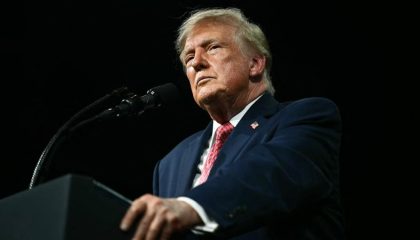
Trump’s relationship with Israel has always been defined by strong support, but his recent comments indicate a willingness to push back against Israeli actions. Earlier this month, he acknowledged to Israeli Prime Minister Benjamin Netanyahu that he had described Israel’s conduct in Lebanon as “crazy.” The president also warned Netanyahu directly, saying, “I said, ‘Bibi, you better be careful, or you will be on your own very soon.’”
This pattern of criticism continued as Trump took to social media to express his displeasure with an Israeli attack on Beirut. He argued that the strike “should not have happened,” despite the Hezbollah attack it was responding to. “The Hezbollah attack it was responding to was very small and meaningless,” Trump tweeted, highlighting his frustration with what he perceives as excessive retaliation.
At the G7 summit in France, Trump extended his critique, warning that Israel’s actions were “too much.” He pointed out that the country’s military operations often result in civilian casualties, stating, “You don’t have to knock down an apartment house every time you’re looking for somebody, because there are a lot of people in those apartment houses and they’re not all Hezbollah — that I can tell you.” These remarks, while harsh, reflect a broader concern about Israel’s heavy-handed approach and its impact on regional stability.
The Road Ahead
Despite the mounting pressure, the US and Israel are not yet at an impasse. Sources indicate that the two nations have agreed to renew their ceasefire with Hezbollah, a move that suggests cooperation remains possible. This decision, made after a deadly clash between Israeli forces and the Iran-backed militant group, highlights the delicate balance between conflict and diplomacy.
However, the administration’s stance reveals a strategic shift. While it seeks to de-escalate tensions with Iran, Israel continues to push for its own objectives, viewing the conflict as an opportunity to weaken its regional rival. This divergence in priorities has created a standoff, with the US aiming for a swift resolution and Israel determined to maximize its gains.
Analysts suggest that the current situation is a mix of genuine concern and political posturing. The administration may be using its criticisms of Israel to assert influence over the peace talks, while Israel’s leaders are responding with a combination of resistance and negotiation. Vance’s remarks, though significant, are part of a broader effort to keep Israel aligned with US interests.
The administration’s approach also reflects a desire to reduce the perceived threat from Iran. By pressuring Israel to scale back its military efforts, the US hopes to create a more favorable environment for talks. Yet, Israel’s leaders remain steadfast in their belief that the conflict is necessary to maintain their strategic advantage. This tension is expected to continue as both sides navigate the complexities of the Middle East’s shifting power dynamics.
While the possibility of a US-Israel break remains uncertain, the recent statements from Vance and Trump signal a more assertive stance from the American side. The administration’s willingness to challenge Israel’s actions, even as it remains committed to the alliance, points to a new phase in their relationship. Whether this will lead to a lasting fracture or a temporary adjustment remains to be seen, but the dialogue has clearly entered a more critical stage.
Ultimately, the outcome will depend on the administration’s ability to balance its diplomatic goals with its support for Israel. The Jewish state, despite its current challenges, still holds a unique position as a key ally of the United States. As the negotiations with Iran continue, the US-Israel dynamic will remain a focal point, shaping the future of Middle Eastern politics in unpredictable ways.