US Sanctions ICC President and Senior Prosecutor
Sandego.net – The US sanctions ICC president and senior prosecutor measures announced Tuesday mark the sharpest escalation yet in Washington’s campaign to dismantle the International Criminal Court. Secretary of State Marco Rubio named ICC President Tomoko Akane, a Japanese national, and senior trial lawyer Abdoulaye Seye, a Senegalese jurist, as targets of new financial restrictions, framing the action as a response to what the administration calls politicized judicial overreach aimed at American and Israeli officials.
Why Washington Moved
Rubio described the US sanctions on the ICC president and senior prosecutor as a direct answer to the court’s attempts to investigate, arrest, or prosecute officials from nations that never accepted its jurisdiction. In a written statement he said:
“These individuals have directly engaged in efforts by the ICC to investigate, arrest, detain, or prosecute officials whose government has not consented to ICC jurisdiction.”
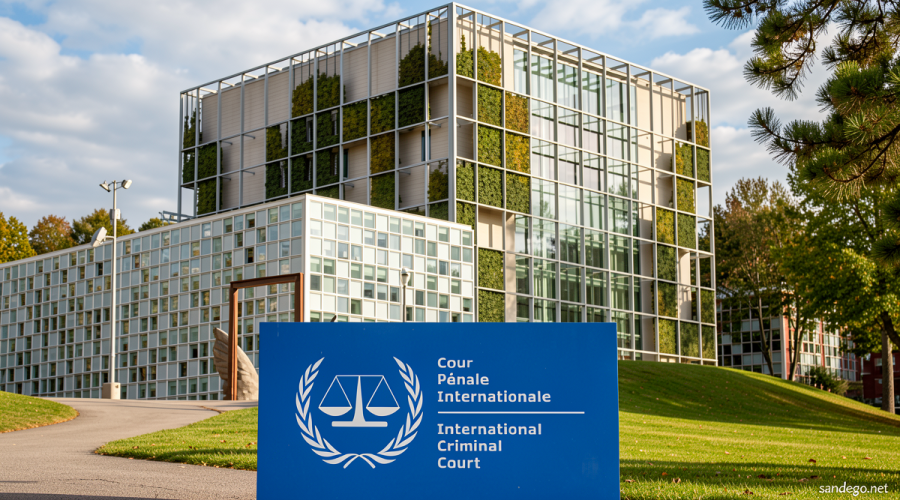
The ICC, based in The Hague, operates under the 1998 Rome Statute, which now counts 123 member states. The United States and Israel remain prominent non-members, a status that has long fueled Washington’s objections to the court’s reach. By sanctioning Akane and Seye, the administration signals that it treats the court’s investigative work against non-party nationals as state-level interference rather than routine judicial activity.
The Court’s Response and the Broader Campaign
The ICC pushed back quickly, calling the measures an attack on the independence of international justice. The court stated the sanctions “undermine the rule of law” and added:
“The Court remains undeterred and stands firmly behind its personnel and behind victims of unimaginable atrocities. The Court will continue to fully discharge its mandate with independence and impartiality, in full accordance with the Rome Statute and in the interest of victims of international crimes.”
Legal scholars note that sanctioning sitting judicial officers is rare in modern international practice and could complicate operations in member states where frozen assets or travel restrictions might apply. The ICC has previously faced funding shortfalls, and the financial implications of the US sanctions targeting the ICC president and senior prosecutor could ripple through its budget and day-to-day operations.
The friction dates to the Trump administration’s first term, when officials objected to the court’s 2018 preliminary examination into alleged war crimes by American forces in Afghanistan. That probe never produced charges but set the tone for years of diplomatic tension. The conflict sharpened dramatically in November 2024, when the ICC issued arrest warrants for several senior Israeli figures, including Prime Minister Benjamin Netanyahu, citing “reasonable grounds” for war crimes during operations in Gaza, specifically “starvation as a method of warfare” and “the crimes against humanity of murder, persecution, and other inhumane acts.”
Last month, Rubio outlined a State Department-led, “whole-of-government campaign” to dismantle the ICC, marking a decisive shift from passive objection to active institutional dismantling. He projected the coalition would grow:
“I expect more countries to join our campaign by ending their funding and participation in this politicized and unaccountable court. The ICC’s ability to target American nationals and those of other non-States Parties must end.”
He went further, stating:
“The Trump Administration stands ready to take additional measures, if necessary, to systematically dismantle the ICC until it is incapable of threatening American sovereignty.”
Frequently Asked Questions
What do the US sanctions on the ICC president and senior prosecutor actually restrict? The measures impose financial restrictions on Tomoko Akane and Abdoulaye Seye, potentially freezing their assets in US jurisdictions and limiting travel through US territory. Allies and partner nations asked to join the effort may face “increased scrutiny” if they decline.
Does the ICC have jurisdiction over American or Israeli officials? No. Both nations are non-party states to the Rome Statute. The court’s authority over their nationals is contested by Washington and has been the central point of dispute since the 2018 Afghanistan probe.
What happens next? Rubio indicated additional measures are possible and that the administration will continue pressing allied and partner nations to withdraw funding and participation from the court. The ICC has stated it will continue its mandate “with independence and impartiality” regardless of external pressure.