SEC Sues Former Tricolor Executives Over Alleged Multiyear Investor Fraud
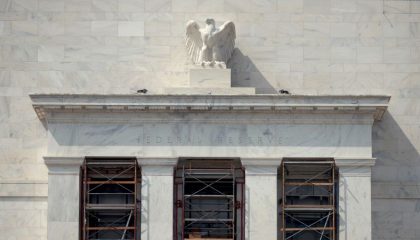
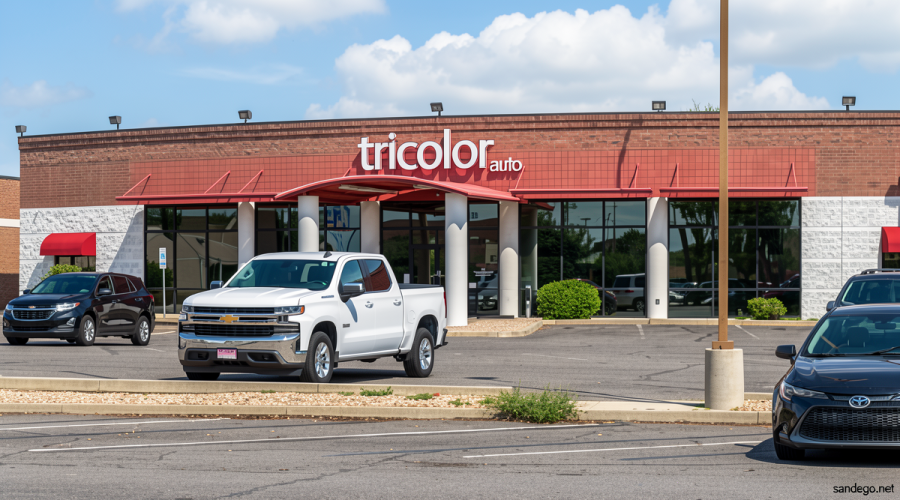
Sandego.net – The Securities and Exchange Commission on Tuesday filed civil charges accusing former leaders of Tricolor, a Texas-based subprime auto lender that collapsed with roughly $1.9 billion in liabilities, of systematically deceiving investors about the company’s true financial condition. The complaint marks the second major fraud action against the firm within months of its September 2025 bankruptcy filing, and it seeks to claw back profits the agency says were earned through misrepresentation.
A Business Built on Thin Credit Histories
Tricolor carved out a niche in the auto-finance market by extending loans and selling vehicles to buyers who lacked Social Security numbers or established credit files. That model attracted capital from private-credit investors seeking higher yields in a segment of the market that traditional banks largely avoided. Between at least 2020 and the company’s eventual insolvency, Tricolor raised close to $2 billion from those investors, according to the SEC’s filing.
The agency alleges that throughout that period, senior executives — including former chief executive Daniel Chu — presented a picture of a healthy, growing operation while privately aware that the company was running out of cash and could not reliably fund day-to-day operations. In the SEC’s telling, the gap between the external narrative and internal reality persisted for years.
“We allege that these defendants defrauded investors based on bogus collateral and violated the integrity of our private credit markets,” said David Woodcock, director of the SEC’s Division of Enforcement, in a statement accompanying the charges.
Collateral Manipulation and the Criminal Indictment
The civil action follows a criminal case that had already been quietly building. Approximately two months after Tricolor filed for bankruptcy, the U.S. attorney for the Southern District of New York unsealed an indictment alleging that Chu and fellow executives “repeatedly defrauded lenders.” A central mechanism described in that indictment was what prosecutors called “double-pledging collateral” — the practice of presenting the same pool of vehicles or receivables as security to more than one lender simultaneously, thereby inflating the apparent asset base that supported each round of borrowing.
The indictment further alleged that, as the company teetered into insolvency last summer, Chu instructed another executive, Jerome Kollar, to wire him a $6.25 million bonus package. Chu reportedly used a portion of those funds to acquire a multimillion-dollar residence in Beverly Hills, California. Within weeks of that transaction, Tricolor placed more than 1,000 employees on unpaid leave of absence and formally filed for bankruptcy protection.
Kollar has pleaded guilty to the fraud counts and is cooperating with investigators. Chu has not entered a plea.
Defense Pushes Back
Chu’s attorney, Matthew Schwartz, dismissed the SEC’s new filing as redundant.
“Many of those allegations are inaccurate, as will be clear when the real facts come out,” Schwartz said in a statement. “We look forward to a full and fair hearing in the courtroom.”
Schwartz characterized the civil complaint as a “rehash of allegations that have already been made,” signaling that the defense intends to contest the factual record rather than negotiate a settlement.
Market Fallout and Broader Implications
Tricolor’s implosion rippled well beyond its own balance sheet. JPMorgan Chase disclosed last year that it would absorb a $170 million charge tied to its exposure to the lender. In October, CEO Jamie Dimon told analysts that the episode had sharpened his attention to risk concentrations in private credit.
“I probably shouldn’t say this, but when you see one cockroach, there are probably more … Everyone should be forewarned on this,” Dimon said.
His remarks underscored a growing unease among institutional investors about the opacity of private-credit auto-finance vehicles, many of which report collateral valuations infrequently and rely on internal models rather than mark-to-market pricing. Tricolor’s case, if the SEC’s allegations hold up in litigation, would illustrate how quickly a subprime book can become unfinanceable when the underlying collateral turns out to be overstated or duplicated.
What Happens Next
The SEC’s complaint was filed in the Southern District of New York, the same court handling the criminal matter. The agency is seeking disgorgement of allegedly ill-gotten profits plus interest, along with other equitable remedies. Chu and the other named former executives have not yet responded to the civil filing beyond Schwartz’s public statement.
For the more than 1,000 former Tricolor employees who were furloughed without pay in the final weeks before bankruptcy, the outcome of both proceedings will determine whether any recovery funds become available to creditors — a category that includes lenders, suppliers, and, in some cases, workers owed final wages. The subprime auto-finance sector, meanwhile, will watch closely to see whether the charges prompt regulators to tighten reporting and collateral-verification standards for similar private-credit vehicles.
Related Reading
Frequently Asked Questions
What is SEC alleges executives fueled fraud at major?
SEC alleges executives fueled fraud at major is the main topic of this guide. The article explains the context, practical details, and next steps readers should understand.
Why does SEC alleges executives fueled fraud at major matter?
SEC alleges executives fueled fraud at major matters because readers are looking for a useful answer, not just a short summary. Good content should match search intent and help them decide what to do next.