Taxpayer-Funded Trump Video Ignites Debate Over Politics and Public Service
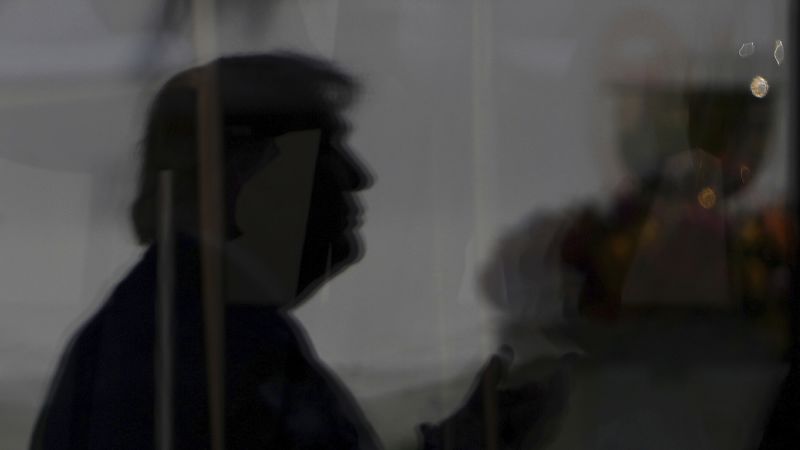
Sandego.net – A 30-second television spot featuring President Donald Trump has triggered fresh questions about the boundary between government communication and political promotion. The video, aired during NFL broadcasts on Sunday, presents Trump in stark black-and-white imagery while an echoing narration casts him as a leader confronting communists, the “deep state” and the “fake news” media.
Its most contentious line appears at the end: “Paid for by the U.S. Government.” That disclosure has intensified criticism from Democrats, watchdog groups and at least one Republican senator, who argue that public funds should not underwrite messaging that closely resembles campaign advertising only weeks before congressional elections.
A familiar Trump image, now backed by public funds
The presentation draws on an image Trump has long cultivated: an embattled, forceful figure standing against institutions and enemies he portrays as hostile to the country. In the video, he promises what is described as “a final battle” against the forces he names.
Similar imagery appeared in material Trump shared during his 2024 campaign. The difference now is that the new spot carries a government funding label, creating a dispute over whether the message is a permissible public service announcement or an overtly political use of taxpayer money.
The administration maintains that the advertisements serve a civic purpose. In a statement, the White House said the videos are intended to encourage Americans to value their country and recognize what is worth defending domestically, at the border and overseas.
“The ad is educational and unapologetically patriotic. We should be proud of our country.”
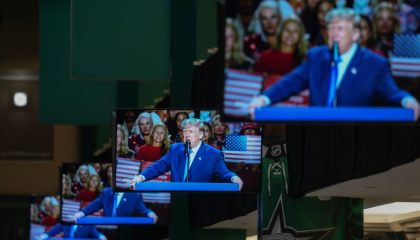
White House officials have also argued that the advertisements cannot be classified as political because Trump himself is not a candidate in the midterm elections. Yet Trump urged supporters at a Texas “midterm convention” to act as if his name were on the ballot.
Critics see a political message before the midterms
The timing is central to the backlash. The commercial ran about five weeks before congressional elections, when Republicans are concerned about possible losses in both the House and Senate. A dramatic portrayal of Trump battling powerful enemies could help energize the voters the GOP needs to turn out, even though the president is not formally running in those contests.
Democrats have objected to other recent federally funded videos as well. Public Citizen, a consumer advocacy organization, filed a complaint with government ethics watchdogs. Sen. John Kennedy, a Louisiana Republican, said on CBS News’ “Face the Nation” that public officials should not use public money for advertisements that promote themselves.
“No public official should spend public money on private ads for themselves.”
Supporters of the White House position can argue that the distinction is not always simple. Presidents have long used public messaging to rally the public during periods of national challenge, promote government programs or encourage civic participation. The administration has cited examples associated with George W. Bush, Barack Obama, Joe Biden, Woodrow Wilson and Franklin Roosevelt.
But opponents contend that the subject of a message matters as much as its format. Public-service campaigns during the Covid-19 pandemic, for example, sought to encourage vaccinations during a global health emergency. Wartime communications under Franklin Roosevelt addressed threats posed by Nazi Germany and Japanese imperialism. Critics question whether Trump’s depiction of the country under assault from Marxists, globalists and hostile media outlets presents a comparable public emergency.
Questions about government norms
The argument arrives amid wider concern over the relationship between political power and nonpartisan government institutions. Trump has repeatedly challenged traditions that separate official government business from electoral politics. His administration has also removed inspectors general, ethics officials and career civil servants, steps that have fueled skepticism among critics about the strength of internal oversight.
For Trump, confrontation with establishment institutions has often been politically valuable. By provoking criticism from media organizations, government officials and advocacy groups, he can reinforce his argument that entrenched forces are working against him and his supporters. That strategy helped define both of his successful presidential campaigns.
Some of the dispute may be about symbolism as much as law. Trump has access to a political fundraising operation worth hundreds of millions of dollars, meaning he has resources available for conventional political advertising. That fact makes the decision to use a government-funded message especially striking to critics, who say taxpayer dollars inevitably include payments from Americans who oppose the president’s agenda.
White House Communications Director Steven Cheung defended the campaign on X, calling the broadcasts “epic Public Service Announcements” and accusing the “Fake News” of spreading false claims about them.
Political backdrop adds to the controversy
The strongman imagery also appears at a challenging political moment for Trump. Polling has shown resistance to his approach on the economy, the war in Iran and his refusal to regulate artificial intelligence. As the possibility of lame-duck status approaches, the commercial’s portrayal of an all-powerful president stands in contrast to signs of weakening public support for parts of his agenda.
The dispute ultimately turns on a fundamental question for voters and oversight officials: when does a presidential message intended to promote patriotism become a taxpayer-financed political advertisement? The answer may shape not only the debate around this single video, but also expectations for how future administrations use the authority and communications machinery of the federal government.
Related Reading
Frequently Asked Questions
What is Trump stirs new storm by posing?
Trump stirs new storm by posing is the main topic of this guide. The article explains the context, practical details, and next steps readers should understand.
Why does Trump stirs new storm by posing matter?
Trump stirs new storm by posing matters because readers are looking for a useful answer, not just a short summary. Good content should match search intent and help them decide what to do next.