Trump Alleged China Took US Election Data Amid State Visit Plans
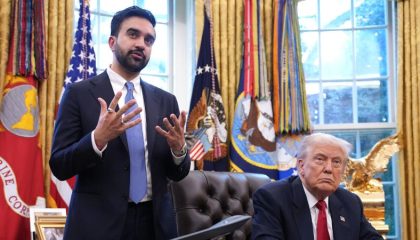
Sandego.net – Trump alleged China took US election data when the president addressed the nation Thursday, claiming Beijing had conducted an unprecedented breach of American electoral information. During his prime-time speech from the East Room, Trump declared that intelligence sources confirmed the People’s Republic of China had attempted to influence the 2020 presidential contest. According to some officials, the Chinese government sought to weaken Trump’s re-election prospects through what they characterized as the most significant electoral interference ever documented.
The president explained that Chinese leaders recognized his strategic approach to international relations, his tariff policies, and his military buildup as factors motivating their actions. While these accusations drew swift responses from Beijing, they were not entirely without precedent. Chinese officials quickly dismissed the claims as lacking factual foundation, with foreign ministry spokesperson Lin Jian emphasizing that China maintains a long-standing principle of non-interference in other nations’ internal affairs.
Diplomatic Relations Continue Unchanged
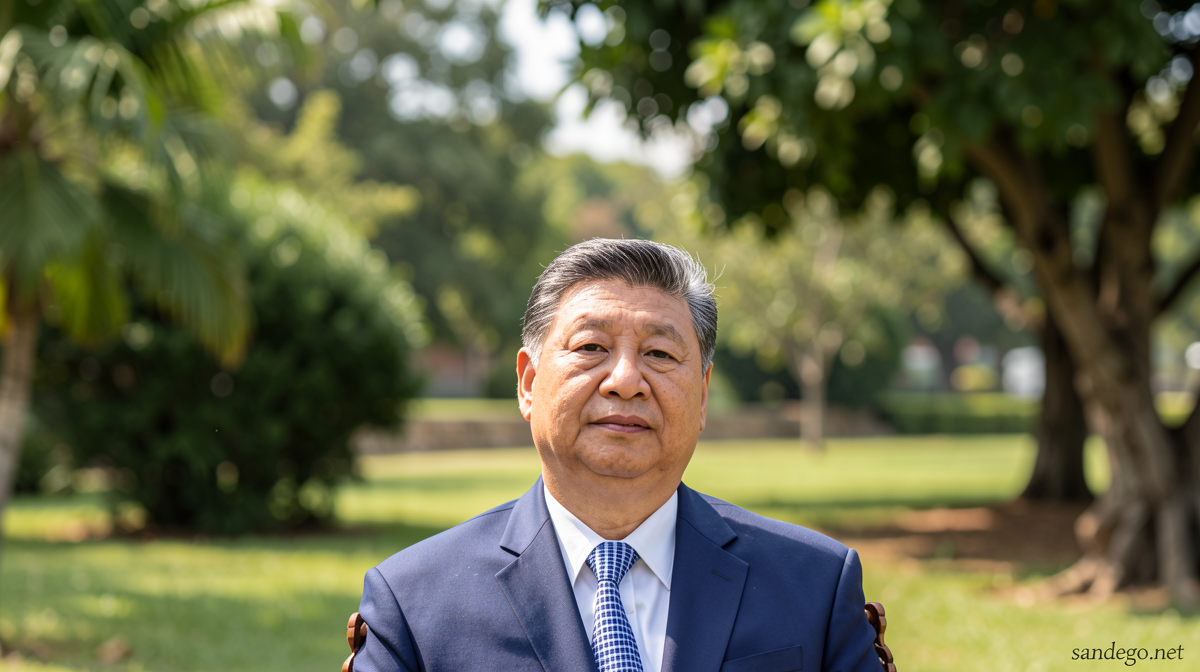
Despite the serious nature of Trump’s allegations, diplomatic preparations for Xi Jinping’s state visit to Washington proceeded without interruption. A White House representative confirmed within twenty-four hours that arrangements for the late September visit were advancing normally. When reporters asked whether China might face consequences for the alleged electoral meddling, officials offered no clear answer. The president himself appeared at a World Cup reception in New York, where he discussed potential American-Chinese sporting collaboration.
“We do China, United States. So you have a short flight in between games. The players would love that,” Trump stated, crediting FIFA president Gianni Infantino with the idea. Notably, he made no mention of his election-related accusations during this appearance.
Intelligence Investigations and Political Strategy
Trump’s approach to the allegations revealed a dual strategy combining domestic accountability with diplomatic restraint. He ordered four federal departments to investigate whether intelligence officials had concealed China-related information during his first presidency. The president directed these agencies to pursue criminal charges against those involved in what he called a cover-up. This action underscored his continued focus on the 2020 election outcome, which he lost to Joe Biden.
At the same time, Trump demonstrated reluctance to disrupt his relationship with Xi Jinping, whom he has developed personal connections with through multiple meetings. During last week’s NATO summit in Turkey, the president praised Xi for maintaining neutrality during the Iran conflict despite initial concerns about Chinese military support for Tehran. “I’m a big fan of President Xi,” Trump remarked, highlighting the personal dimension of their diplomatic relationship.
Chinese officials responded firmly to Trump’s accusations, with the foreign ministry urging Washington to reconsider its conduct and stop what it characterized as unwarranted criticism. Beijing emphasized that it had never interfered in American elections and had no interest in doing so. The ministry warned that such allegations could damage bilateral relations going forward.
Stable relations have remained a priority for Trump’s administration following a challenging period marked by tariff disputes and trade tensions. Xi welcomed Trump during an elaborate state visit to Beijing in May, and both leaders expect to reconvene in Washington toward the end of September. Trump has also indicated possible plans to attend the Asia-Pacific Economic Cooperation summit in Shenzhen during November, while Xi might travel to Miami for the Group of Twenty gathering that Trump is organizing.
Throughout his interactions with Xi over the past twelve months, Trump has consistently avoided publicly addressing Chinese efforts to penetrate American infrastructure, particularly concerning critical electoral information. This silence persists despite ongoing investigations by FBI cyber specialists into several sophisticated Chinese espionage operations targeting government and corporate secrets. The documents that emerged from these investigations suggest a pattern of activity that extends beyond electoral matters into broader economic and technological domains.