Trump Admin Pressures Law Enforcement for Crypto Bill
Sandego.net – The Trump administration is actively pressuring law enforcement groups to endorse a controversial cryptocurrency legislation known as the Clarity Act. According to sources familiar with the matter, White House officials have been making direct appeals to both current and former police and federal agency leaders. This coordinated campaign seeks to build political support for the digital currency framework despite significant opposition from critics concerned about potential exploitation by terrorist organizations, drug trafficking networks, and other criminal enterprises.
Legislative Challenges and Ethical Questions
While the administration pushes forward, the bill faces considerable resistance within the Senate. Several senators have voiced concerns, particularly about provisions allowing President Donald Trump to retain financial benefits from his cryptocurrency holdings during his presidency. This issue has emerged as a central point of debate as lawmakers evaluate the proposed regulatory framework.
Leading the advocacy effort are White House representatives, Republican congressional members, and acting Attorney General Todd Blanche. Together, they are addressing criticisms of various Clarity Act sections. Administration officials and cryptocurrency industry supporters argue that the legislation would deliver essential regulatory clarity for the digital currency sector while enabling better information sharing about illicit financial activities between industry participants and law enforcement agencies.
After requests from Democratic lawmakers, the White House agreed to additional ethical guidelines preventing government officials, including the president, from authorizing new digital currency issuances. However, some detractors continue to focus on a provision permitting Trump to profit from his existing cryptocurrency businesses, particularly the $TRUMP memecoin that launched shortly before his inauguration.
Loopholes and Enforcement Concerns
The proposed legislation does not explicitly ban these ongoing earnings streams. Additionally, several lawmakers have identified what they consider significant loopholes that would allow Trump to launch new business ventures without limitation. Critics also point out the lack of a strong enforcement mechanism if violations of existing restrictions occur.
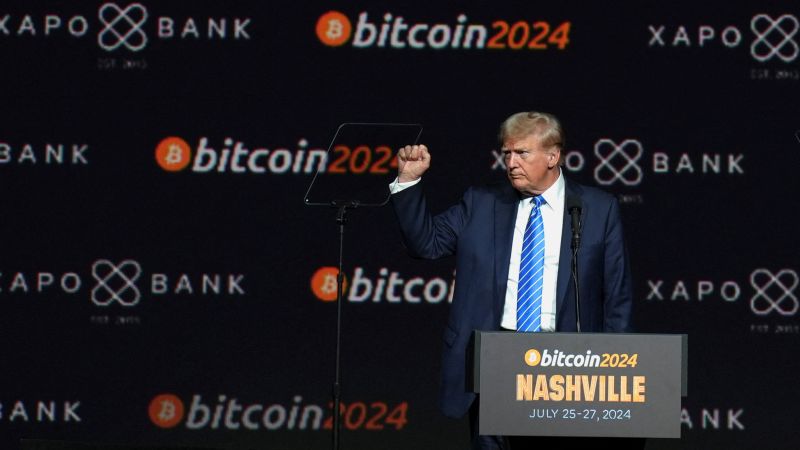
Optimistic observers believe the legislation could pass before the Senate’s August recess, though congressional leadership has warned that substantial challenges remain. Trump campaigned heavily on promises to make the United States the “crypto capital of the planet,” and since beginning his second term, his administration has shown strong backing for the cryptocurrency sector.
Among his initial actions, Trump signed an executive order designed to reduce regulatory barriers for the industry and establish a national cryptocurrency reserve. Within the Justice Department, Blanche moved to dismantle certain cryptocurrency-related criminal investigations and disbanded a specialized unit of prosecutors and investigators called the National Cryptocurrency Enforcement Team.
Law Enforcement Divided on the Issue
Not all law enforcement organizations have welcomed the legislation. The National District Attorneys Association and the International Association of Chiefs of Police have publicly stated concerns that the proposed law does not sufficiently ensure transparency and accountability within cryptocurrency companies. These safety-related apprehensions have made the path toward legislative approval more complex.
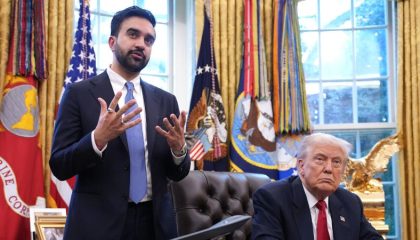
Patrick Witt, a Pentagon official serving as executive director of the President’s Council of Advisors for Digital Assets, has played a key role in recruiting FBI officials and other federal agency representatives to support the Clarity Act, according to one American official familiar with the discussions.
External organizations representing current and former law enforcement personnel have reported receiving intensive outreach efforts. “Everybody in the law enforcement got hammered to support that legislation,” stated an official affiliated with one law enforcement group who confirmed receiving numerous calls from Trump administration representatives and bill supporters.
When contacted by telephone, Witt declined to provide additional commentary beyond directing attention to law enforcement organizations that have publicly endorsed the legislation. These include the National Organization of Black Law Enforcement Executives and the National Fraternal Order of Police.
“The administration is making direct appeals to both current and former police and federal agency leaders to build political support for the digital currency framework.”
Frequently Asked Questions
What is the Clarity Act? The Clarity Act is a cryptocurrency legislation that aims to provide regulatory clarity for the digital currency sector while facilitating improved information exchange between industry participants and law enforcement agencies.
Why are some law enforcement groups concerned? Organizations like the National District Attorneys Association and the International Association of Chiefs of Police worry that the proposed law does not sufficiently ensure transparency and accountability within cryptocurrency companies.
What ethical guidelines were added? The White House agreed to additional ethical guidelines preventing government officials, including the president, from authorizing new digital currency issuances.
Who is Patrick Witt? Patrick Witt is a Pentagon official serving as executive director of the President’s Council of Advisors for Digital Assets, and has been instrumental in recruiting officials from the FBI and other federal agencies to join the support campaign.
What is the timeline for the legislation? Observers believe the legislation could pass before the Senate’s August recess, though congressional leadership has warned that substantial challenges remain.