These Maine Democrats Could Run for Senate After Platner Exit
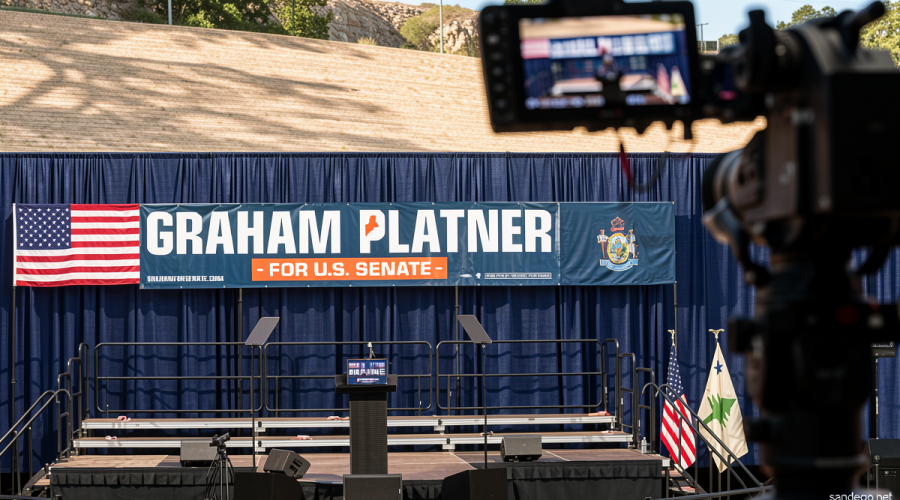
Sandego.net – These Maine Democrats could run to replace Graham Platner in what has become one of the most consequential political races in the state. The Maine Democratic Party is currently engaged in a frantic search for a new standard-bearer for the U.S. Senate race. With less than three weeks remaining on the clock, the party must identify a successor to Graham Platner, who announced on Wednesday that he is suspending his campaign. This decision follows intense pressure from within the party ranks. The primary objective remains unchanged: to challenge five-term Republican Senator Susan Collins in what is considered one of the most significant midterm battles for the Democrats.
Washington Democrats are watching the situation closely, viewing Maine as a critical seat in their broader effort to flip the Senate this November. However, a consensus has yet to form among the potential replacements. Anxiety is growing inside the party regarding how to elevate a top-tier nominee following Platner’s high-profile exit just 100 days before the election. These Maine Democrats could run, but the window for preparation is rapidly closing.
The Deadline and Convention Plan
Before Platner officially stepped back, the Maine Democratic Party approved a strategy on Wednesday to hold a nominating convention. This event would allow members to select a new nominee if Platner fully withdraws from the contest. The party has a strict deadline of July 27 to choose an alternative candidate. This timeline creates a “manic sprint” for anyone willing to step into the spotlight, requiring rapid fundraising and organizational building. Party officials are working around the clock to ensure the process moves smoothly despite the compressed schedule.
A Field of Prospective Candidates
Several prominent figures are emerging as potential contenders. Three of the most discussed names—Nirav Shah, Troy Jackson, and Shenna Bellows—are all eyeing the Senate seat immediately after their own unsuccessful runs for governor. Each brings a different political flavor to the table. Shah, a former state representative, brings legislative experience. Jackson offers a progressive populist message. Bellows, the state attorney general, provides legal expertise and statewide recognition.
These Maine Democrats could run, and each candidate brings unique strengths that could appeal to different segments of the electorate. The party must now determine which profile best positions them to defeat Collins in November.
Troy Jackson, a former state senator and fifth-generation logger, has already filed the necessary paperwork to officially explore a Senate run. Known as a progressive populist and a union member, Jackson previously switched from the Republican Party and voted for Bernie Sanders in 2016. He campaigned alongside Platner and Senator Collins during his time in the legislature, giving him valuable connections on both sides of the aisle.
Nirav Shah, who served in the Maine House of Representatives, has built a reputation as a pragmatic problem-solver. His experience in healthcare policy and education reform could resonate with voters concerned about these issues. Shah has maintained a low profile since his gubernatorial campaign but has been fielding calls from party leaders and potential donors.
Shenna Bellows, as Maine’s attorney general, has positioned herself as a defender of consumer rights and environmental protections. Her statewide name recognition and legal background make her an attractive option for party officials seeking a candidate with proven leadership credentials. Bellows has not yet made a formal announcement but has been actively meeting with key party stakeholders.
The race to replace Platner represents more than just filling a vacancy. It signals the direction the Maine Democratic Party will take in future elections. These Maine Democrats could run, and their selection will set the tone for the party’s messaging and strategy heading into the general election. With Collins facing potential challenges from multiple fronts, the Democrats are hopeful that finding the right candidate could finally break through in this traditionally competitive state.