Supreme Court Grants Texas Authority to Enforce Age Verification Law for Mobile Apps
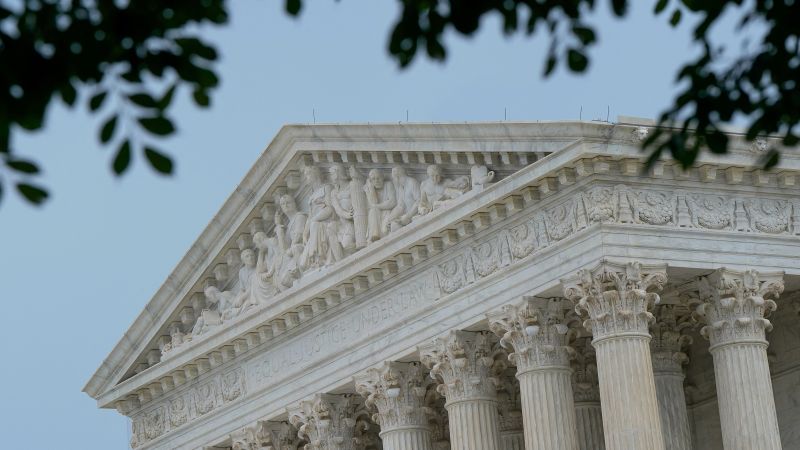
Sandego.net – On Monday, the U.S. Supreme Court permitted Texas to implement a new regulation requiring mobile app stores to confirm users’ ages and secure parental approval for minors installing applications on their devices. The decision came in response to an emergency appeal, with the court’s ruling allowing the law to proceed while further legal challenges unfold. This move marks another chapter in the ongoing debate over online privacy and youth protection, as Texas seeks to strengthen safeguards for its younger residents.
Legislative Context and Legal Battle
Enacted last year, Texas’ law emerged from growing concerns about the digital safety of minors. It mandates that app developers verify the age of users through a process involving photo identification or other forms of confirmation. Critics, including the Computer & Communications Industry Association (CCIA) and a coalition of student advocates, argued that the regulation infringes on free speech rights by imposing restrictions on how platforms manage user data and contractual agreements. The CCIA, representing tech giants like Apple and Google, emphasized that the law could limit minors’ access to a broad spectrum of content, from classic literature to modern entertainment.
“Minors who download apps from stores agree to contractual terms of service, which include whether their location is tracked, whether their privacy is protected, whether their phone data is sold, and whether they waive their right to sue,” stated Texas in its appeal to the Supreme Court.
The court’s decision to uphold the law without providing detailed reasoning has sparked debate about its constitutional implications. While the ruling allows Texas to enforce the requirement, it does not resolve the broader legal arguments surrounding the First Amendment. The absence of dissents in the emergency appeal suggests a consensus among the justices on the matter, though the case will continue to be litigated in lower courts.
Broader Implications for Online Regulation
Other states have also explored similar measures in recent years, reflecting a national trend toward tightening online oversight for young users. These laws aim to combat issues such as data misuse, exposure to inappropriate content, and the commercialization of children’s personal information. However, the Texas law stands out for its comprehensive scope, applying to every app available on the state’s platforms. This broad reach has raised questions about its impact on digital accessibility and the rights of both minors and app developers.
The current case is part of a larger legal landscape involving Texas’ efforts to regulate online activities. In a separate 2025 ruling, the Supreme Court upheld a Texas law requiring age verification for pornographic websites, a decision that drew criticism from the adult entertainment industry. At the time, Justice Clarence Thomas authored the majority opinion, with the three liberal justices dissenting. The new app verification law builds on this precedent, extending similar restrictions to the mobile application sector.
Path to Enforcement and Judicial Hurdles
A federal district court initially blocked the law’s enforcement in December, citing concerns about its constitutionality. The ruling was put on hold by a three-judge panel of the conservative 5th U.S. Circuit Court of Appeals in early June, enabling Texas to enforce the measure temporarily. The Supreme Court’s decision to defer to the 5th Circuit’s ruling reinforces the law’s validity for now, even as advocates continue to challenge its application.
Comparisons to previous cases highlight the evolving nature of digital regulation. Last summer, the Supreme Court allowed Mississippi to enforce a law compelling social media platforms to verify user ages and obtain parental consent for minors. In that instance, Justice Brett Kavanaugh, a member of the conservative bloc, noted in a brief concurrence that the Mississippi law “likely” violates the First Amendment, but he acknowledged that the affected companies had not yet “sufficiently demonstrated” the harm of a temporary order.
Texas’ app verification law, however, faces a more formidable legal test. Its sweeping provisions apply to all mobile applications, regardless of content type, which critics argue creates a blanket restriction on free expression. The CCIA warned that such measures could prevent minors from accessing educational resources, cultural content, and other digital tools essential to their development. For example, the law could block access to books by Ernest Hemingway, J.K. Rowling, or even subscriptions to National Geographic, all of which are considered valuable for young audiences.
Industry Concerns and Constitutional Challenges
Industry representatives have voiced apprehension over the potential consequences of the law. They argue that age verification processes may deter parents from allowing children to use apps, while also imposing additional administrative burdens on developers. The CCIA’s legal team highlighted that the law’s provisions could effectively “bar young people from accessing a wide range of content,” thereby undermining the free flow of digital speech.
Meanwhile, proponents of the law maintain that it addresses critical gaps in online accountability. By requiring age verification, Texas aims to ensure that minors are not exposed to harmful content without parental oversight. This aligns with the state’s broader strategy to protect children in the digital age, as lawmakers continue to push for stricter regulations on technology companies.
Legacy of Texas’ Digital Regulation
Texas’ approach to digital regulation has become a model for other states. The recent app verification law, combined with its earlier success in upholding the pornography age verification rule, demonstrates the state’s commitment to safeguarding youth online. Yet, these measures also underscore the tension between parental control and individual rights, a theme central to the ongoing legal discourse.
As the law moves forward, its long-term impact will depend on how it is implemented and whether it sparks further challenges. The Supreme Court’s emergency decision provides temporary clarity, but the litigation process is expected to continue, with arguments likely focusing on the balance between free speech and child protection. For now, Texas remains in the driver’s seat, setting a precedent that could influence future debates over digital privacy and regulation.
The case also raises questions about the role of the Supreme Court in shaping online policy. While the justices have not yet provided detailed reasoning for their decision, the pattern of allowing state laws to take effect in emergency situations suggests a pragmatic approach to resolving disputes. This could have significant implications for how other states navigate similar legal battles in the coming months.
Ultimately, the ruling highlights the growing importance of age verification in the digital era. As technology continues to integrate into daily life, states like Texas are increasingly tasked with balancing innovation, privacy, and the well-being of younger users. The Supreme Court’s decision to support Texas’ law may pave the way for more stringent regulations, but it also leaves room for further legal scrutiny and refinement in the years ahead.