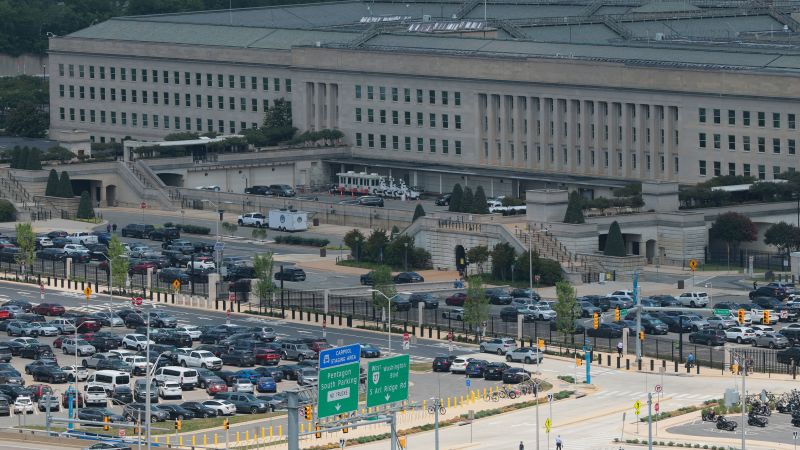
Pentagon Lockdown and Partial Evacuation Triggered by Sensor Misfire
Sandego.net – On June 11, 2026, the Pentagon underwent a lockdown and partial evacuation after a hazardous materials sensor misfired, sources reported. The incident began when a detection system, intended to monitor for biological threats, signaled a possible presence of anthrax spores. This prompted immediate security actions, leading to the temporary displacement of staff in key sections of the building. While the cause of the alarm remains under review, officials confirmed it was a technical error, not an actual threat.
False Alarm and Emergency Protocols in Action
The false alarm resulted in a widespread lockdown, affecting multiple floors and corridors within the complex. Employees and visitors were initially directed to shelter in place as a precautionary measure. By midday, certain areas were sealed off, while others were evacuated, creating a ripple effect across the facility. A Pentagon spokesperson later clarified that the alert was triggered by an “air quality anomaly,” emphasizing the system’s role in detecting potential biological agents.
“The Department initiated standard protection procedures, including a shelter-in-place order for the affected zones,” the official stated. Security personnel from various agencies were quickly deployed to ensure staff safety, with hazmat teams conducting thorough checks of the premises. The situation, though resolved within hours, highlighted the importance of rapid response mechanisms in high-security environments, even when the threat is not real.
Technical Flaws and System Reliability
Investigations revealed the sensor malfunction was the root cause of the lockdown. The system, which continuously monitors air for biological agents, produced a false positive, leading to the partial evacuation. “The alert was based on a technical error in the hazardous materials detection system,” one source explained. Such incidents underscore the need for regular maintenance and calibration of surveillance equipment to prevent unnecessary disruptions.
Jake Jordan, a biosecurity expert at the Nuclear Threat Initiative, noted that false alarms are common in advanced detection systems. “These systems are designed to flag potential threats, but they can sometimes misinterpret data,” he said. He added that while the Pentagon’s actions were appropriate, the delay in confirming the threat highlights the trade-off between vigilance and operational efficiency in critical facilities.
Operational Impact and Staff Response
The partial evacuation primarily impacted floors two through five, which are located in the upper sections of the Pentagon. These areas included offices for the Navy’s public affairs team and the Secretary of the Army’s department. Staff members were seen donning gas masks and protective gear, reflecting the gravity of the situation. The Arlington County Fire Department collaborated with the Pentagon’s hazmat team to address the alert, with Capt. Jamie Jill confirming the department’s involvement in the response.
“Our hazardous materials unit was on-site to assess the situation,” the fire department noted in a social media update. The incident, though short-lived, disrupted daily operations and served as a reminder of the potential for technology to trigger high-level security actions. As the investigation continues, officials are reviewing protocols to prevent similar events in the future.
“This incident demonstrates the necessity of swift, coordinated responses even in the absence of an actual threat,” said Hayley Severance, a former defense security advisor. “It’s a testament to how well-prepared the team was to act quickly.”
Experts are also examining the broader implications of such false alarms. While the Pentagon’s security systems are robust, the incident raises questions about their reliability. Severance pointed out that false positives are a known challenge in biological threat detection, but the proactive measures taken during the lockdown reinforced the facility’s readiness to handle emergencies. The Pentagon’s ability to swiftly address the situation, despite the initial confusion, has been praised as a model for other high-security installations.