Inside the world of Gen Z: Political Influencers and the Money
Sandego.net – Inside the world of Gen Z political engagement, a new era is unfolding. According to researchers at Tufts University’s Center for Information and Research on Civic Learning and Engagement, nearly 50 million members of Generation Z will be eligible to cast ballots this November. This demographic, defined as individuals born between 1997 and 2012, represents a crucial voting bloc that both major political parties are desperately trying to capture. Inside the world of Gen Z, the landscape of youth political engagement has transformed dramatically, particularly following the significant inroads that President Donald Trump and Republican candidates made with younger voters during the 2024 election cycle through their mastery of nontraditional media platforms.
From Bedroom Hobbyist to Political Powerhouse
Maria Comstock’s journey exemplifies this rapid transformation. The 24-year-old political influencer didn’t own a mobile phone until reaching adulthood at age 18. Within twelve months of acquiring her first device, she had amassed one million followers across social media platforms. Her “Point of View” format videos addressing dating dynamics, political issues, and workplace experiences resonated strongly with audiences and eventually attracted attention from political campaigns seeking relatable voices. Inside the world of Gen Z, such stories are becoming increasingly common.
What initially emerged as a pastime during the pandemic has evolved into a demanding career. Comstock now leverages her digital expertise to support Democratic candidates and causes. She describes the current environment as unprecedented, noting that political work involving influencers remains difficult to categorize legally and financially within traditional campaign payment systems.
The Messy Reality of Influencer Politics
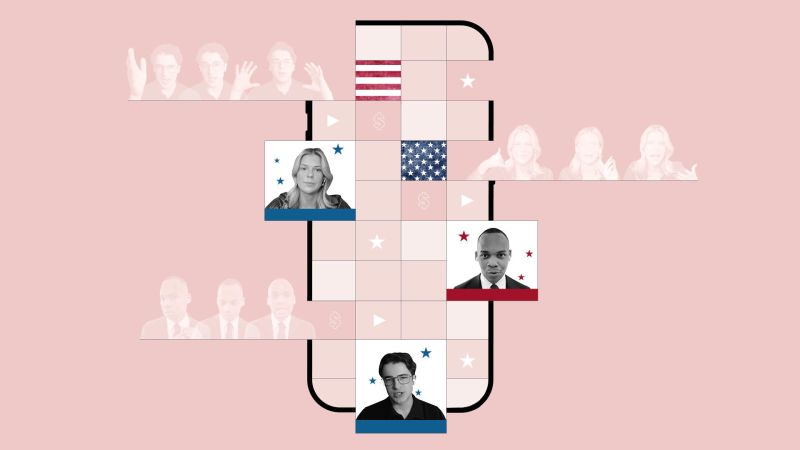
Professional political influencing requires navigating an industry with minimal regulatory oversight, numerous payment models, and constantly shifting political alliances. Nearly a dozen influencers who shared their experiences with CNN highlighted that maintaining authenticity remains paramount, even as disclosure requirements for sponsored content create ongoing debate. Read more about Gen Z political influencers.
Not every political influencer treats content creation as their primary occupation. Some supplement conventional careers with influencer income, while others maintain it purely as a recreational pursuit. However, for dedicated creators like Harry Sisson, the work has become a full-time commitment spanning six years since he began posting election-related content online.
Stories from the Front Lines
Sisson, now 23 years old, wasn’t even legally old enough to vote when he first started creating videos encouraging Democratic support for then-President Joe Biden. He recalls spending the pandemic lockdown in his basement, scrolling through social media and observing other young people discussing politics. Seeing figures like Biden and Trump being discussed online, he thought he could contribute his own perspective as well.
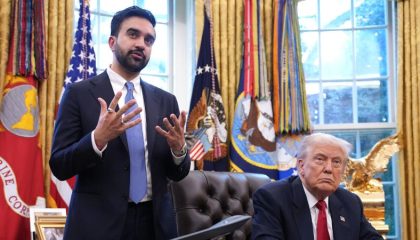
Today, Sisson commands two million TikTok followers and receives attention from top Democratic strategists. His influence extends beyond party lines, as evidenced when Trump posted an artificial intelligence-generated video depicting himself dumping sewage from an aircraft onto Sisson and other demonstrators at a No Kings rally. Sisson’s daily routine now involves immediately checking news sources to identify content opportunities across his YouTube channel, TikTok presence, and Instagram account.
“Inside the world of Gen Z, political influence isn’t just about who you know—it’s about who watches you.” — Harry Sisson
His management company handles appearance vetting, and his personal life receives considerable public scrutiny. In March 2025, the UK broadcaster Piers Morgan questioned Sisson regarding allegations that he had solicited multiple women for sexting conversations. Sisson issued an apology for his conduct while maintaining that he had done nothing wrong.
Lessons from an Early Pioneer
CJ Pearson, a prominent conservative influencer, represents an earlier generation of political content creators. He began posting political commentary in 2015 at just twelve years old after receiving a camcorder as a Christmas gift. Despite having never created a YouTube video previously, Pearson recorded himself enthusiastically discussing his support for Rudy Giuliani while criticizing President Barack Obama. The video achieved two million views within a single day.
Industry veterans emphasize that allowing creators creative freedom proves essential for success. Pearson describes this approach as letting creators “cook” without excessive interference from campaigns or organizations. Inside the world of Gen Z, this freedom has become a defining characteristic of successful political messaging.
The Future of Political Influence
Jess Rauchberg, a Seton Hall University professor specializing in digital culture, observes that influencers have become permanent fixtures in political discourse. She notes that regardless of public opinion, these content creators play substantial roles in helping audiences understand political developments. Inside the world of Gen Z, the relationship between traditional media and digital creators continues to evolve, creating new opportunities and challenges for political communication.
Frequently Asked Questions
Who are Gen Z political influencers?
Gen Z political influencers are content creators born between 1997 and 2012 who engage audiences on political topics through platforms like TikTok, YouTube, and Instagram. They range from full-time political commentators to part-time creators who supplement other careers.
How much do Gen Z political influencers earn?
Earnings vary widely. Some influencers supplement conventional careers with influencer income, while others like Harry Sisson have made it a full-time commitment. Payment models include sponsorships, campaign partnerships, and platform monetization.
Why are Gen Z voters important in politics?
Nearly 50 million Gen Z members will be eligible to vote, making them a crucial demographic. Both major parties are investing heavily in reaching this audience through nontraditional media platforms where Gen Z spends most of their time.
What challenges do Gen Z political influencers face?
Key challenges include maintaining authenticity, navigating minimal regulatory oversight, managing personal life scrutiny, and adapting to constantly shifting political alliances and disclosure requirements.