Facing Stonewalling From Russia, Trump Seeks Plague Answers
Sandego.net – Facing stonewalling from Russia Trump administration officials are seeking answers after the death of a 28-year-old laboratory technician at a Siberian institute that studies plague and other dangerous diseases. With Russian authorities offering limited details, US officials are trying to determine whether the case presents a wider public health concern.
The death occurred at the Irkutsk Research Anti-Plague Institute of Siberia, whose research includes plague, cholera, anthrax and brucellosis. US officials do not yet know what pathogen may have been involved or whether additional response measures could be necessary.
US officials press Russia for details
The United States began contacting the Russian government as early as last Friday. State Department health specialists have communicated with Russia’s Foreign Ministry, while the administration considers a formal diplomatic démarche seeking more complete information.
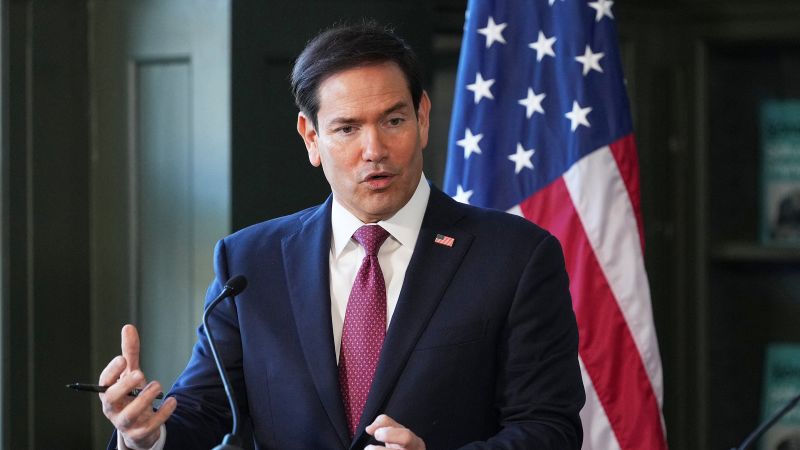
Secretary of State Marco Rubio said Russia should provide greater transparency about the incident.
“It’s incumbent upon Russia to obviously share more information with the world,” Rubio said Tuesday.
“Maybe it’s bigger than we thought. We don’t know, but I think it would be reckless at this moment, given the limited information we still have, to speculate.”
Facing stonewalling from Russia Trump officials have emphasized that they are monitoring the situation without drawing conclusions unsupported by confirmed evidence. They are also using diplomatic outreach and intelligence collection to clarify what happened.
Plague concerns and laboratory questions
One key question is whether the technician died from pneumonic plague or another infectious disease. Pneumonic plague affects the lungs and can spread through respiratory droplets in certain circumstances, but it can be treated with antibiotics when identified quickly.
Officials are also seeking to learn whether any pathogen involved had been altered through gain-of-function work, research that can change an organism’s characteristics. That information could affect how the United States and other countries assess any potential threat.
The United States has not imposed new travel restrictions specifically tied to the laboratory death. Existing US guidance already advises Americans against travel to Russia because of concerns including wrongful detention and the war in Ukraine.
Russian quarantine measures draw attention
Russian actions surrounding the case have heightened concern. The hospital where the technician received treatment was placed under quarantine, according to the mayor of the Shelekhovsky district. A regional news outlet reported that nearly 200 people were being monitored.
Those steps do not establish the cause of death, but they have increased attention within the US government. Facing stonewalling from Russia Trump administration officials remain focused on separating verified facts from unanswered questions.
“We don’t know a lot right now about what actually happened,” one US official said. “But one thing most of us feel certain about: The Russians are going to act like the Chinese did with Covid. They won’t be forthcoming.”
President Donald Trump called the situation a “big problem” for Russia and said the United States might need to provide unspecified assistance. He also said he had a call planned with Russian leader Vladimir Putin “very soon” and expected US agencies to have more information to share “probably tomorrow.”
Frequently Asked Questions
Has the United States confirmed that this was pneumonic plague?
No. US officials are still trying to determine the cause of the technician’s death and have not confirmed that pneumonic plague was involved.
Are there new US travel restrictions because of this case?
No new restrictions have been announced specifically in response to the laboratory death. Existing US travel guidance already advises Americans against travel to Russia.
Why are officials concerned about limited information?
Officials need reliable details about the pathogen, possible exposure and containment measures to assess whether there is any broader health risk. Russian authorities have provided limited clarity so far.